
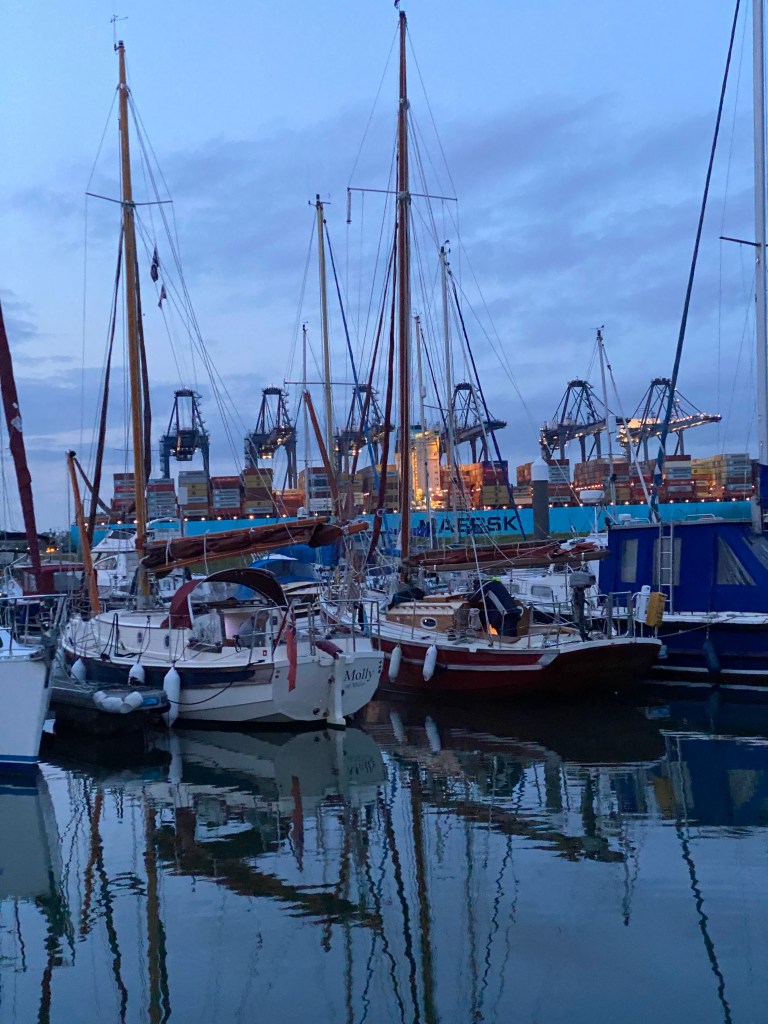
Following the OGA60 party and the East Coast cruise, Molly found herself in Chatham Martime Marina, on its heritage pontoon and with almost 200 miles to travel home. I had allowed 6 days for this passage, but circumstances intervened.
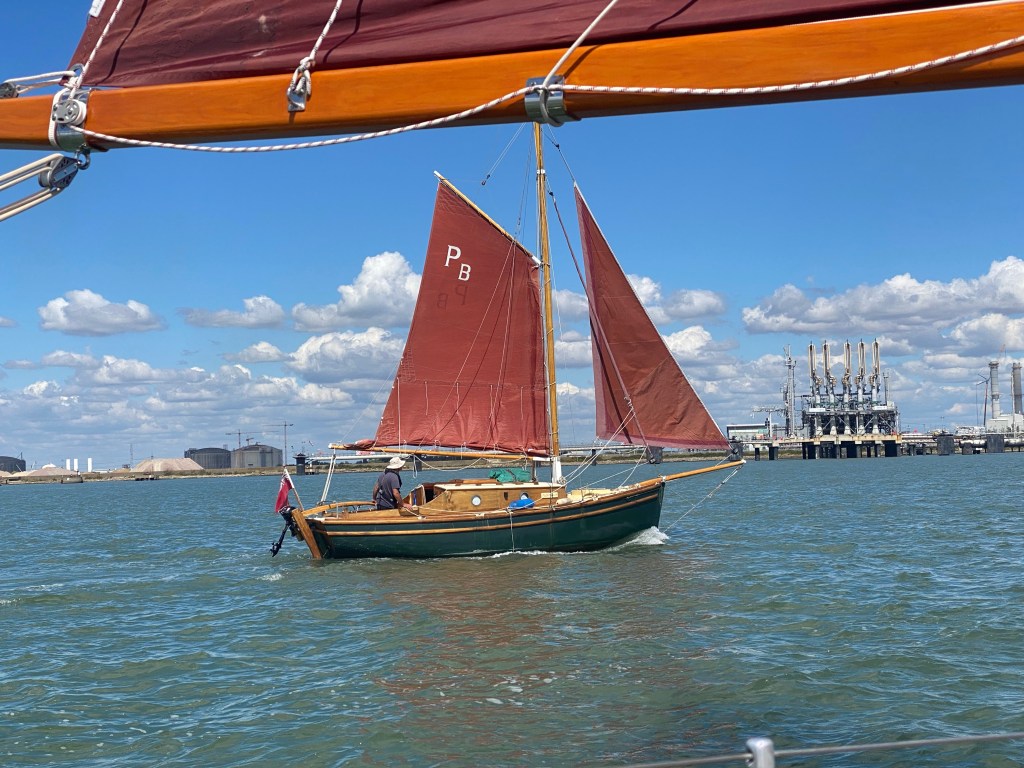
We had a sense that all was not well when we locked in to Chatham. We were given conflicting instructions by lock control, the lock was not operated efficiently (ie not full and boats waiting) and on one cycle, both sets of doors were opened at once, allowing a torrent to flow out of the lagoon.
The lock gates broke down on Friday, but we only learned of this when we tried to leave on Saturday. A sorry series of events ensued, during which the marina staff did not cover themselves in glory or demonstrate any particular urgency. We ended up contacting MDL’s head office, which seemed to stimulate events a little and, to cut a long story short, after four days trapped in Chatham marina, the lock gates were fixed and the fleet was able to escape on Tuesday. Suffice it to say that I will avoid MDL marinas in future.
The train of depressions, which the jet stream has been bowling us, had come to an end and we left the Medway with very welcome hot, sunny weather and light winds (ie finally, we started having August weather!). The forecast was for declining winds and I only had three days to compete Molly’s passage home to Gosport. I had been joined for this section by John Frampton, a fellow Cornish Crabber owner (Shrimper 21 to be precise).

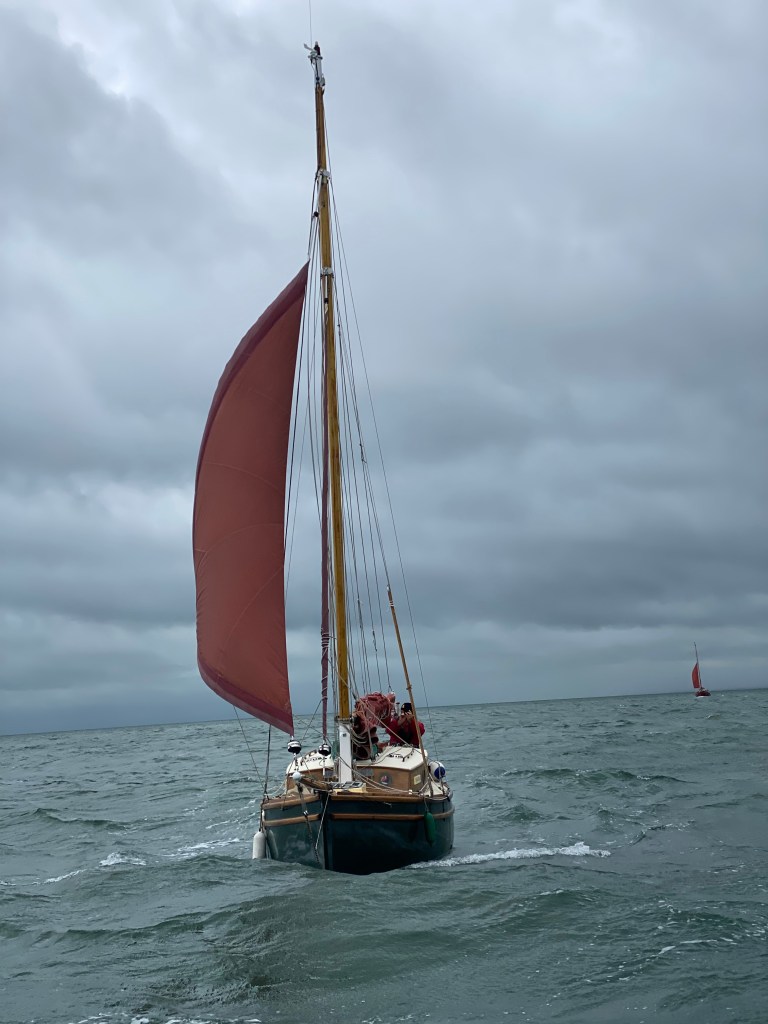
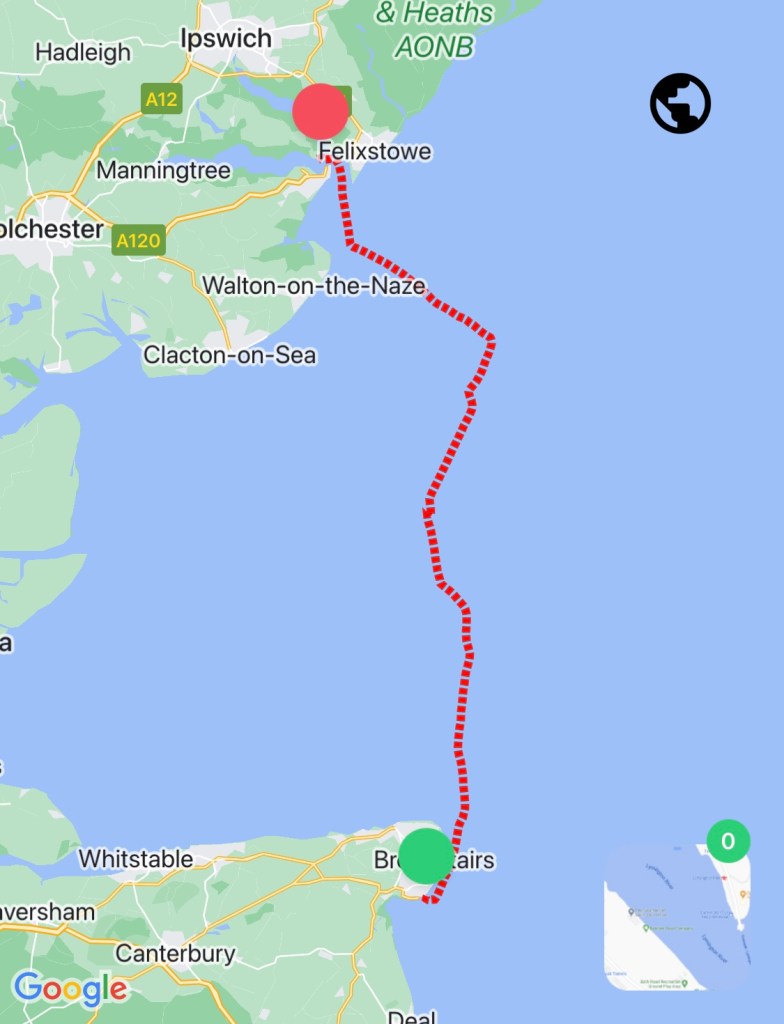
Before we could travel West, we needed first to travel East. As we left the Medway, we were treated to flat seas and a steady southwesterly. John and I opted, rather than hugging the shore, to enjoy a good sail and visit some of the landmarks in the estuary.
We had a fair tide to carry us East, so we made for the main Princes Channel, taking in our first point of interest, which was the Red Sand Forts. These are steel structures were observation posts on legs attached to sunken barges, dating from WWII. They are one of a number of “Maunsell forts” (after their designer) whose original purpose was to provide warning of incoming aircraft and deter mine laying in the important Thames estuary. They continued to operate post-war and since their decommissioning have been sometime pirate radio stations.
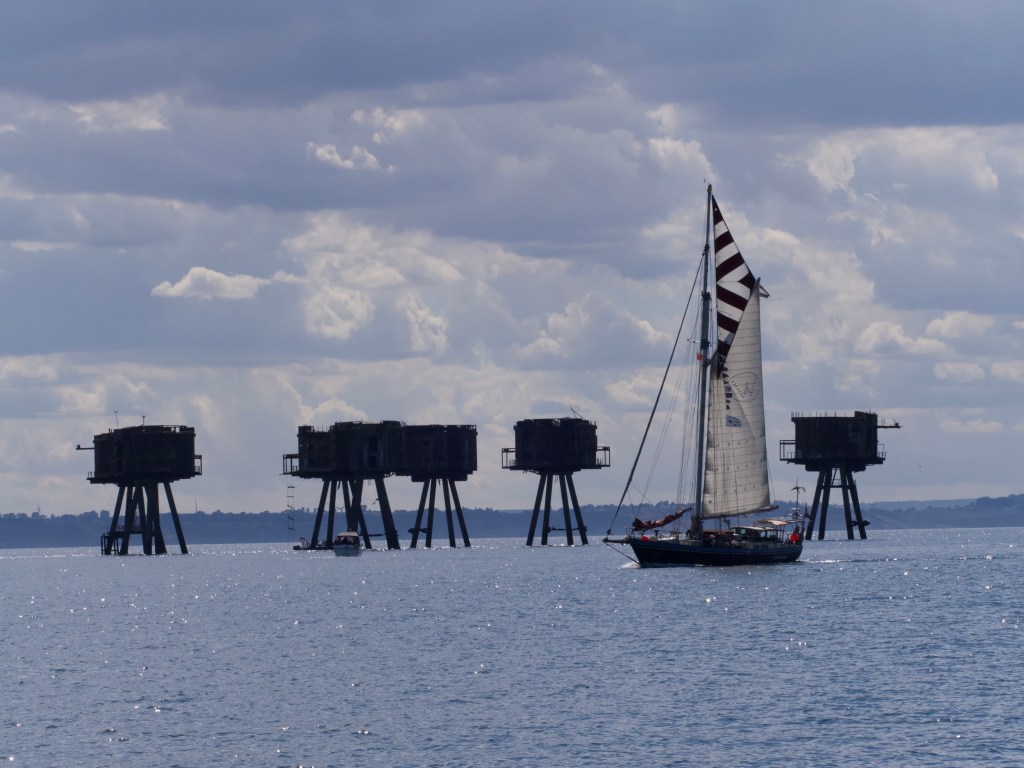
Nowadays they make a striking but rather eerie and forlorn sight and appear to be deteriorating rapidly. There are moves to preserve them and I hope it comes to pass, as they are a unusual historical feature. Evidently they are a tourist attraction, as we could see visiting motor boats (in addition to yachts sailing close by).

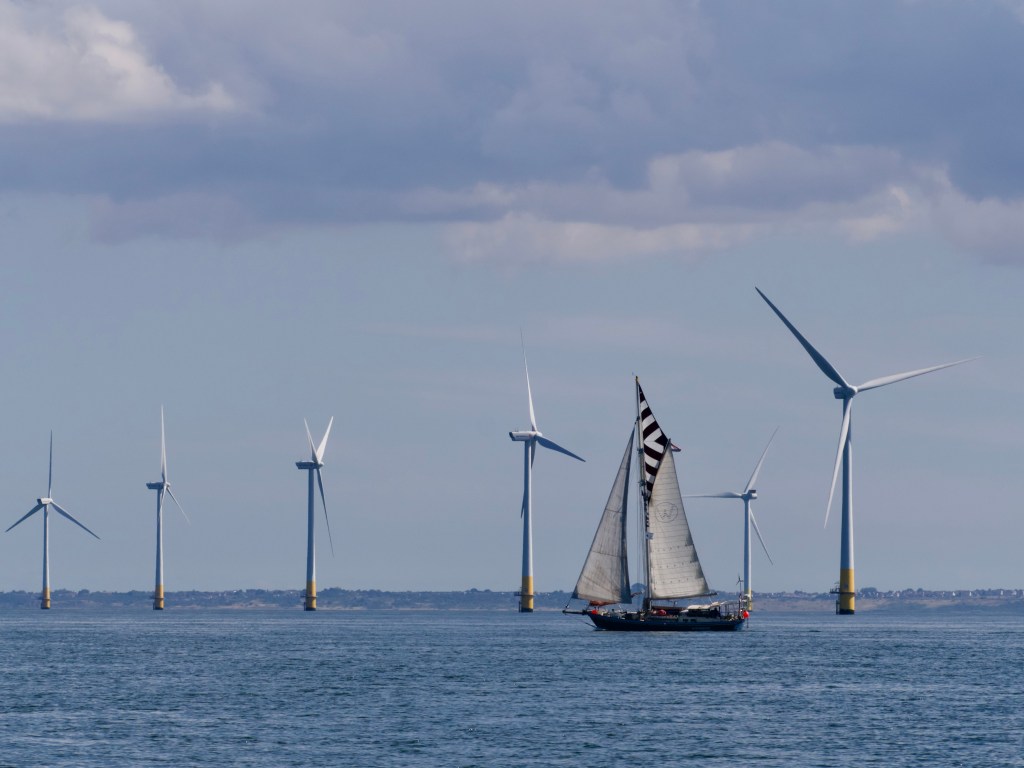
During our tacks down the Thames estuary, we saw another set of Maunsell forts on the intruigingly named Shivering Sands, as well as skimming the edge of yet another array of wind turbines at Kentish Flats.
We passed along the outside of Margate sands at low tide, and could see groups of basking seals, though we dared not approach too closely in these very shallow waters.

Nearing North Foreland, as we lost the shelter of the land, the wind strength increased and the sea grew more choppy. Having passed this iconic corner and we were westbound again and, as John pointed out, we had the whole sea area from North Foreland to Selsey Bill to cover.
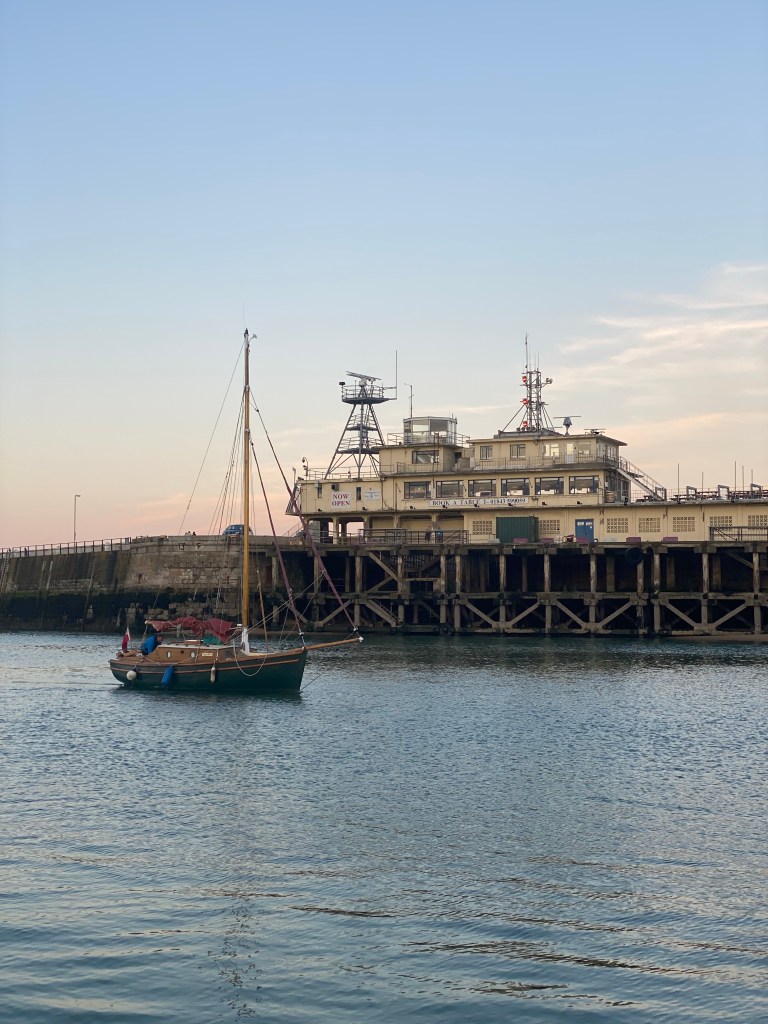
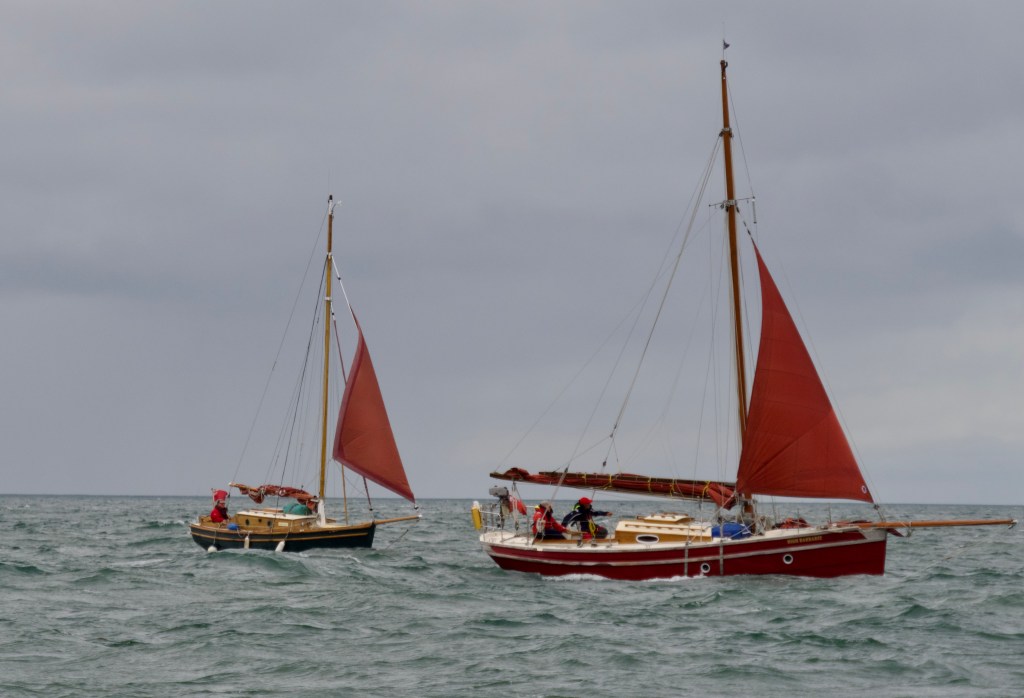
The wind was right on the nose, so we motored on main only into Ramsgate. We were followed by Puffin Bach and all of us rapidly decamped into town for some lovely fresh fish and chips, followed by a pint in the very friendly bar of Royal Temple Yacht Club.




 Meandering Molly