Tag: Solent

Poole but not Weymouth

Yarmouth gaffers

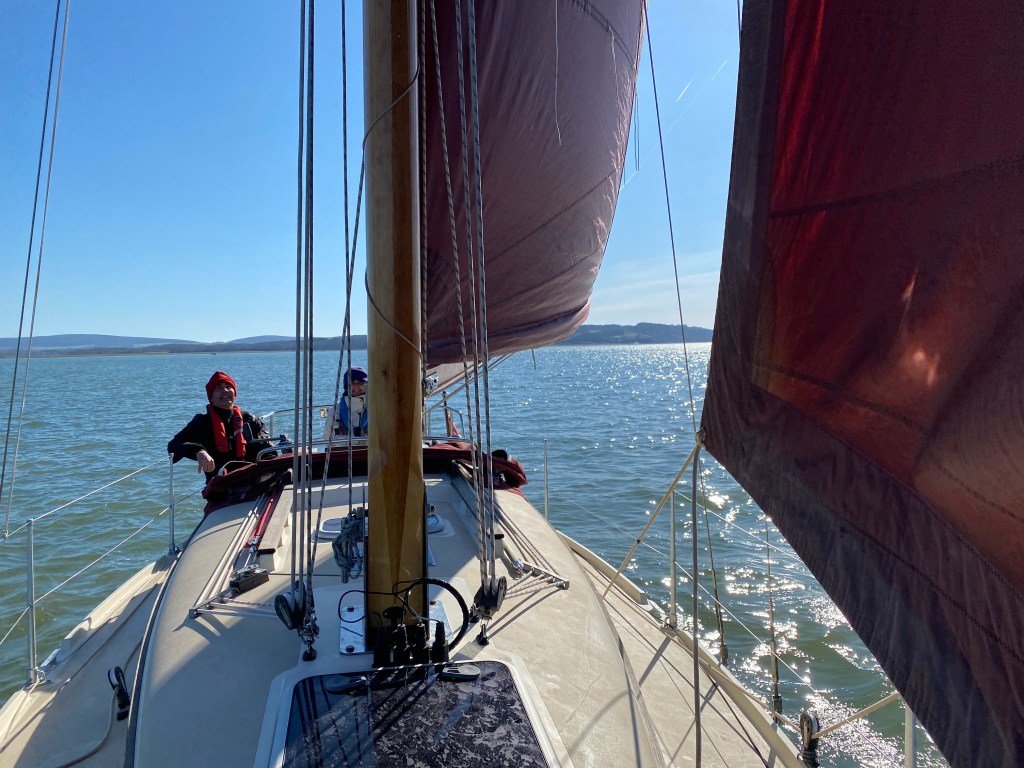
Our plan after the Yarmouth regatta was to sail West to Poole, Weymouth and then hopefully Dartmouth. Niki joined me aboard, with Alice and her friend Lauren, hot-foot from their success at the regional volleyball finals. The wind had been in the East or NE for the past week and was forecast to stay that way for the coming week. The fresh or strong wind made for rapid passage westward, but with no letup forecast, did not bode well for the return journey.
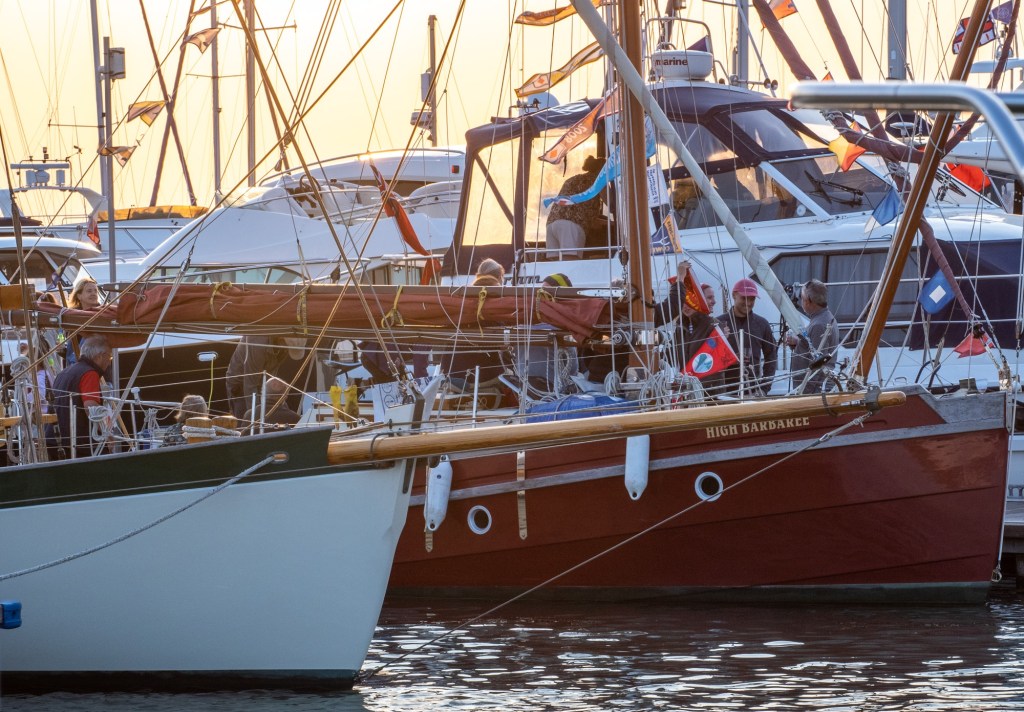
Drinks aboard High Barbaree

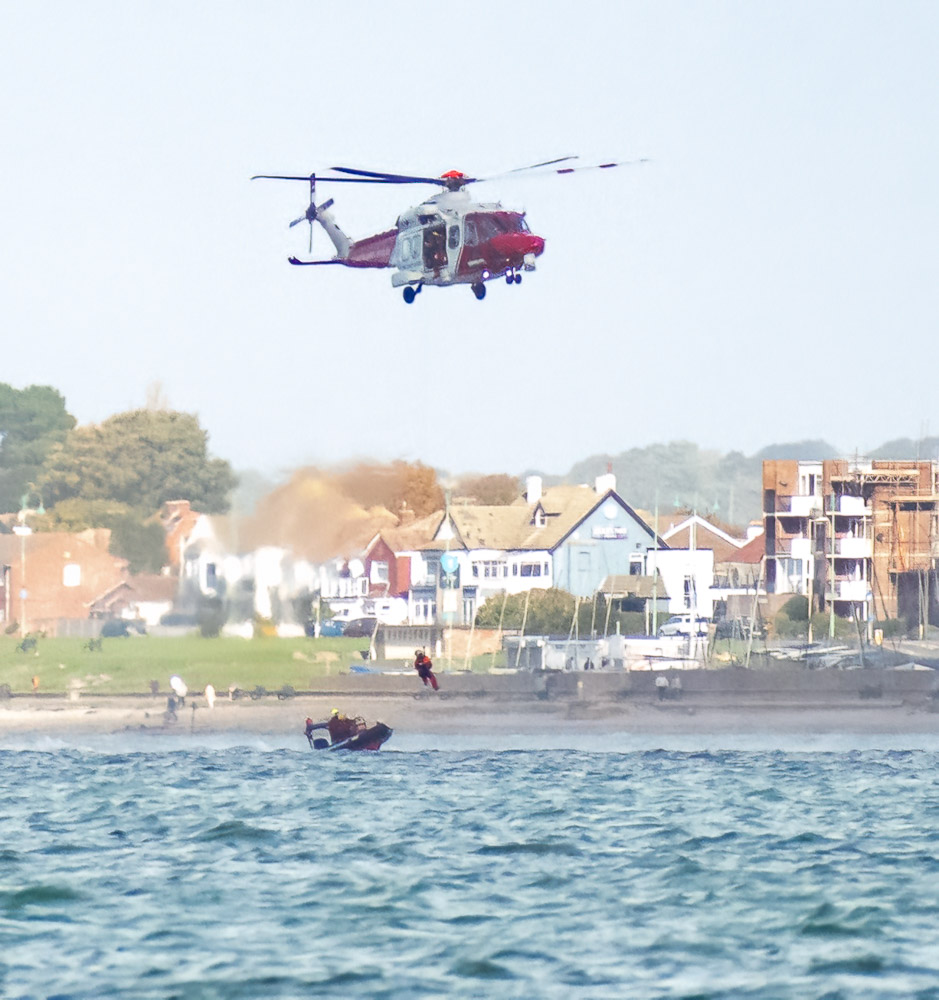
We set off from Yarmouth with the ebb tide, under jib only. The sea state was smooth and we enjoyed a sunny ride past the needles. We could see the coastguard rescue helicopter hovering over Alum Bay and lowering a crew; we later learned that a man had been rescued from the beach having been missing overnight.
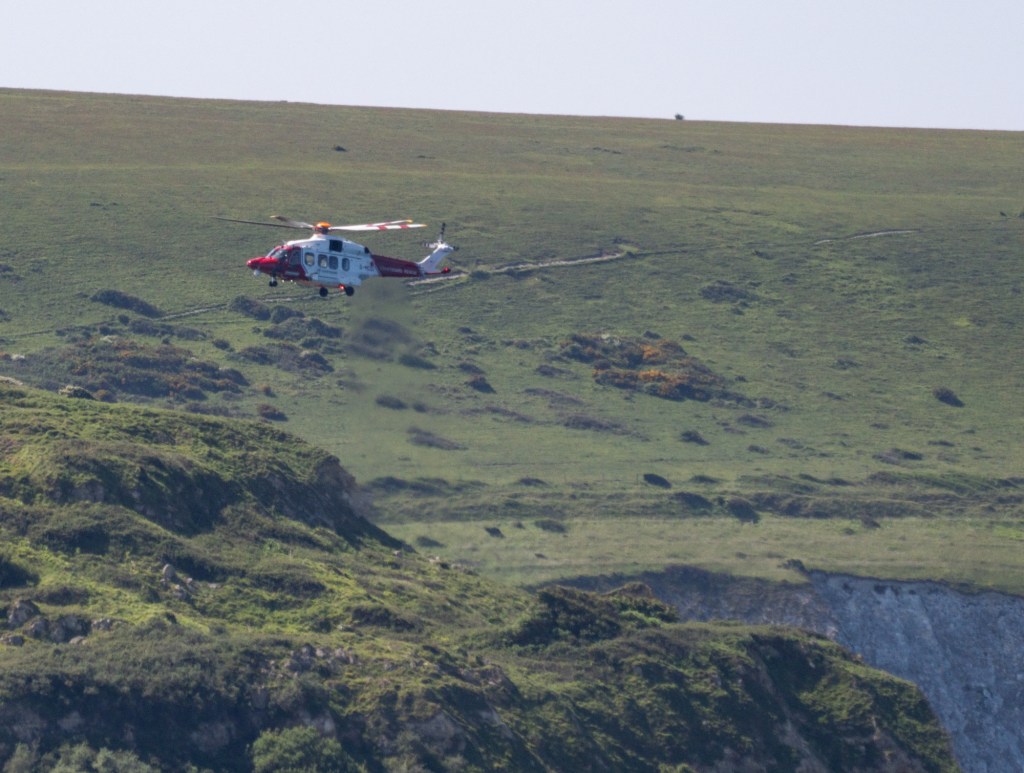
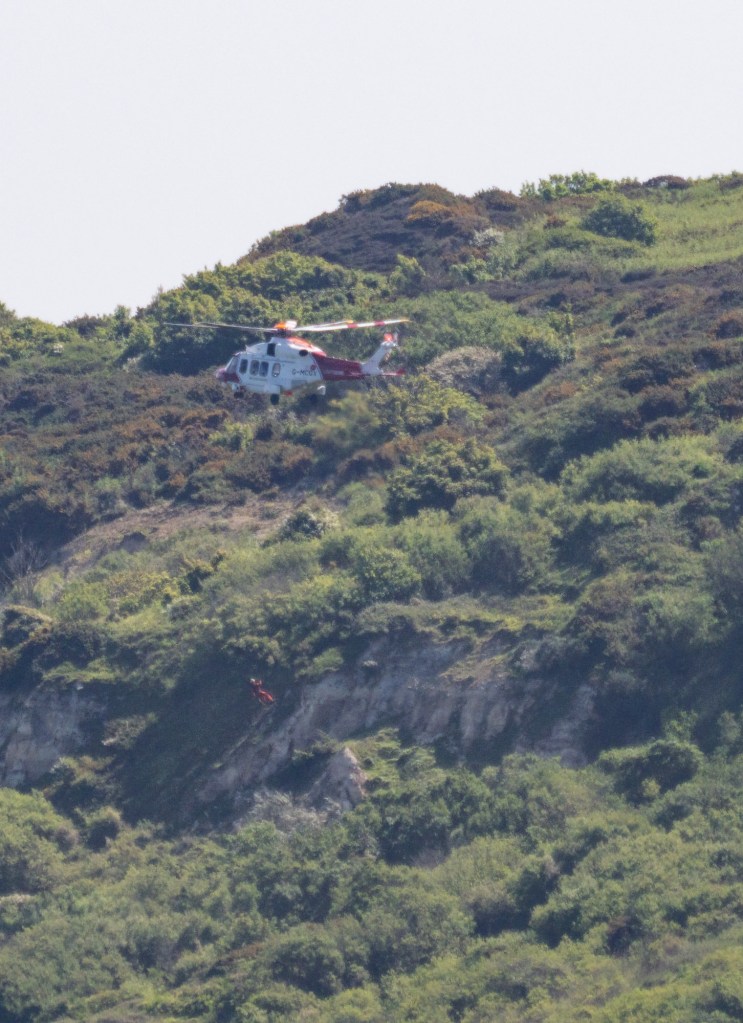
Coastguard helicopter dangling a rescuer from the winch

From there, we ran West with a clear view of the white rocks of Handfast Point, some 12nm distant. We were expecting to move on to Weymouth the next day, treating the girls (both of whom are studying geology at A-level) to a close up view of the Jurassic coast. Old Harry and Harry’s Wife were this intended as aperitifs for this experience, but they were nonetheless impressed.
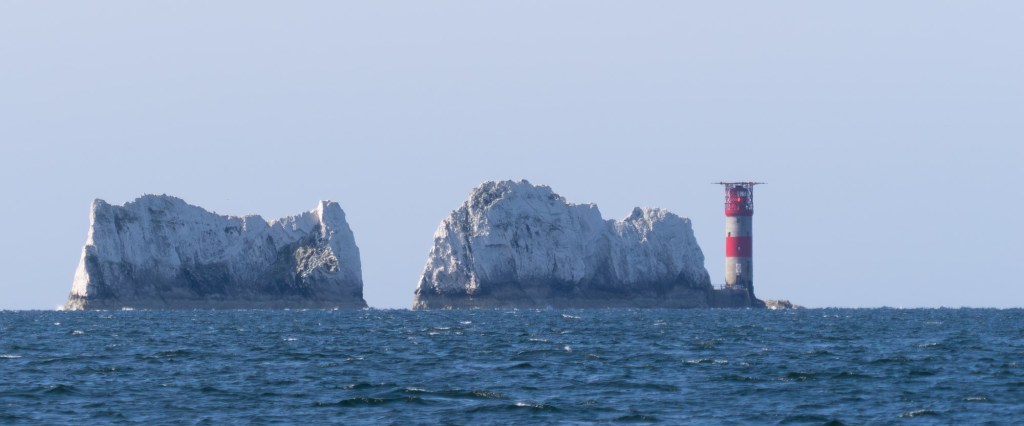
Iconic view of needles

We ran before the wind across the bay and then into Poole harbour. The wind was such that we had to pass around the north of Brownsea Island, to anchor in the shallows near Pottery pier. This gave us the afternoon, in which the girls swam and I made a veggie curry in the thermal cooker. During the dinner time discussion, we reached the conclusion that Weymouth was not a good idea and so determined to return to Gosport the following day.
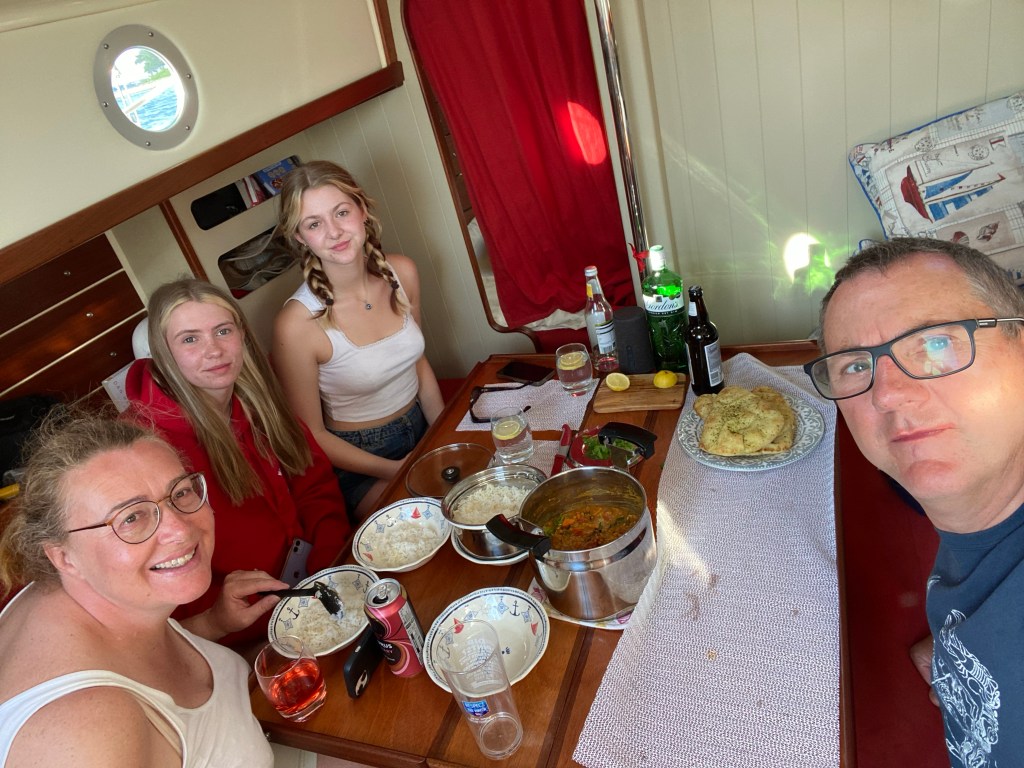
Dinner aboard

I had not brought so much as a pack of cards, so we had several rounds of “animal, vegetable or mineral?”, much to Lauren’s bemusement.
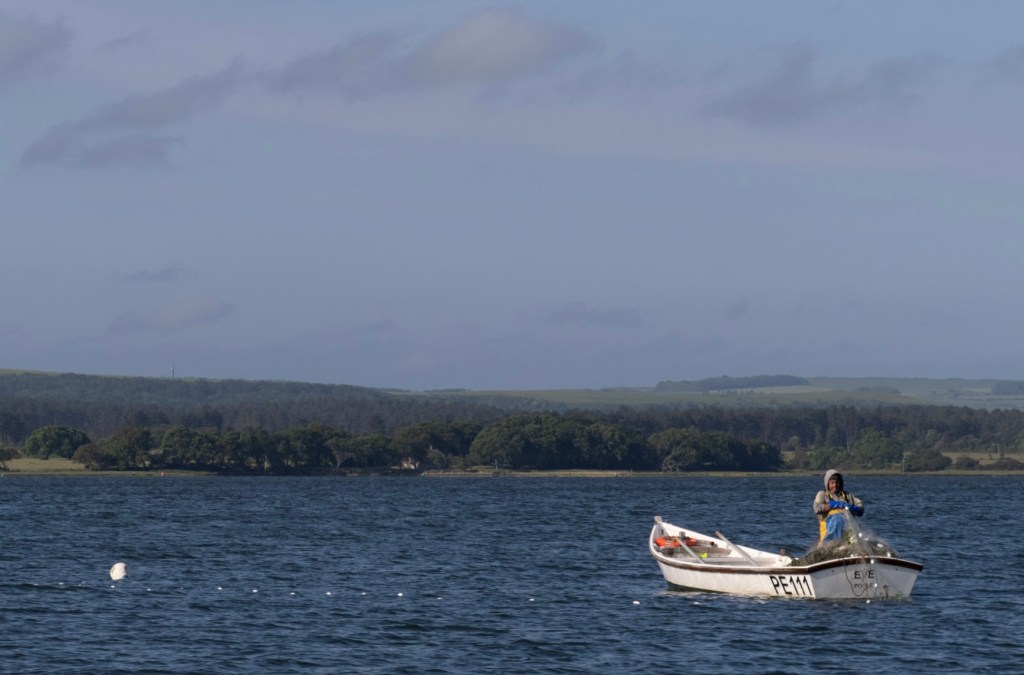
Fisherman at work near our anchorage
At anchor

The following morning, I had the teens inflating Aurelia for the short row ashore and a stroll on Brownsea Island. It was interesting to see the remains of the village and spot a few of the resident red squirrels.
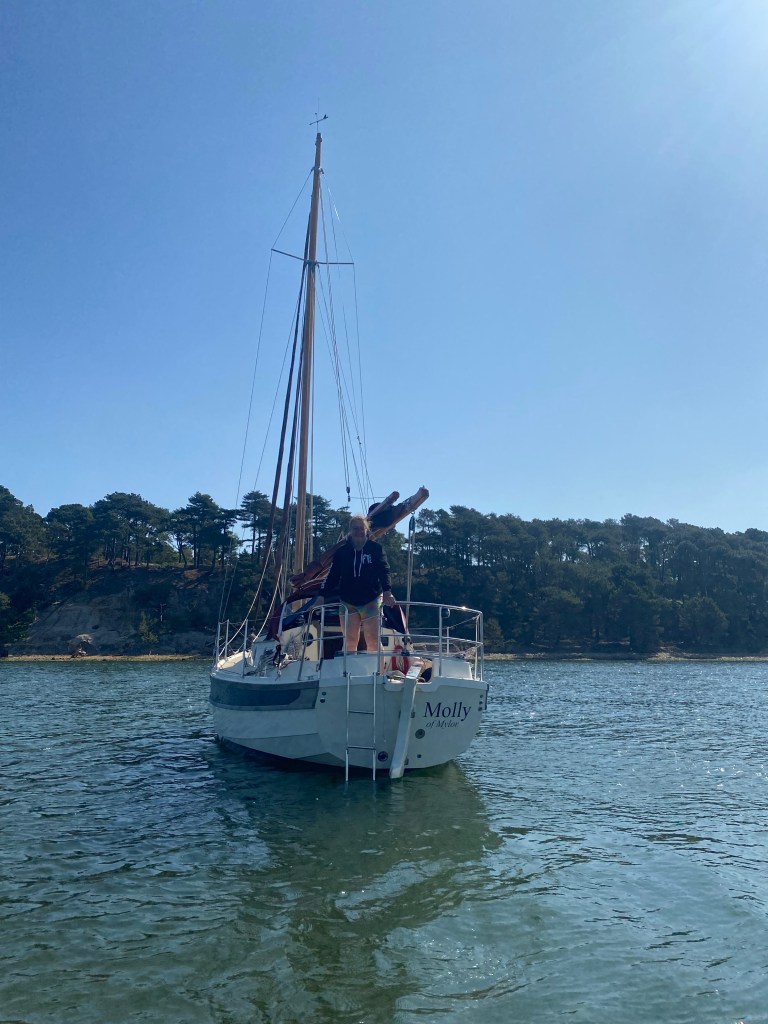
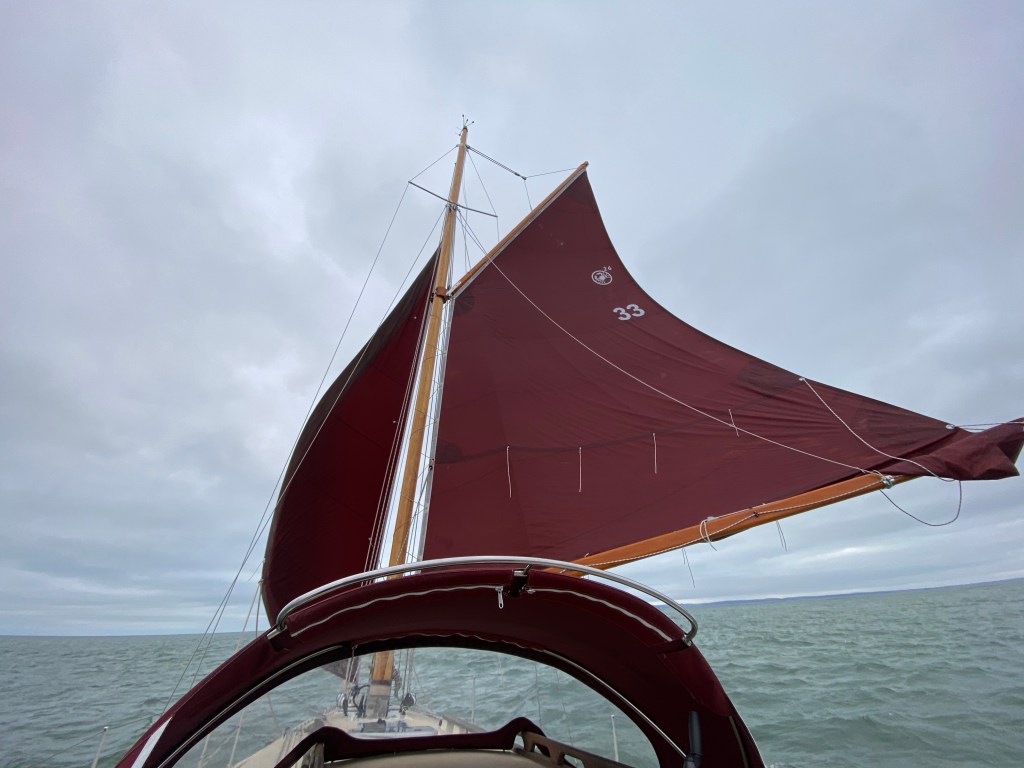
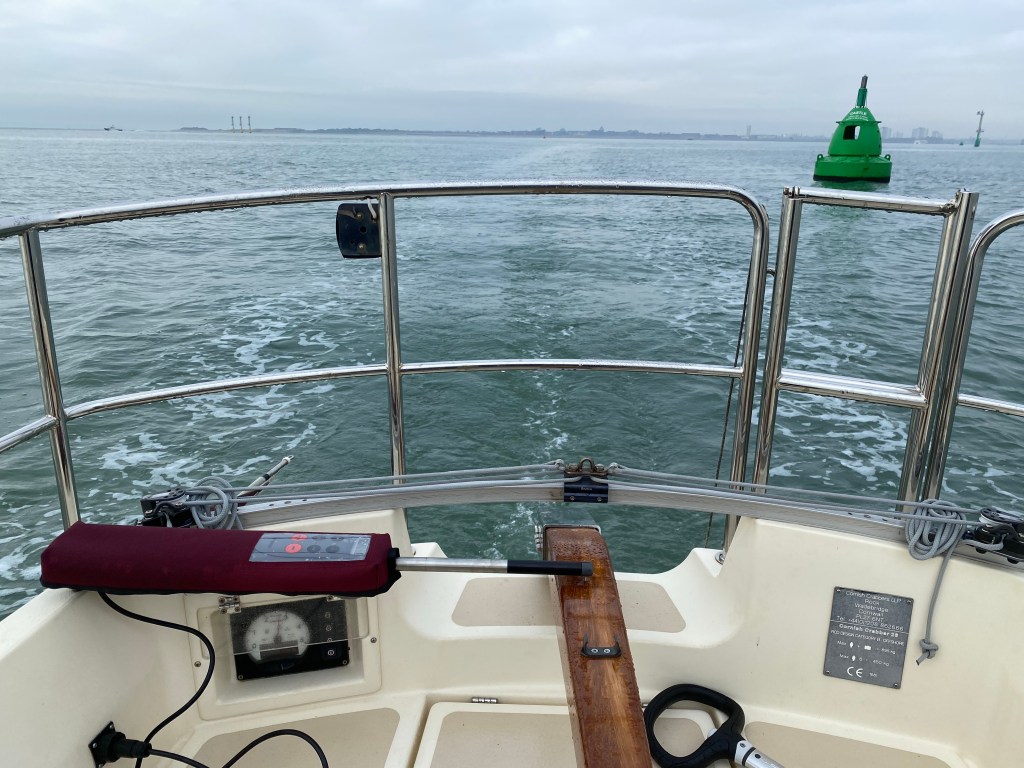
After that, it was time to batten down the hatches and battle back upwind. I was hopi great we would be able to sail, but the wind was thoroughly “on the nose” and this was a longer leg than the girls had bargained for, so I motored. We made great time despite the head wind, with the tide under us and Andy the Autopilot steering an arrow-like course across Bournemouth Bay.

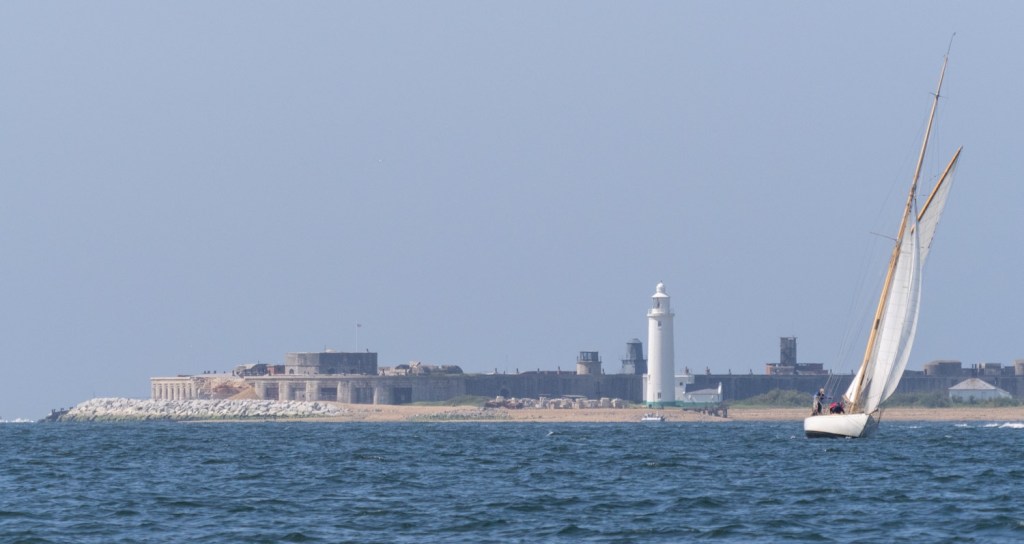
Sweeping into the Solent past Hurst Point

We passed into the Solent via the North Passage and the strong flood ushered us past Gilkicker in great time, arriving back at POG in time for a welcome visit meal at the Castle Tavern prior to the girls’ early bus back to the midlands.

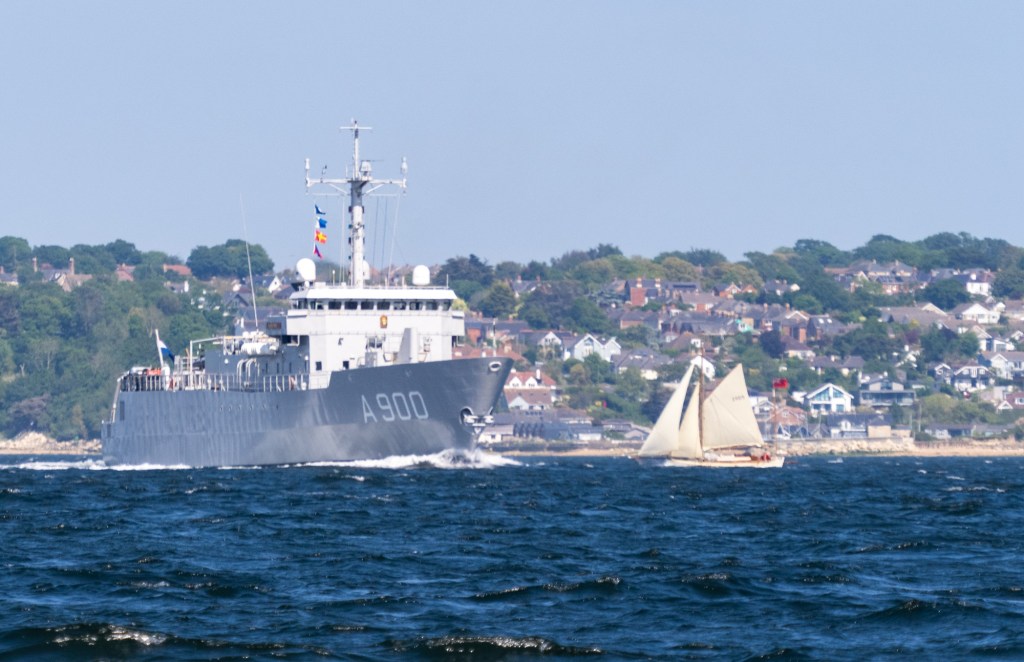
Yacht Lady Belle as she beat up the Solent
Portsmouth again
YOGAF 2023

YOGAF 2023

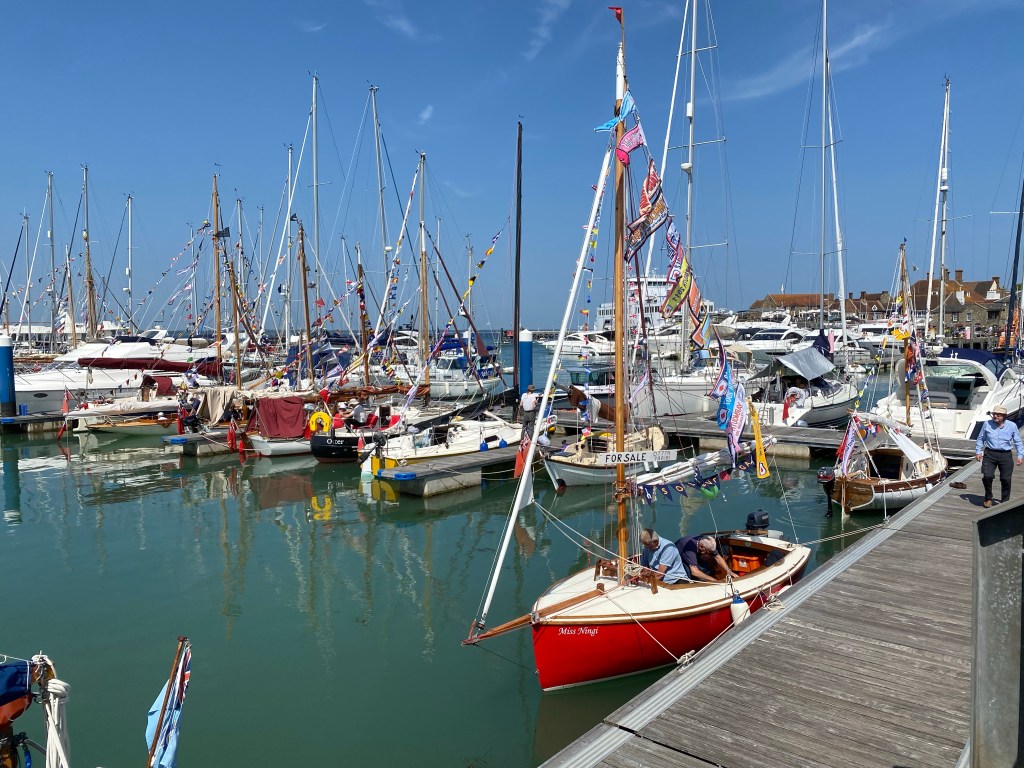
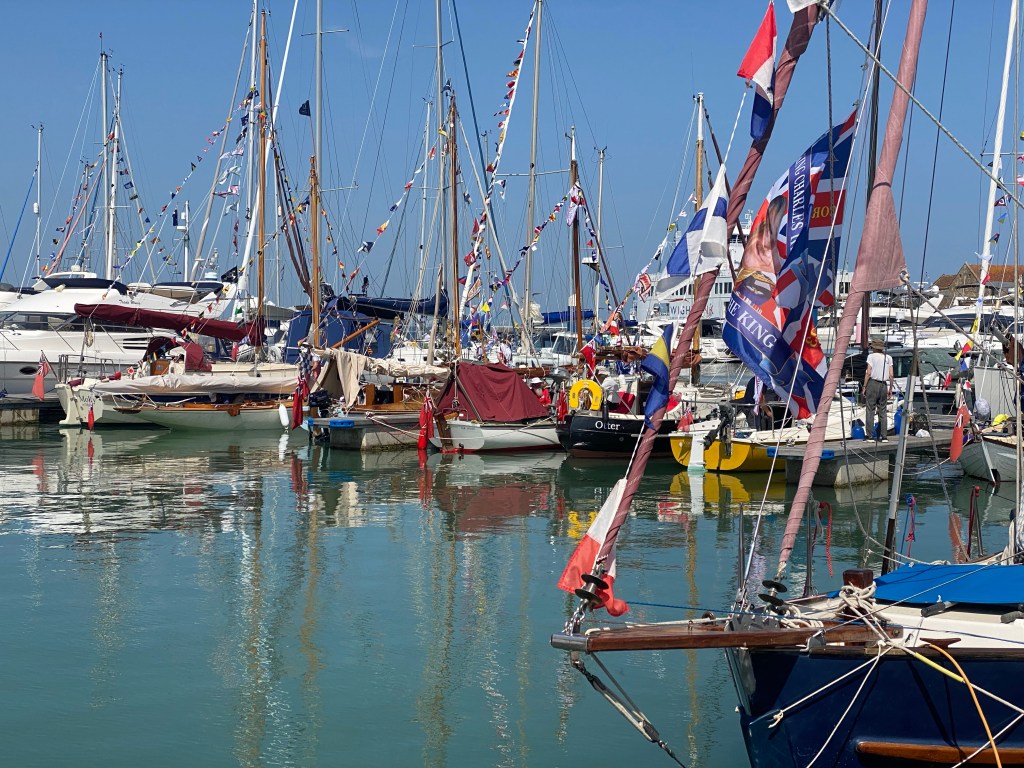
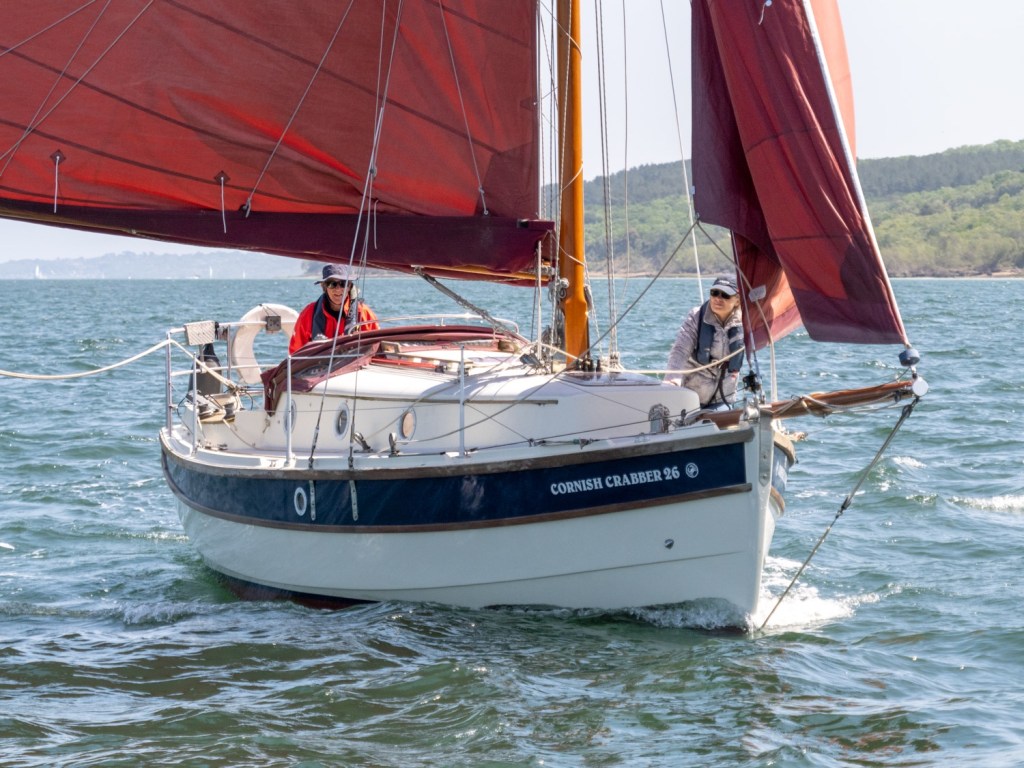
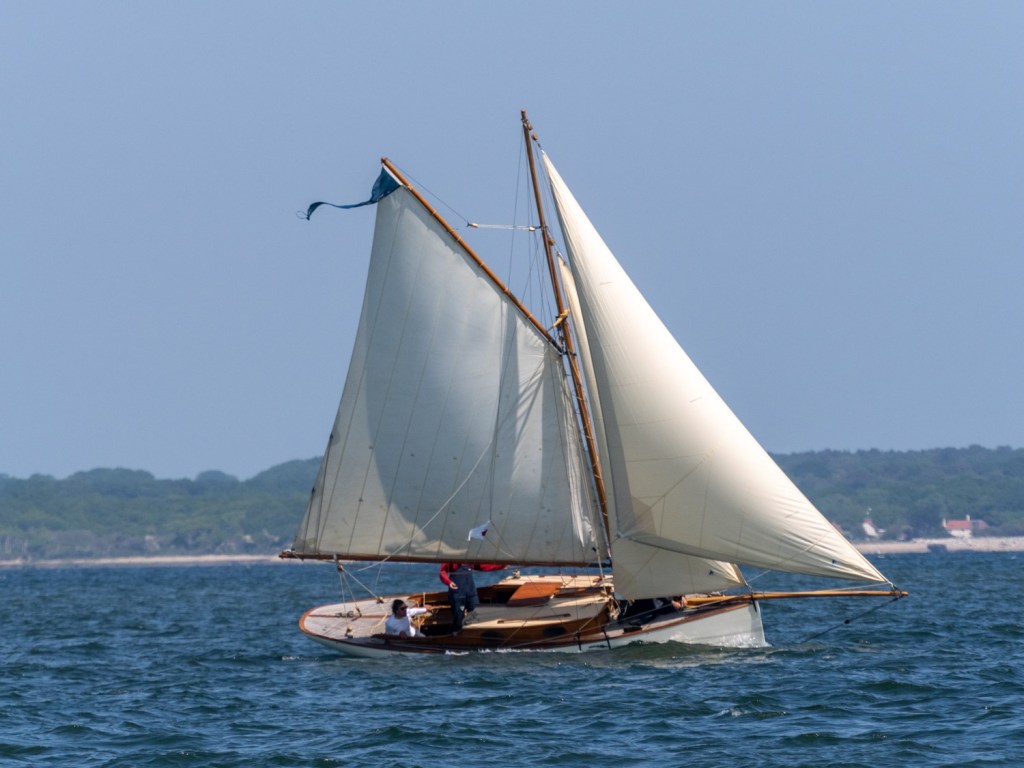
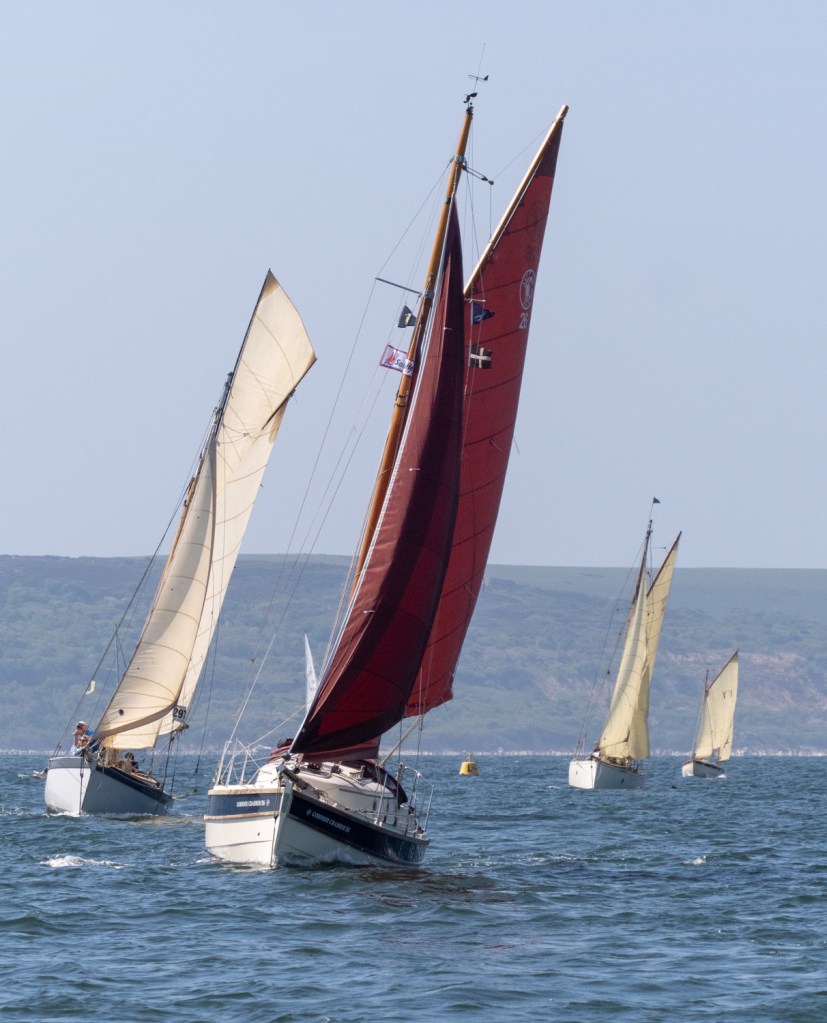
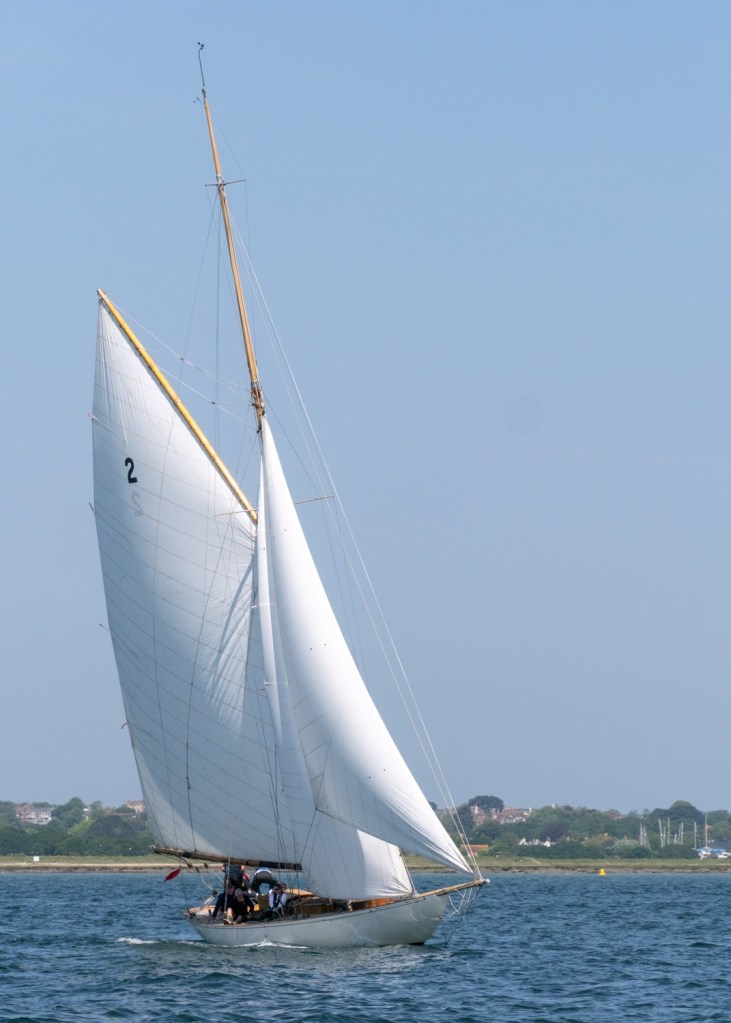
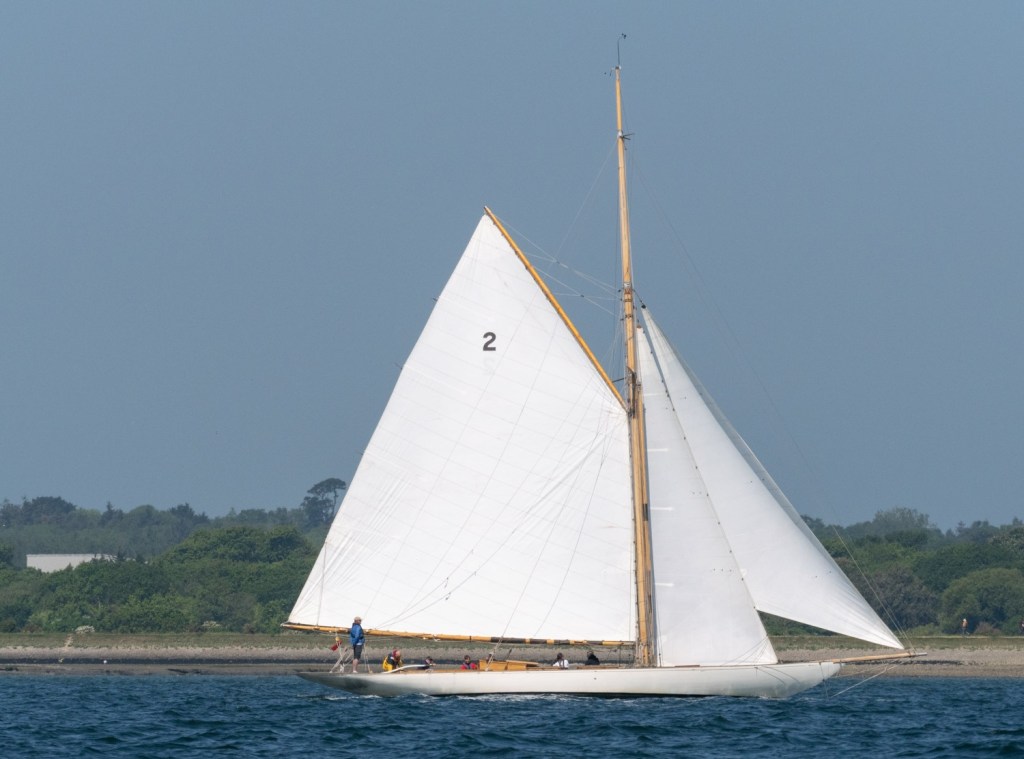
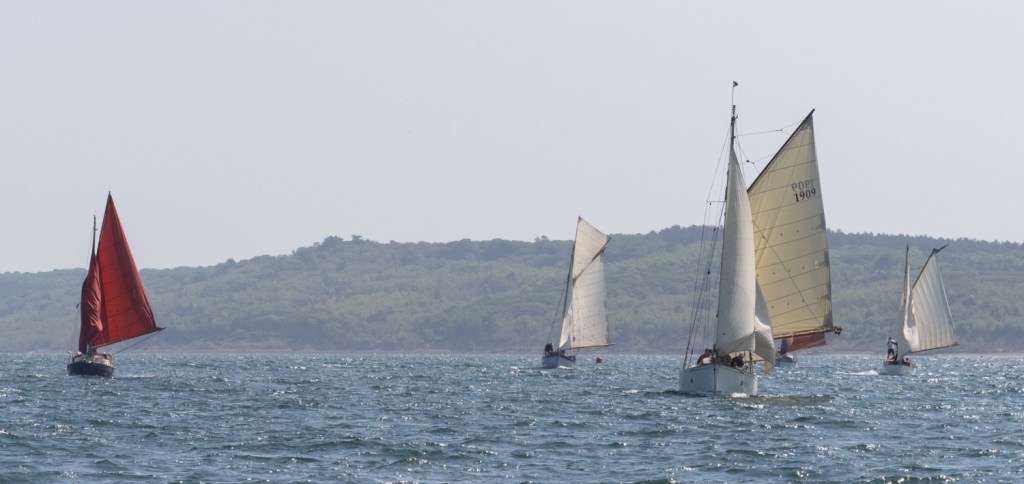
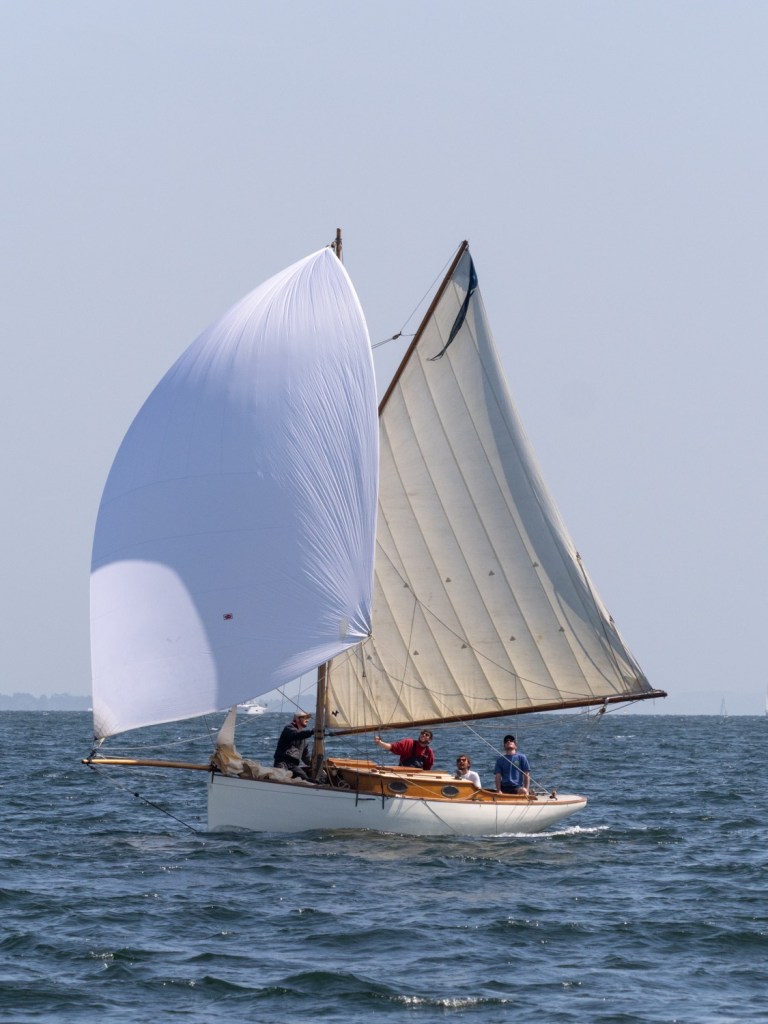
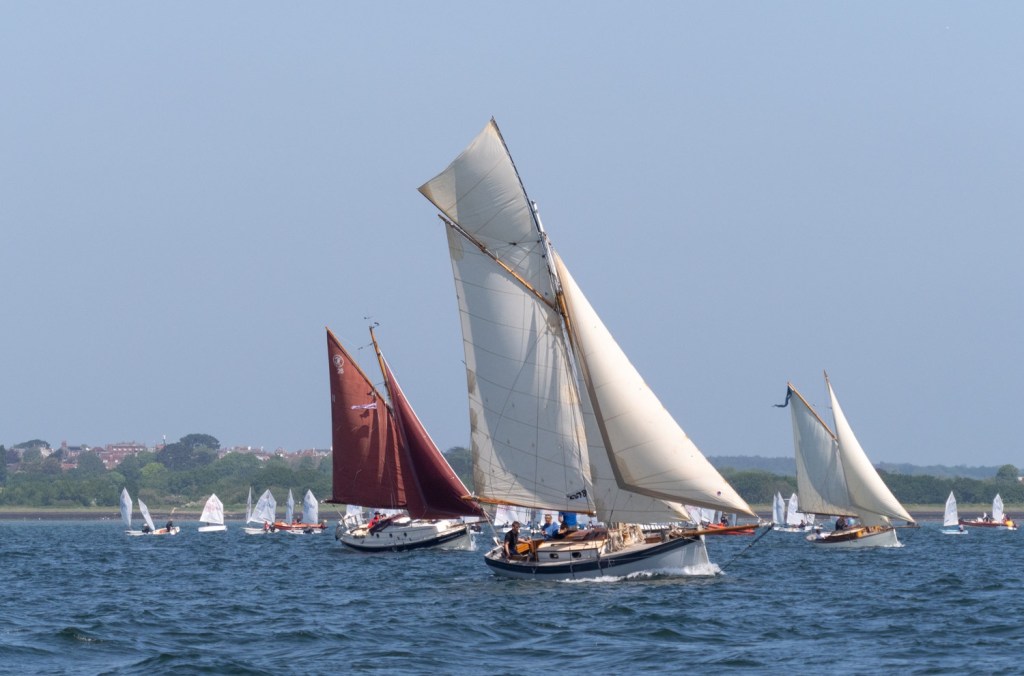
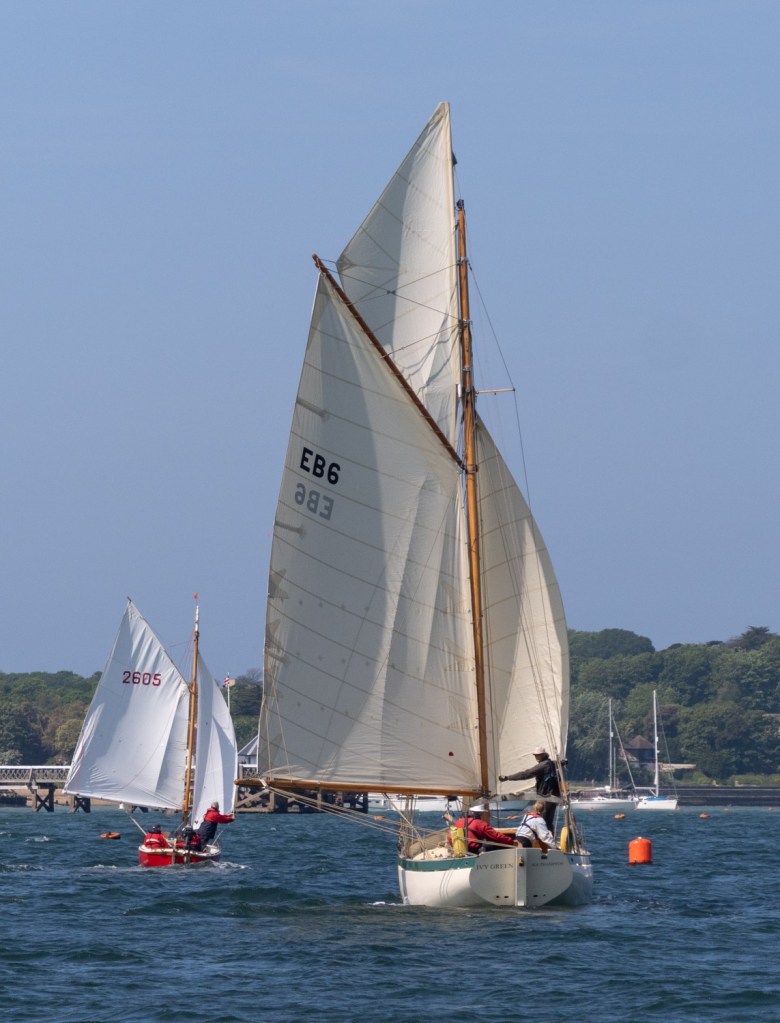
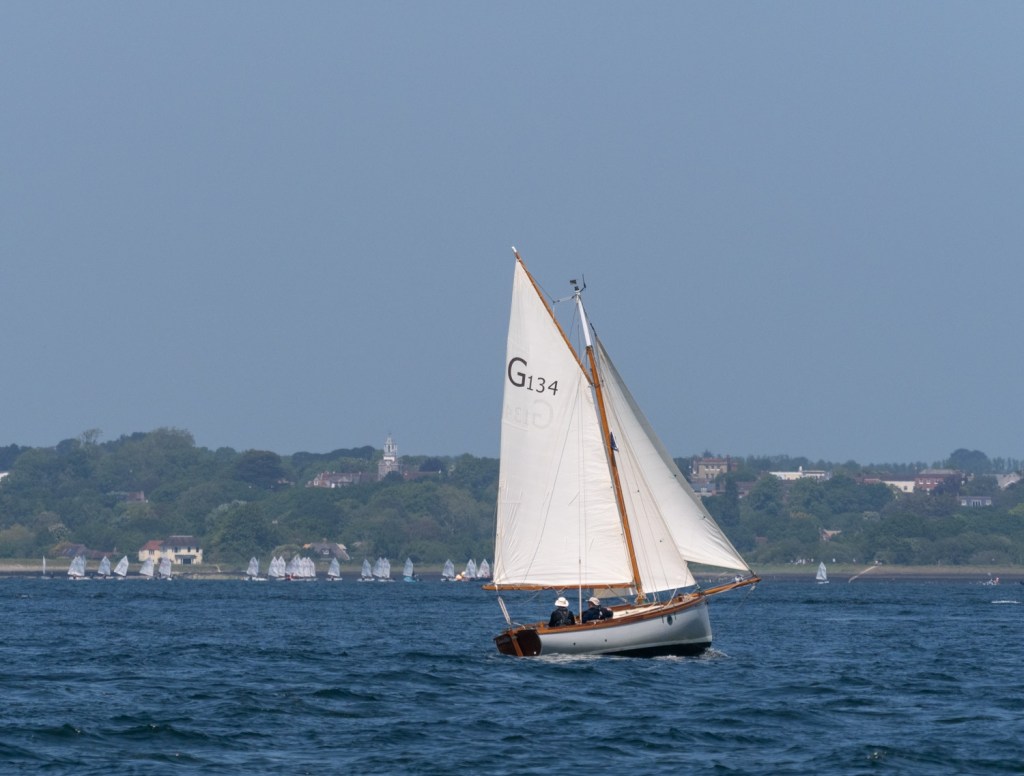
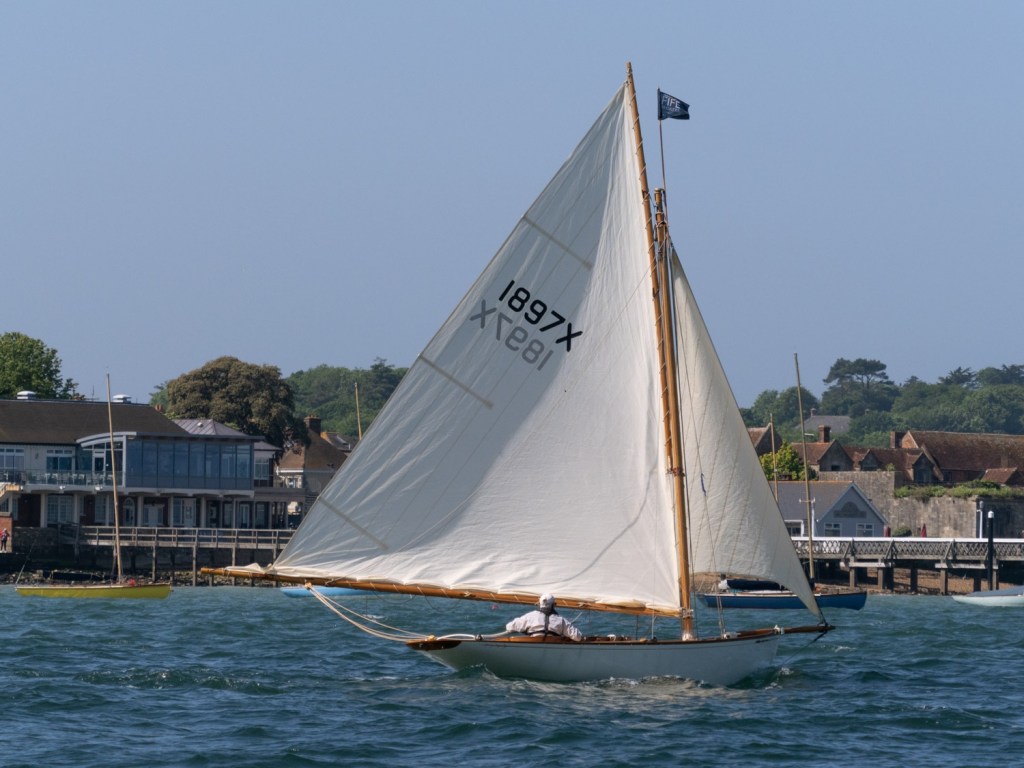
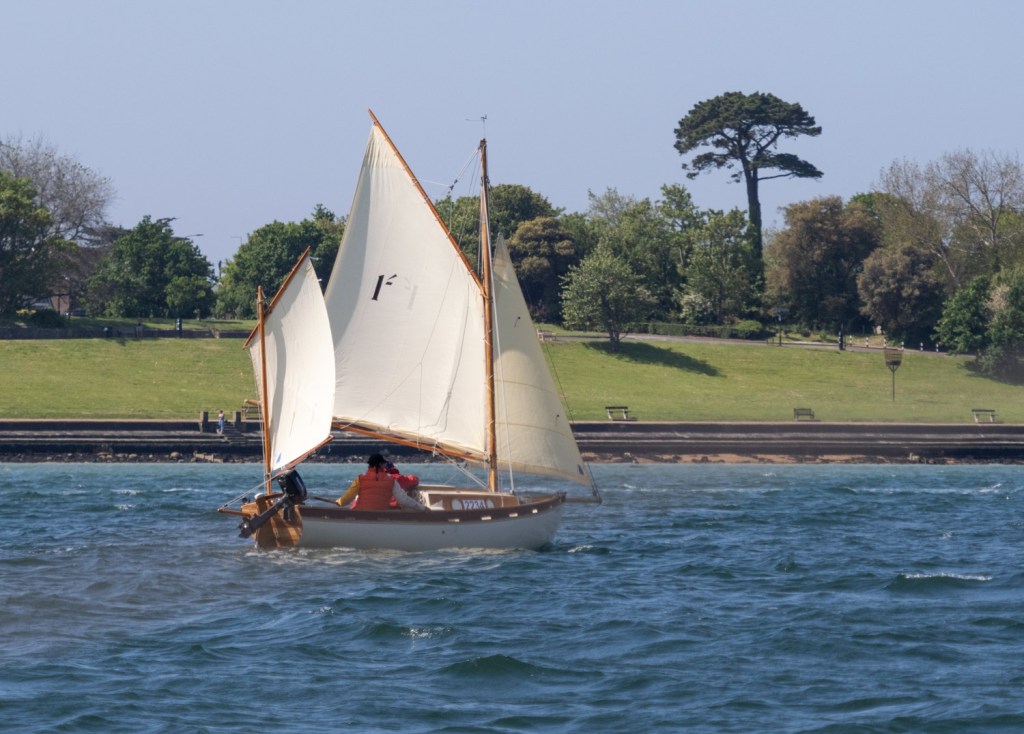
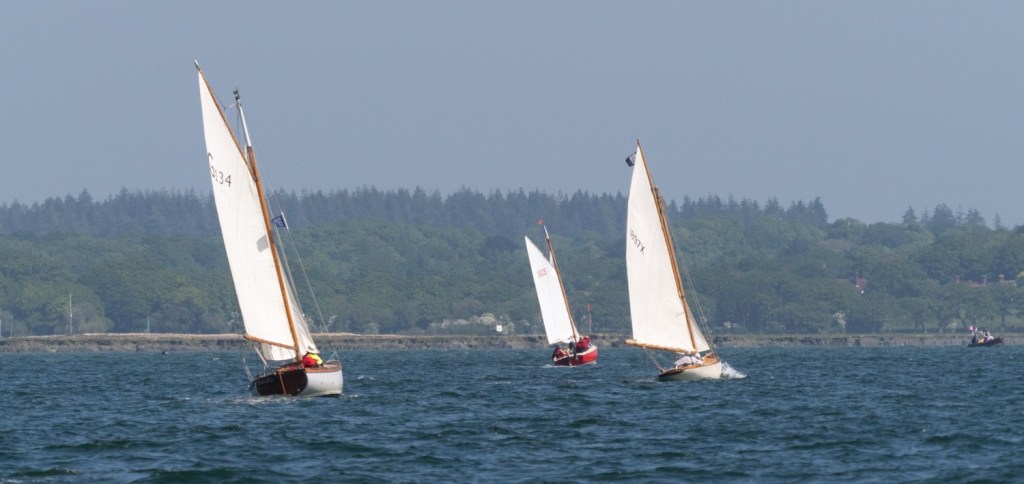
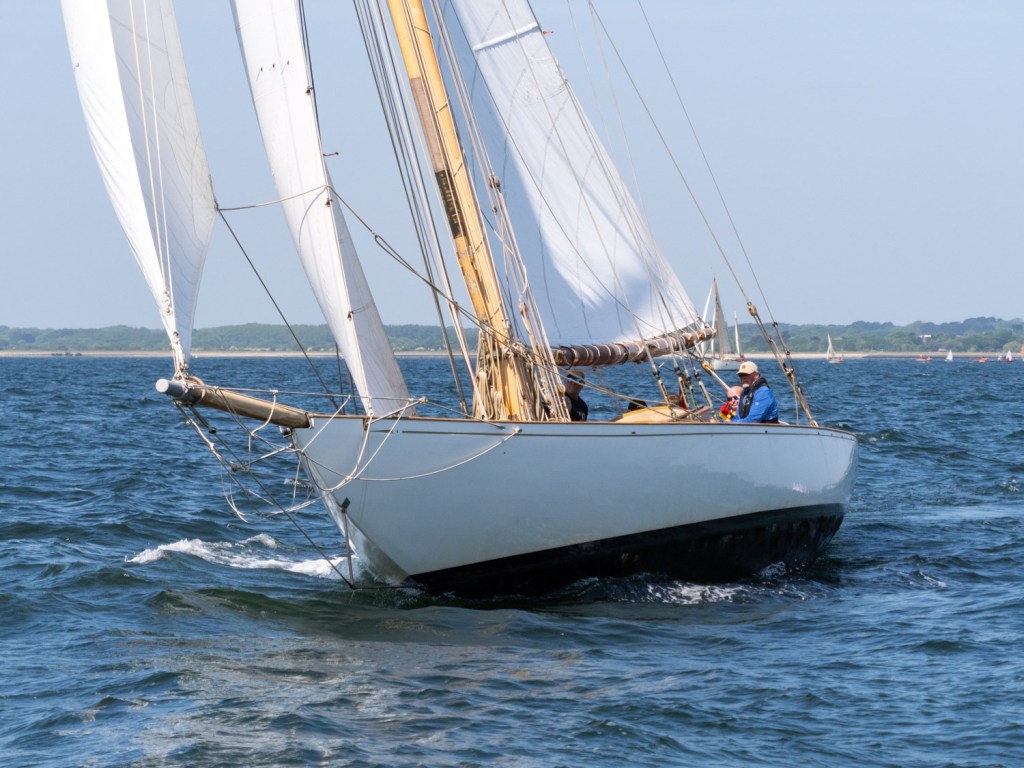
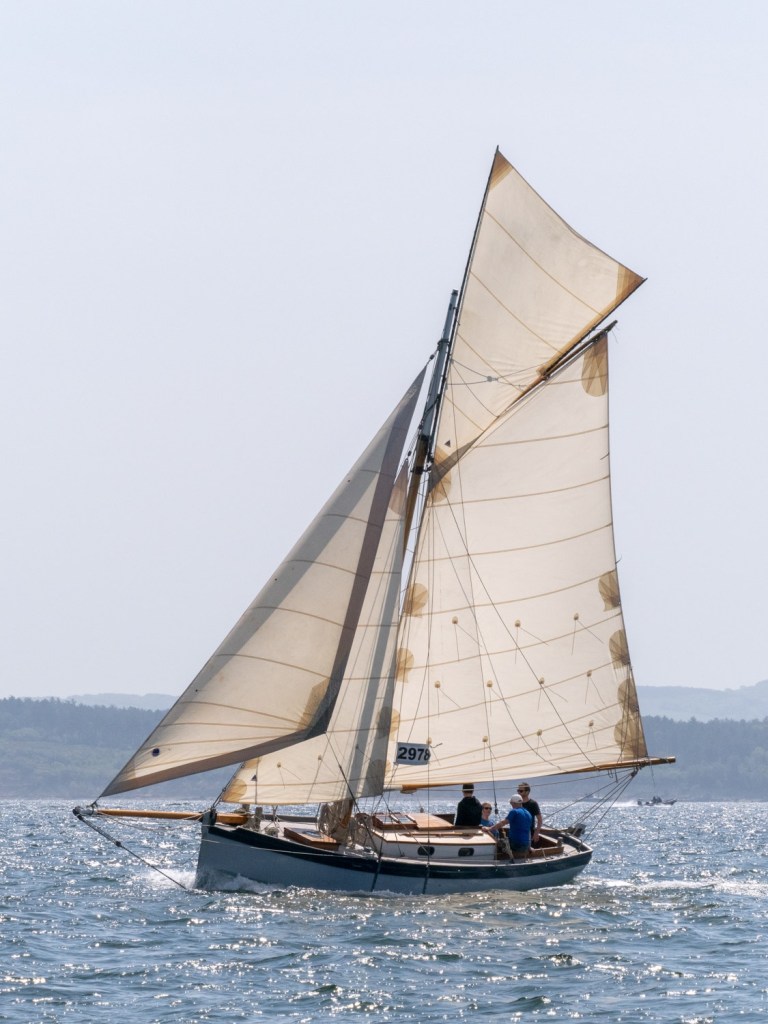
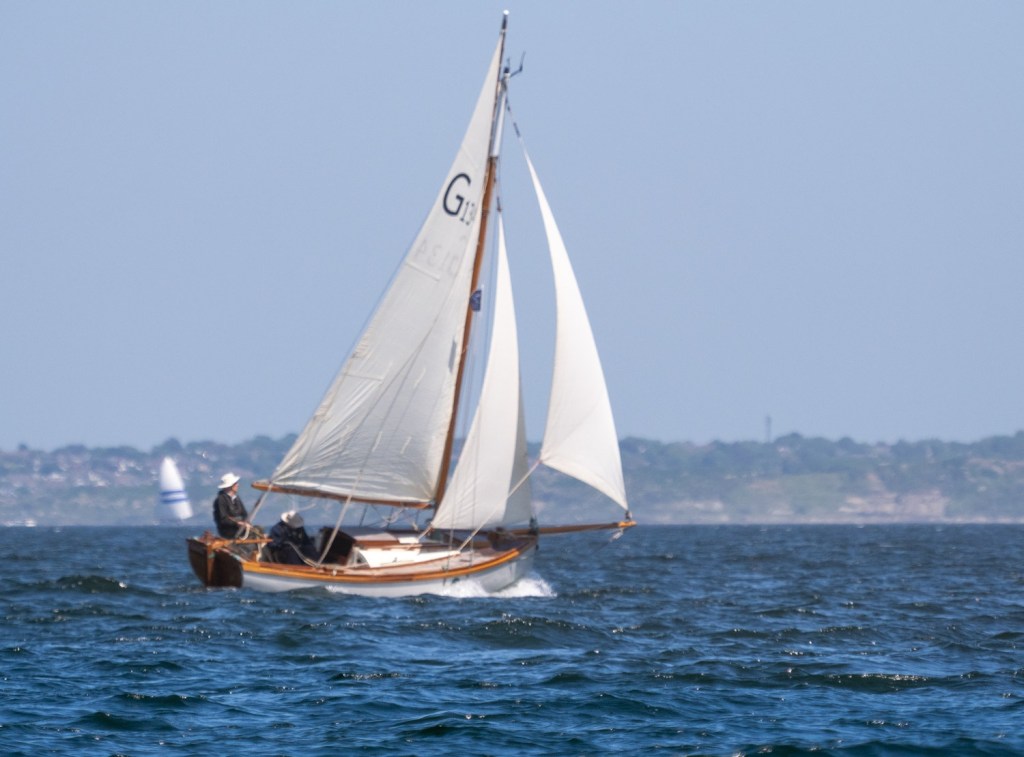
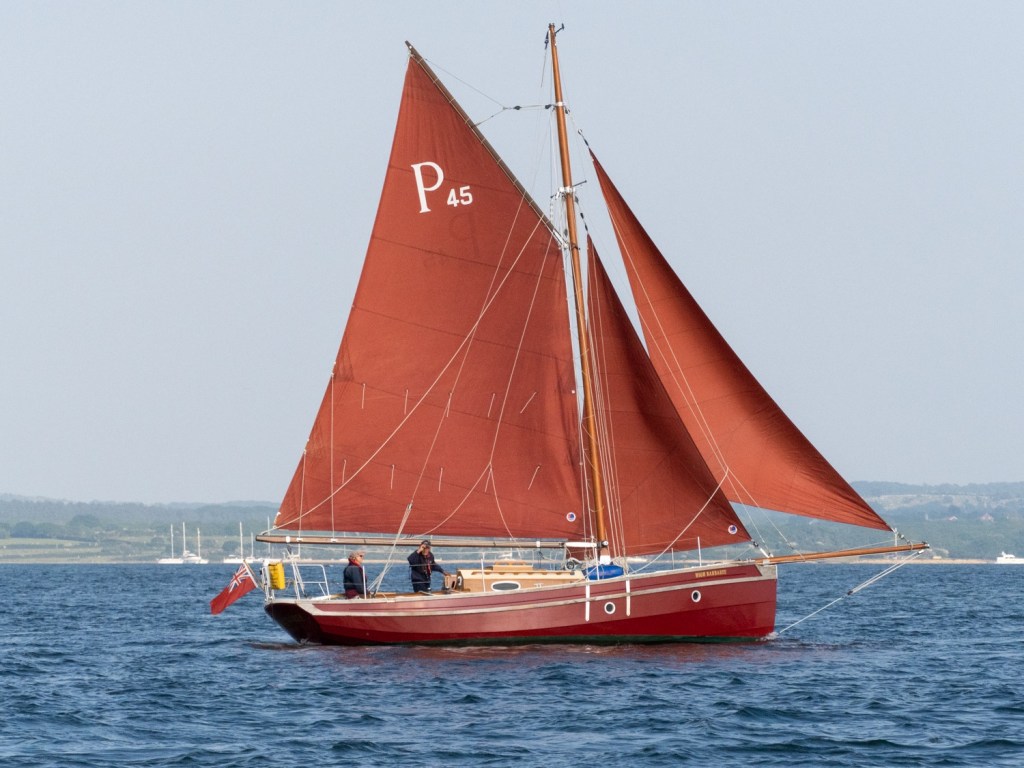
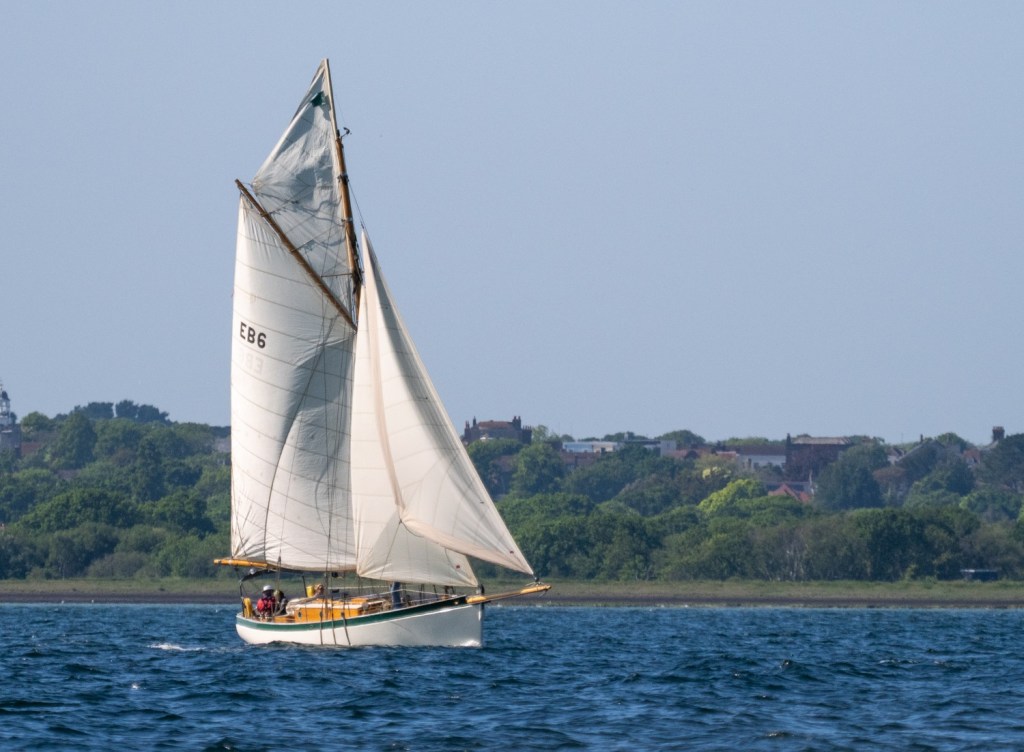
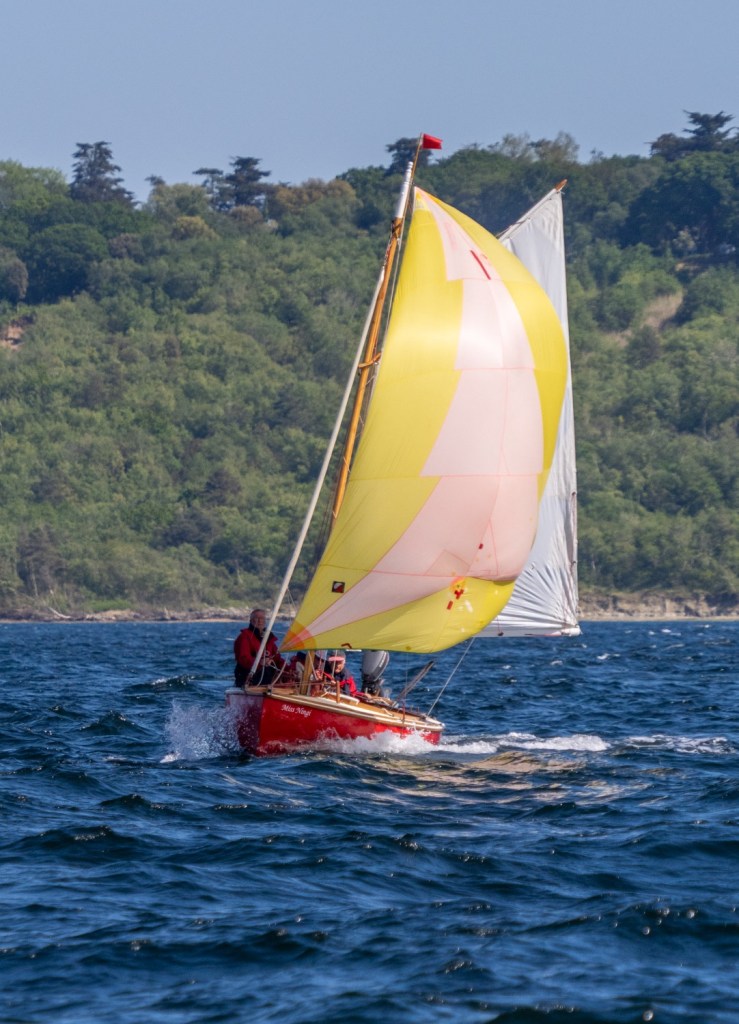
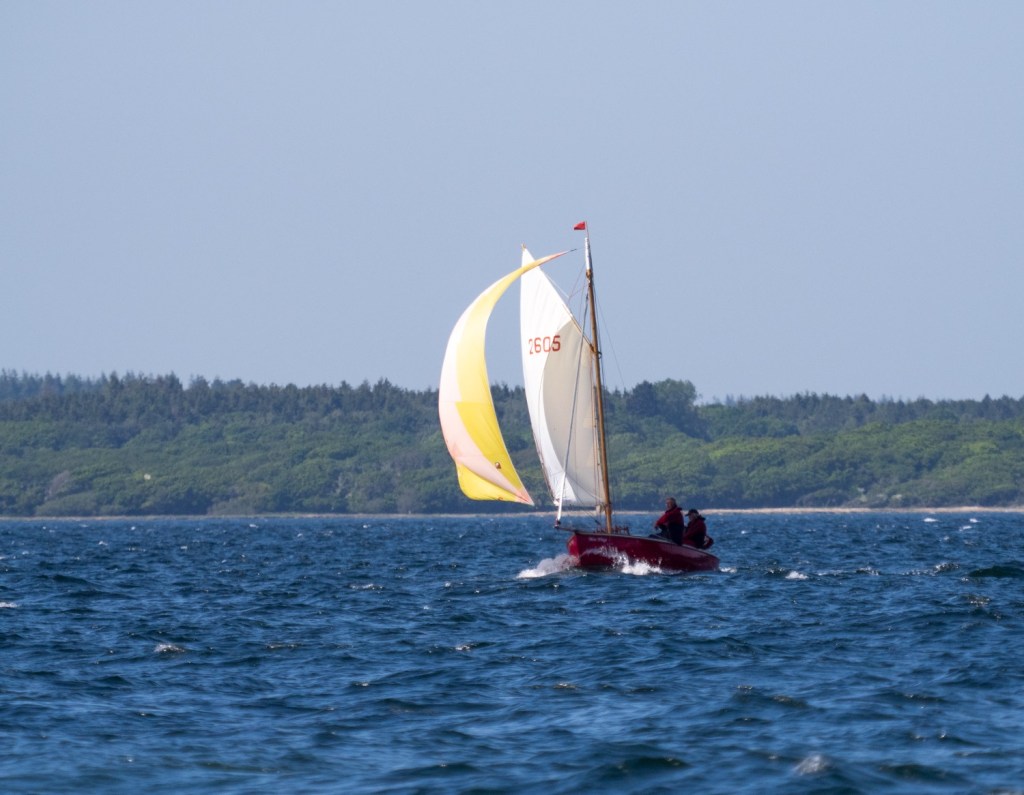
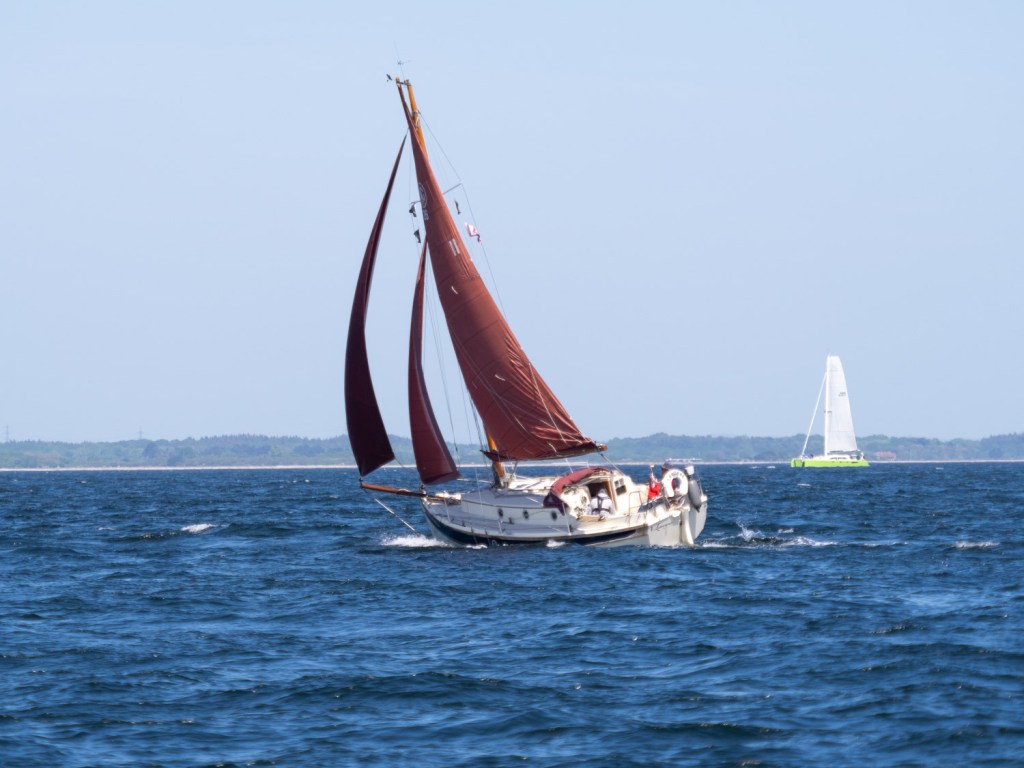
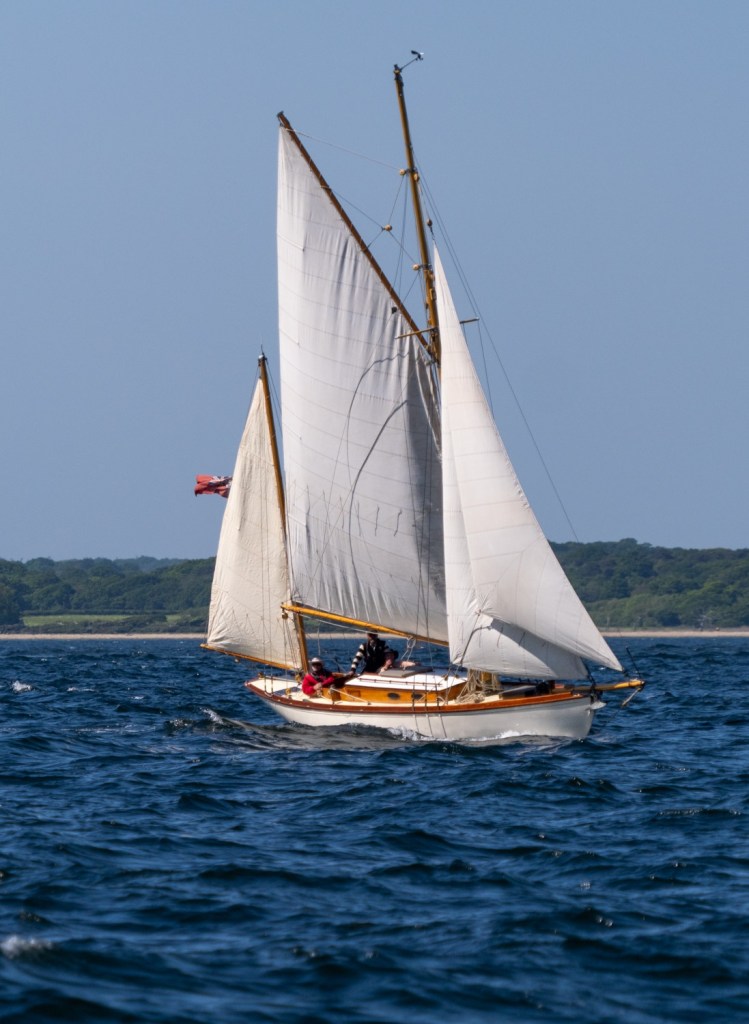
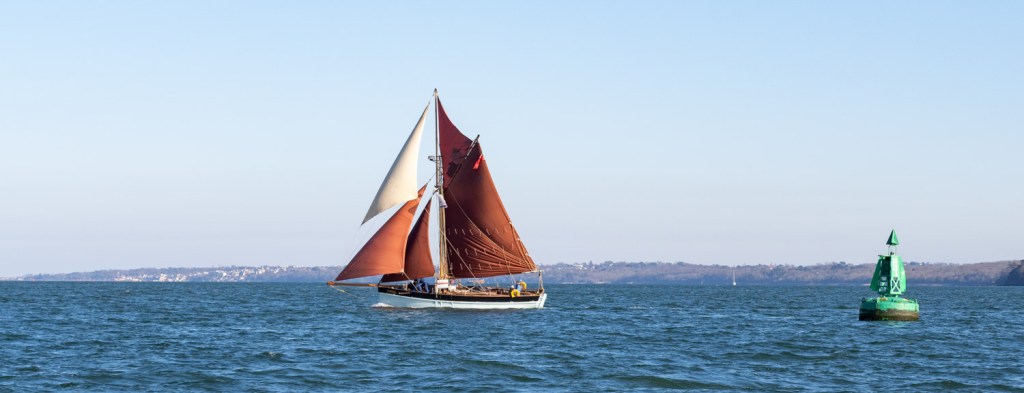
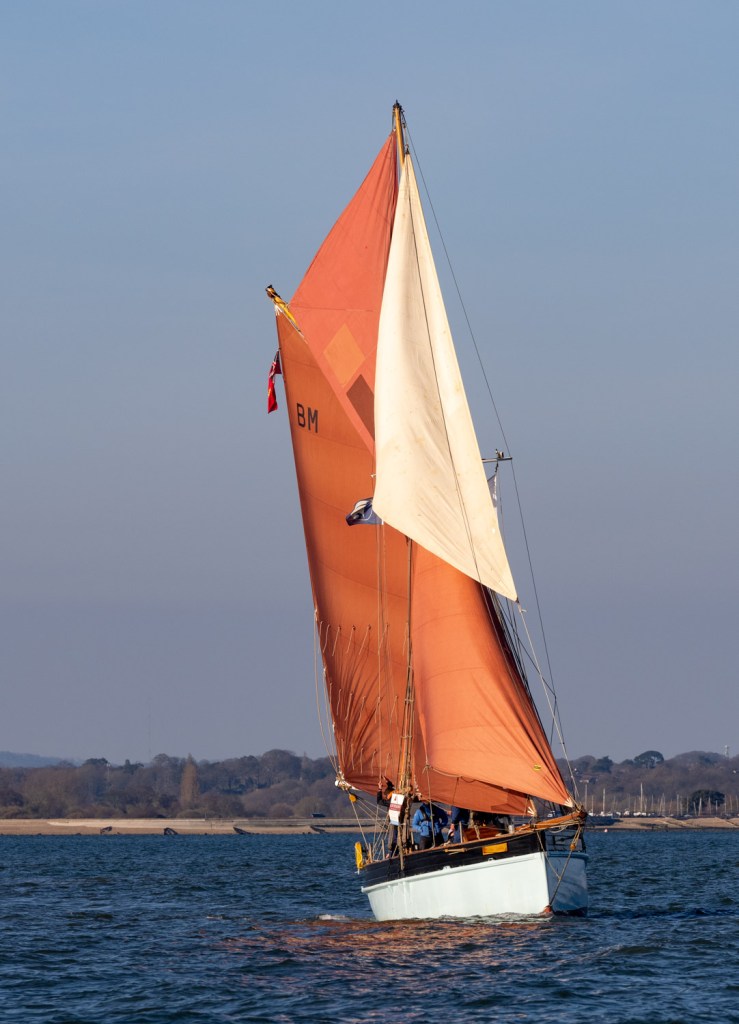
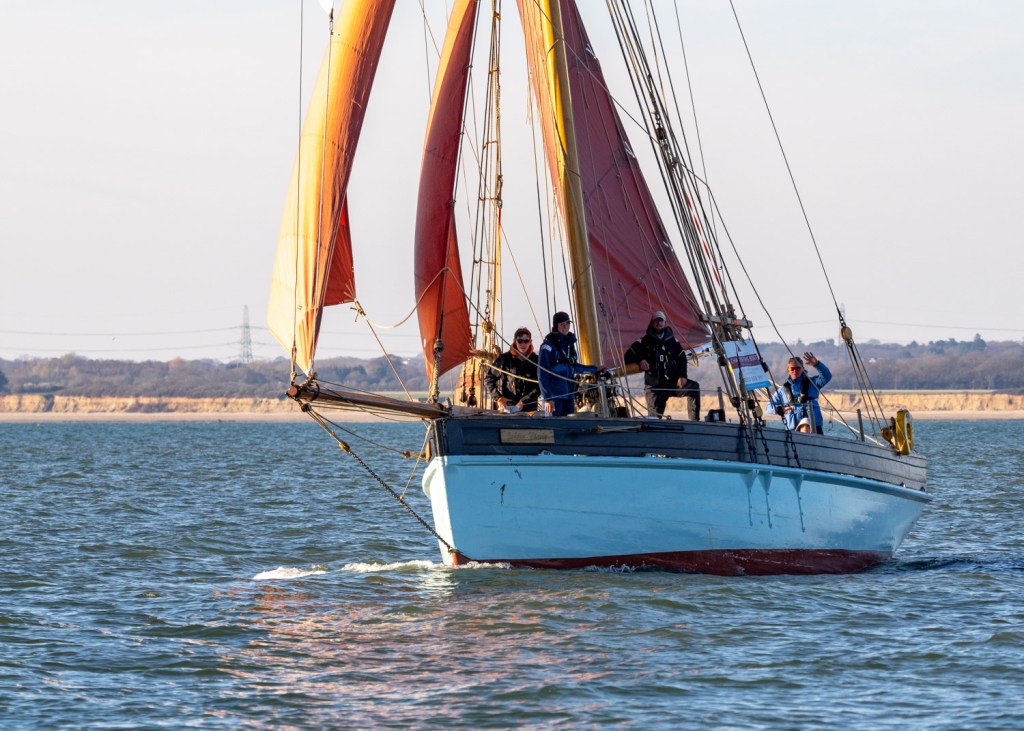
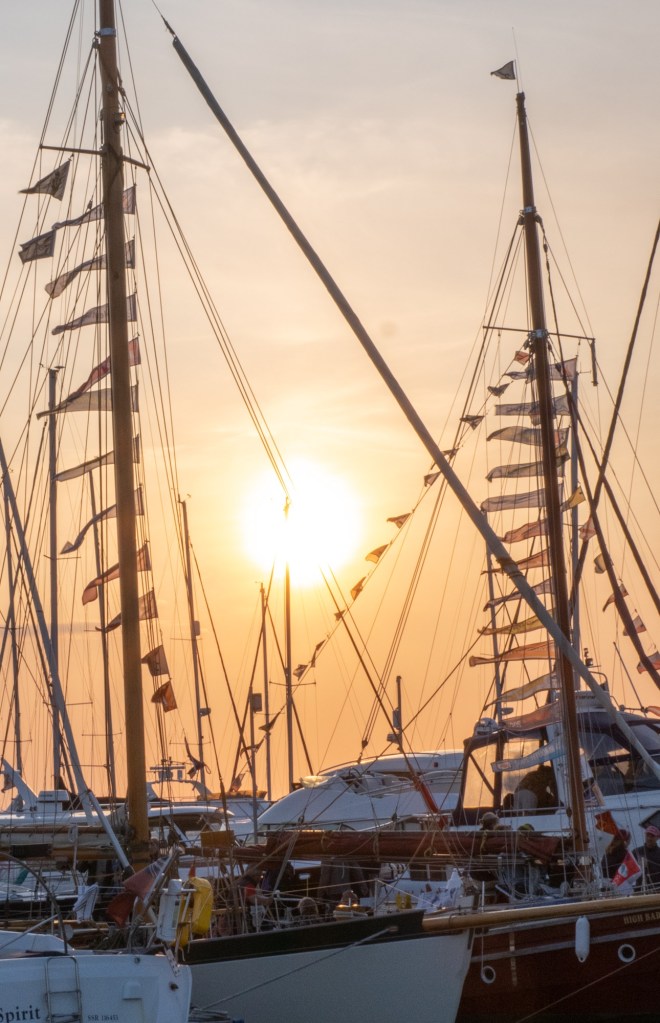
The Yarmouth OGA Festival is my favourite weekend in the Solent Gaffers calendar. It attracts gaffers large and small, old and new and it’s great to chat to so many other owners. This friendly event has a great social scene but the highlight event is the Saturday race. Here are some photos from the harbour and the race.

Thanks to Sue Pennison and the Solent OGA committee for organising, to Tim and Liz Dodwell for taking me out on High Barbaree and to all the other sailors who make this such an enjoyable event.

Moored up together
Lots of colour
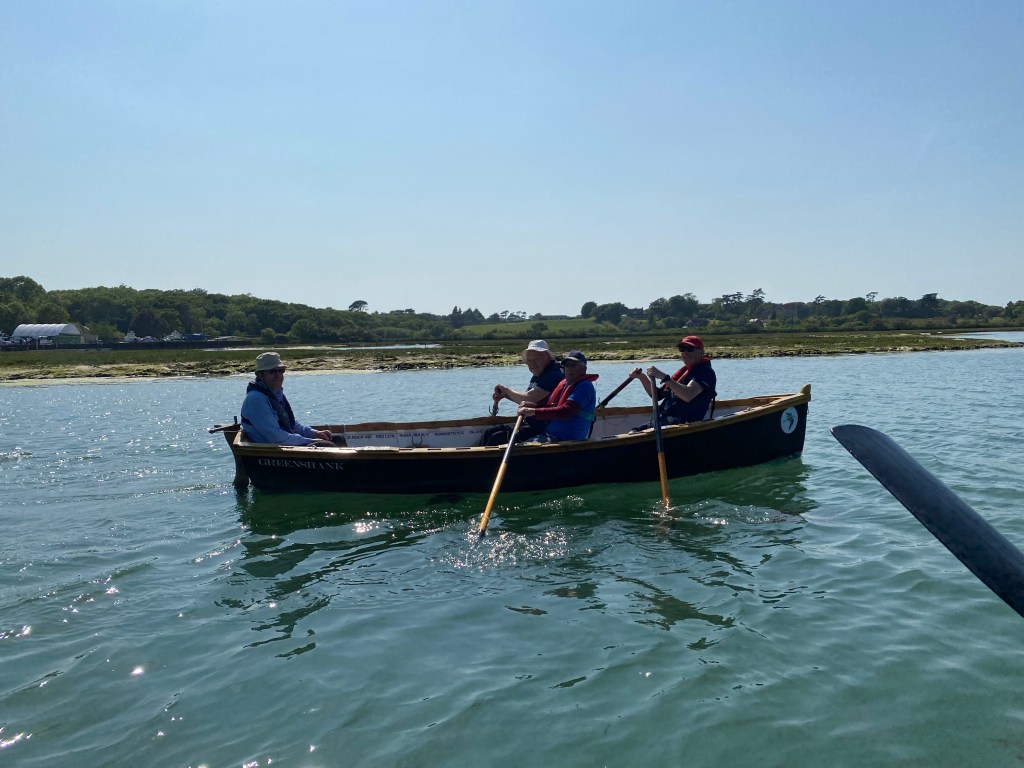
Rowing trip up the Yar
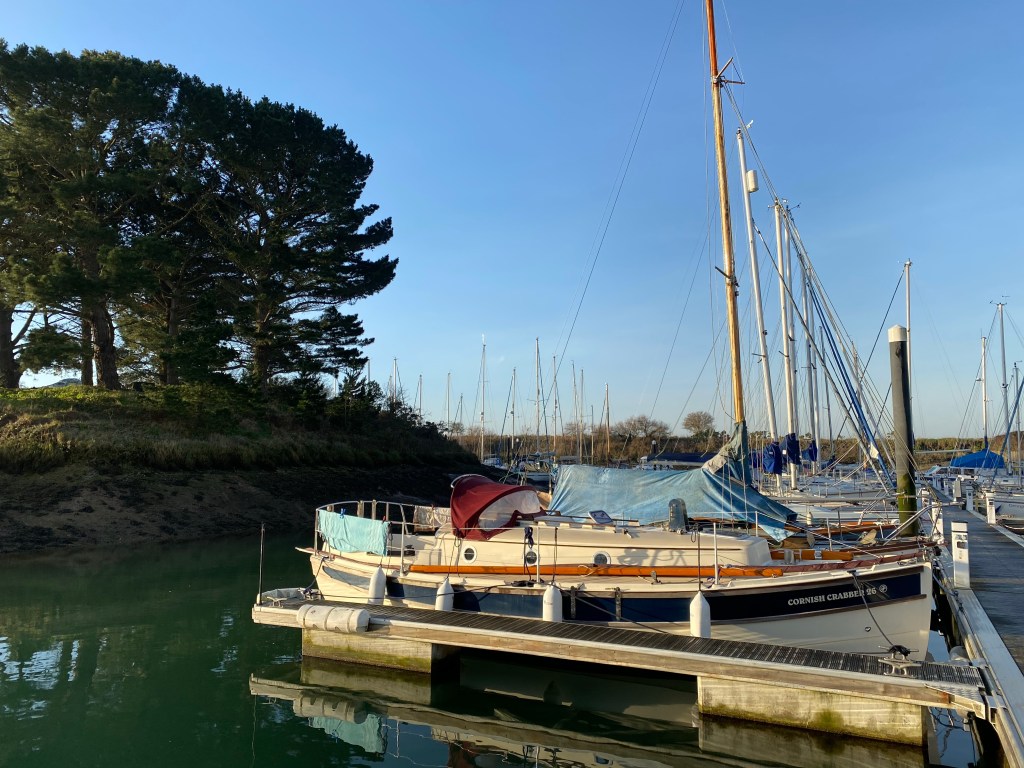
Crabber 26 Lowenna

So, what’s a Gaffel race?

At the annual Whitsun gathering of the Solent Gaffers a race format has taken root that is rather different to the familiar “pursuit” or “handicap” formats. A Gaffel race is a format borrowed from the Dutch gaffers and consists of a course in which the skippers choose from a range of different legs. It’s a subtly tactical situation, because one must take account of tide, wind and the peculiarities of one’s own boat. All the competitors start at the same time and must finish by a specific time (or earlier); those crossing the finishing line late suffer a penalty. Each leg has an “official” distance and can be sailed no more than twice. The winner is the skipper with the fastest average speed, taking into account the boat’s handicap.

Today’s race at YoGaff 2023 in Yarmouth, Isle of Wight attracted a range of boats from small trailer sailers to heavy displacement gaffers and took place in a good breeze of wind, but any skipper that failed to account the famously strong tides in the Western Solent was punished mercilessly. Whether front runner or retiree, all had a lovely afternoon and a story or too to tell at the post race barbecue. Thanks to the Solent Gaffers for organising this wonderful regatta and Royal Solent Yacht Club for running the race.

Newtown for lunch

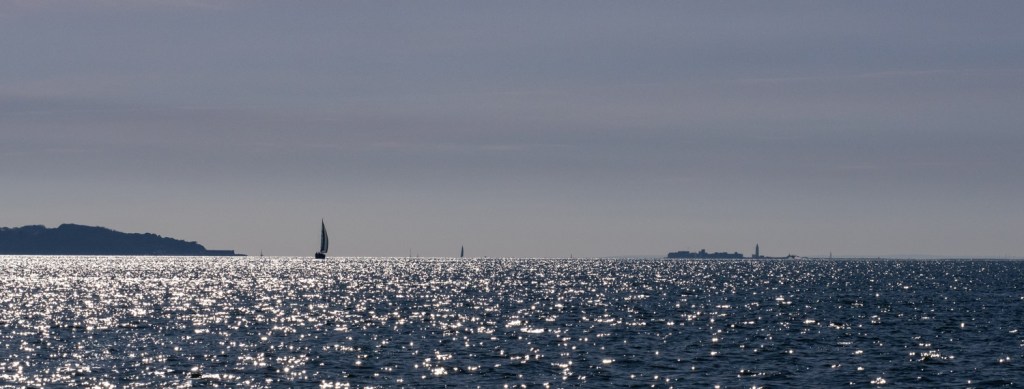
Looking down the western Solent with Newtown on the left and Hurst Point light in the distance

The weather and tides collaborated to provide ideal conditions for a shake down trip down the Solent to one of my favourite spots. Phil and Jo, fellow members of the yacht club were keen to have a sail on Molly, so we set off down wind and down tide in the sun with a picnic lunch.

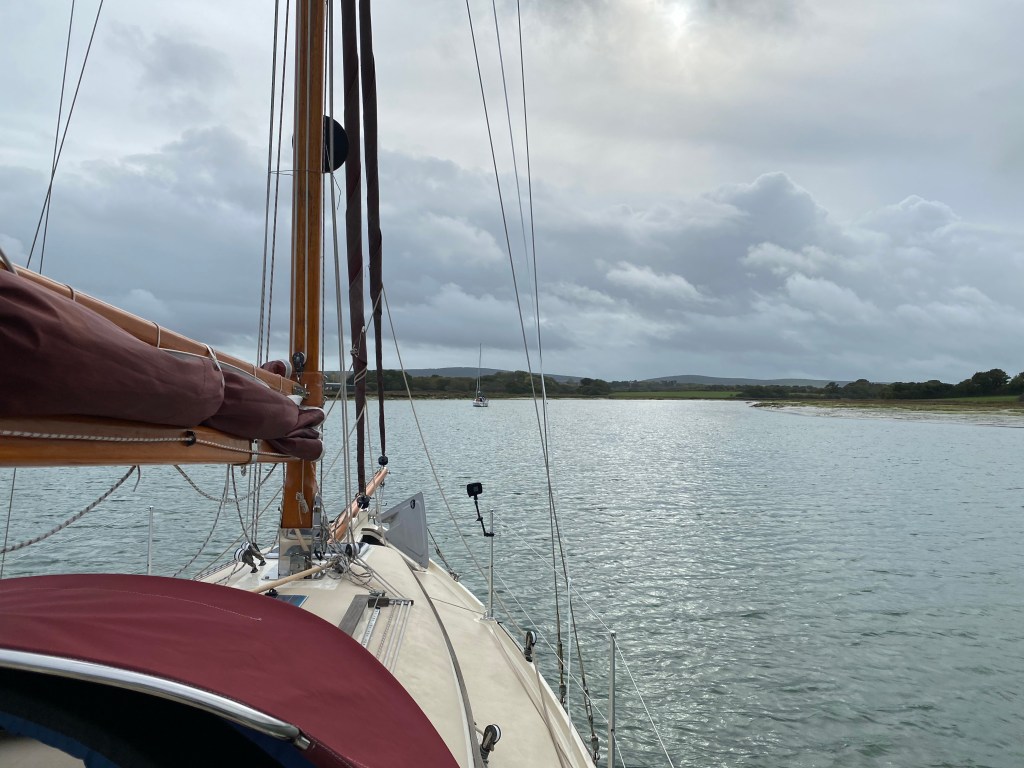
The sea was smooth, to the extent that we anchored outside the entrance to Newtown Creek to eat our sandwiches and wait for the tide to turn.

Jo and Nick at the helm
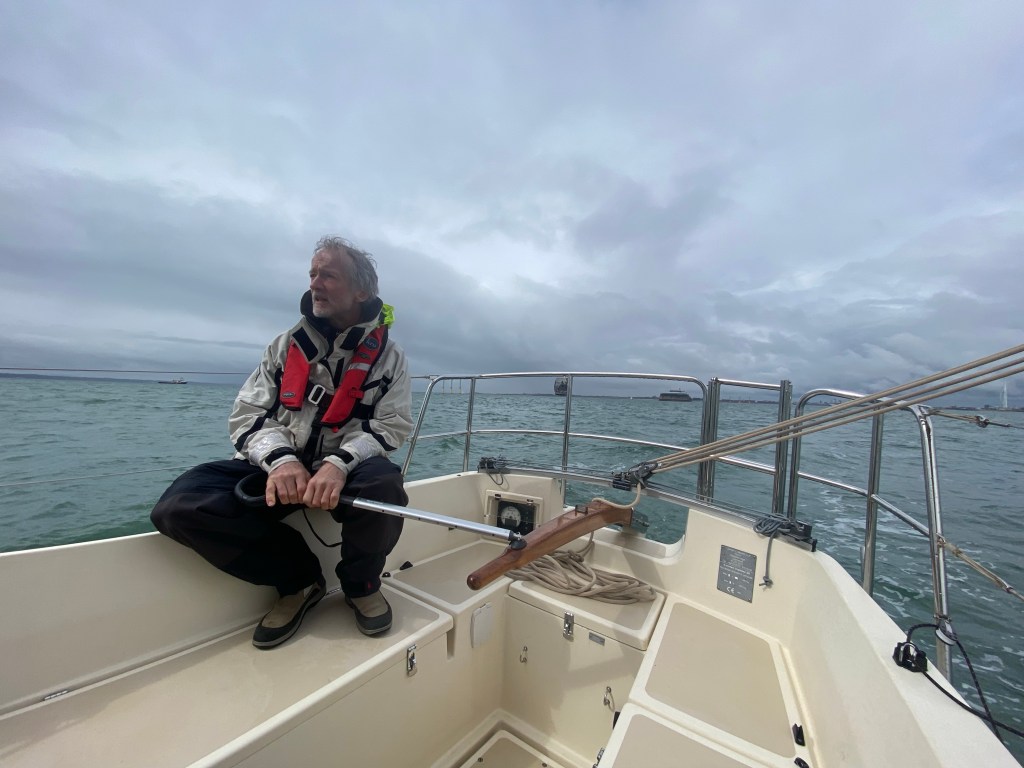
The author admiring the view

We completed the trip in a series of beats along the flood tide, with the westering golden sun, in the company of Golden Vanity, a 38ft Gaff Cutter, built in 1908 as a yacht for the maritime artist Arthur Briscoe.

Triangular mini-cruise

For the first proper sailing trip of the season, I was joined by my long-time diving buddy Trev. I did have trip to Emsworth in March but, without a mast, it wasn’t a sailing trip! However, the winds did suggest a return to Chichester harbour.

We drove down from the midlands amid bucketing rain and strong winds; it took faith in the forecast to believe we would be sailing the next day as we sat in the saloon hearing the rain hammering on the coach roof. Still, the steak and red wine helped take our minds off the weather.

In fact, the rain lasted longer than forecast and it was not until late morning we set off. To avoid sailing dead downwind, we shaped our course out past the Horse Sand Fort before gybing towards Chichester entrance. Conditions were lively there, with big rollers breaking on the sands to the West of the entrance. Once inside the harbour, the winds were still blustery but the water was flat and we made our way to Itchenor.

Breakers on the sand bank next to Chichester entrance

The plan was to pick up a visitor mooring and test the tender with a trip ashore for dinner at the Ship Inn. We had some trouble identifying the visitor moorings and eventually determined that they were all occupied by fishing boats. However there was no shortage of buoys to pick up – I’m used to the fairway thick with boats, but most seemed still ashore.

We found a good spot only a biscuit toss from the pontoon, pumped up the dinghy and went ashore. The Ship provided a pleasant welcome, nice beer and good food, after which we took a stroll round the village before returning to Molly.

Goose-winged at West Pole
Wind turbine blade carrier

The next morning we decided to hop across to Bembridge, as Trev had never visited “The Island” and, after wrestling the dinghy down into the locker, we set off. We were dead downwind leaving the harbour and Molly was goose-winged out to West Pole, whereupon we gybed onto a lovely reach across to the Isle of Wight. As we approached Bembridge, I could hear nothing on the radio and there was no answer at the marina. The website informed me I could book a berth online, but only by giving more than 24 hours notice. I worked all this our as Trevor guided Molly through the channel into the marina, so we made a somewhat precipitate approach to the nearest available berth and tied up. It was just as quiet at Bembridge as it had been at Itchenor and it made a lovely change to moor on the easier to access South side of the pontoon.

Plenty of space at Bembridge

This gave us plenty of time for a lovely walk up to Seaview and along the beach before looping back along footpaths through the countryside, followed by a pleasant meal at the Vine Inn.

Our triangle was completed the following morning by our departure on the high tide and a short hop back to Gosport. This was my first run into Molly’s new berth, which involves a whole lot less manoeuvring in reverse.

Molly’s new berth
Trev at the helm

Stepping the mast

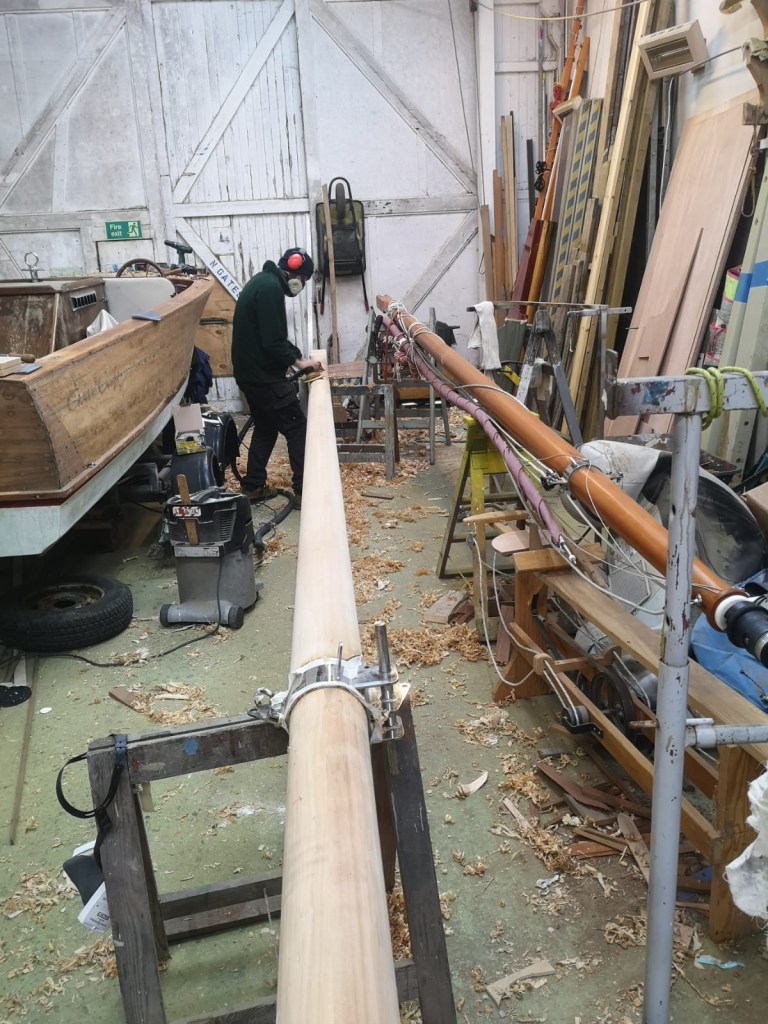
Mollys mast in the workshop

The fully refurbished mast is ready for stepping! Sporting glossy new varnish, rot fixed and anchor light replaced, it looked absolutely lovely. I had decided that rather than having the mast delivered to the club, I would take Molly to the mast and have a winter weekend away. I had been watching the weather leading up to the proposed date and was delighted to be treated to calm and settled conditions, even sun!

So it was. I slipped the moorings in Gosport and motored out into the Solent, through the dolphin, past Langstone and made Chichester bar beacon in good time across a waveless sea and warm sun. The warmth turned out to be due to the lack of wind; I had been motoring downwind, so the apparent wind was almost nil – as soon as I turned up into Chichester, I noticed the bite even though the breeze was not strong.

Motoring out of Portsmouth. Andy “the arm” Autohelm was sporting a new rain cover freshly made by Niki. Not really needed on this occasion but very smart!

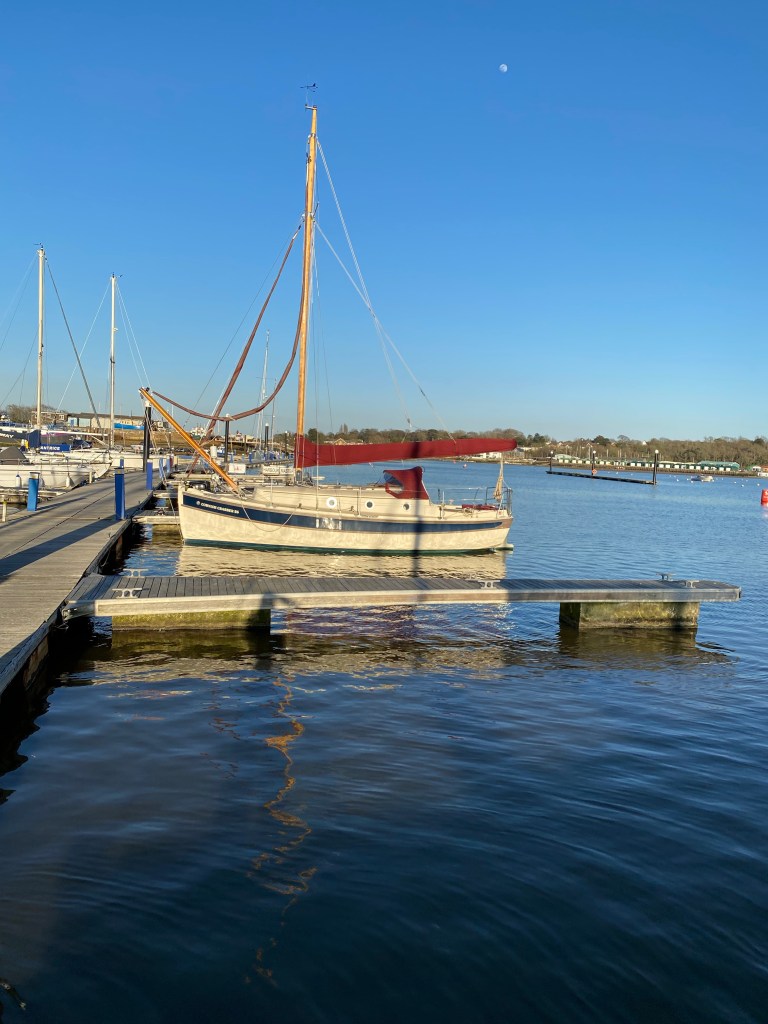
My destination was Emsworth marina, reached by a tidal channel and crossing a cill. Without the moorings to guide, the channel was harder to follow, but I soon slid into my assigned berth.

Doesn’t look like February

I then spent the rest of the afternoon dressing the mast ready for stepping the next day. This took quite some time – the “knitting” needed unravelling and laying out neatly and I wanted to make sure the job was done right, as it would be massively inconvenient to discover a mistake after the mast was raised.

The “knitting”

I completed the task in good time, before taking an early evening walk into the town of Emsworth – very picturesque but not much to see in the dark. I made a mental note to come back in the summer with Niki. Returning to Molly, I was heartily glad of the heating system as the clear day gave way to a cold night.

The following morning, I was greeted by the yard manager who was ready first thing to step the mast, so I chugged over to the crane quay and the mast was very efficiently stood in its proper position. I then had the rest of the day to rig the sails and spars, a task which I completed just after high tide in the early afternoon, with only a few mistakes and “replays”. The task always takes longer than expected!

Lowering the mast into position

Emsworth is a lovely place. It’s very peaceful and there is a lot of wildlife around. I especially love the coots with their comedy party hooter calls. However, there is an ever present rumble of traffic from the nearby main road, which the brain quickly tunes out but is always evident whenever I shot a film clip. The water is also very active and it feels like being moored in a river when the water pours in or out over the two cills.

On the falling tide, water rushing over the cill. It created quite a strong current on my berth.

I made my farewell to the boatyard, and as I motored out, Nick the shipwright noticed that I had left my GoPro bolted to a post on the pontoon and grabbing it, dashed onto the last boat and handed it to me as I passed by. Phew!

Nick ready to hand me my camera back, as I passed

I had Chichester harbour almost to myself, with one or two motor boats and a lone racing dinghy being all I encountered in what is usually a very busy stretch of water. I made for my favoured anchorage at Pilsey Island near Itchenor.

Sunset reflected on the mud

Once securely anchored, I completed the final rigging task, that of bending on the main sail. I had envisioned sitting head to wind at anchor and therefore attaching the main sail would be a breeze. However, I had not taken the tide into account and Molly Sat broadside on to the wind, which made my task much more interesting! Nevertheless, I completed just as the sun made a spectacular sunset. This is always a marvellous place to spend the evening, but was particularly magical tonight as the wind stilled and the sky was filled with pastel colours with the sounds of the wading birds drifting across the waters. I retired to bed after a welcome hot chilli I had brought with, happy that Molly was complete again and ready for the new season.

Mast woodwork complete

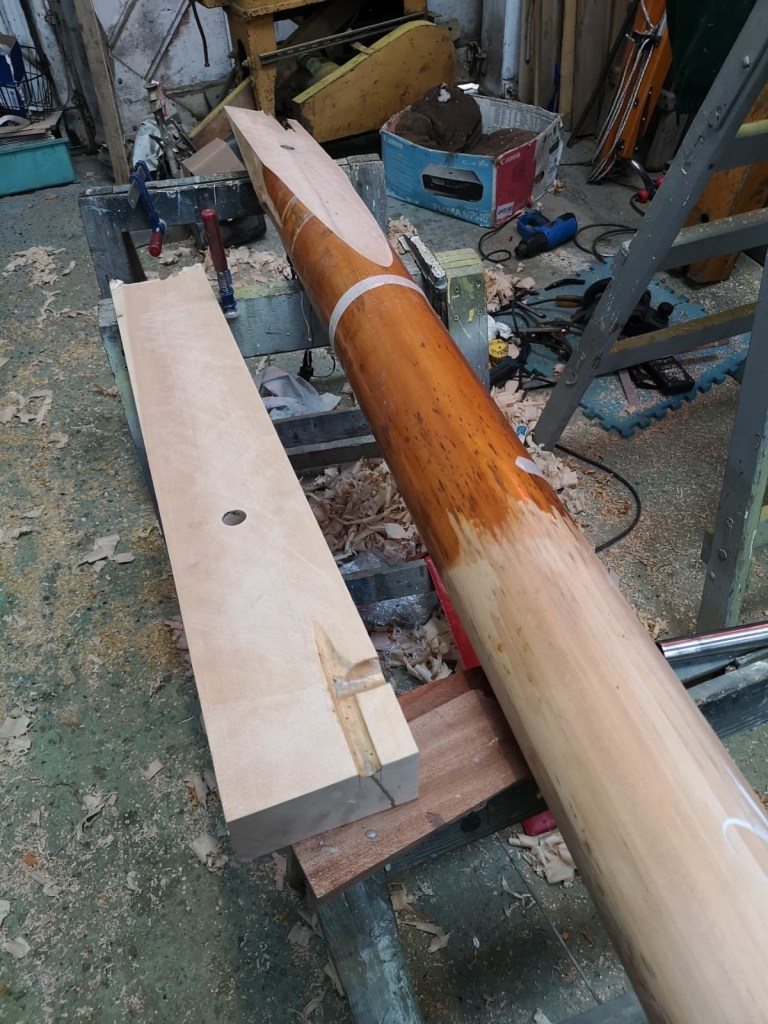
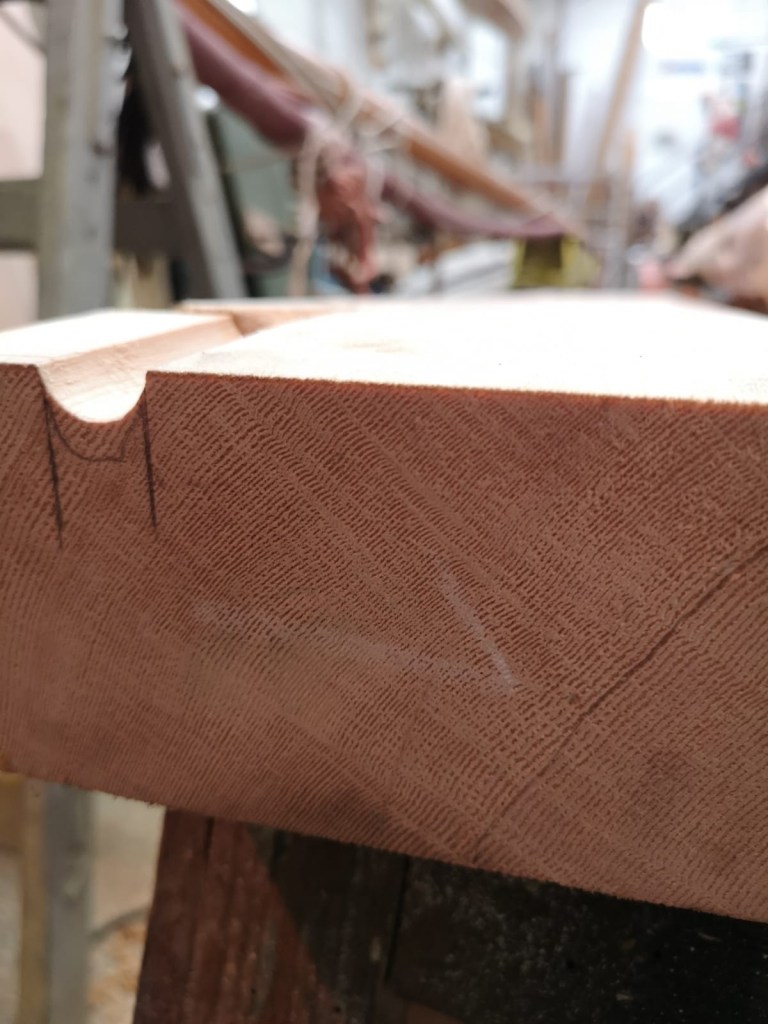
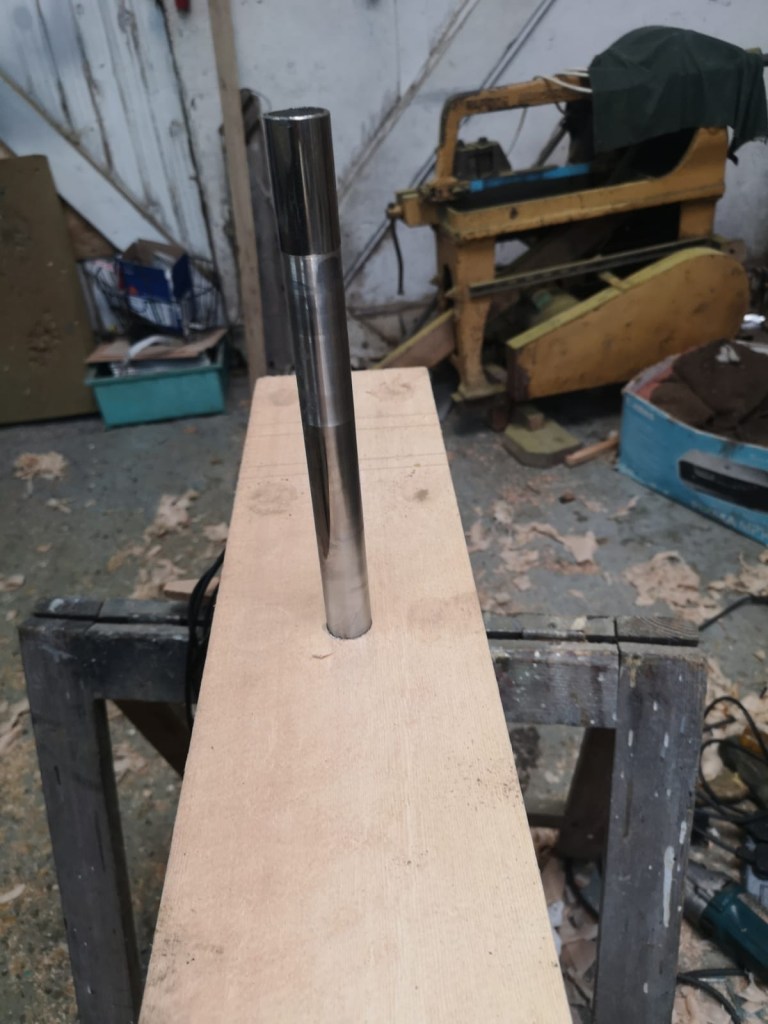
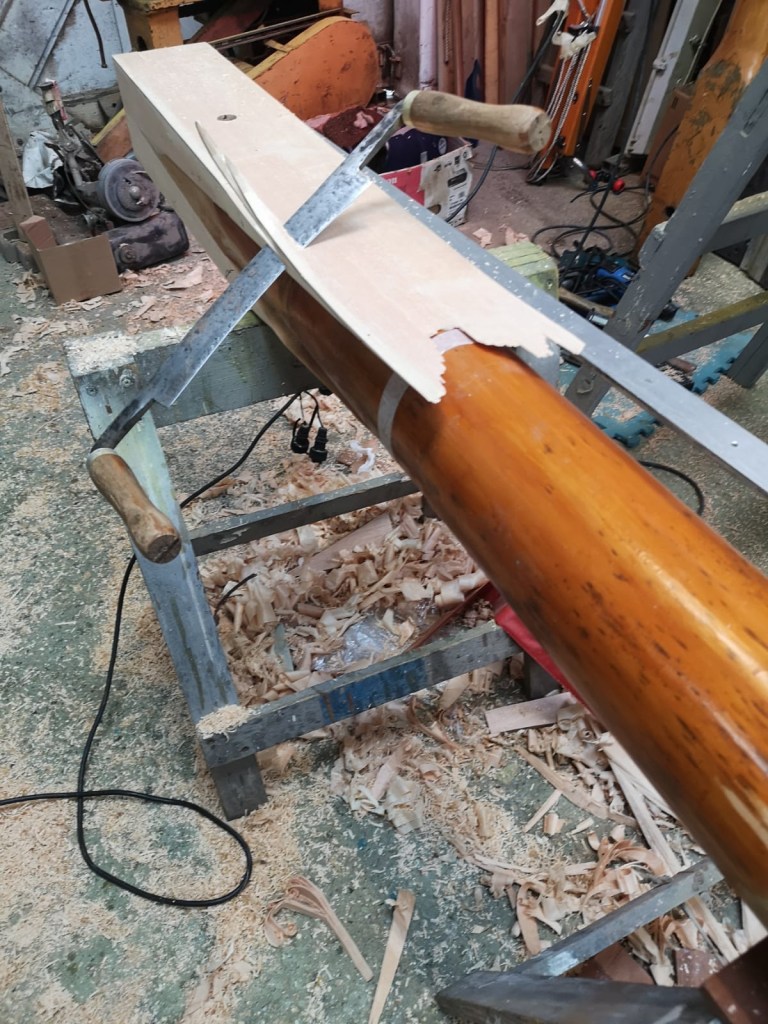
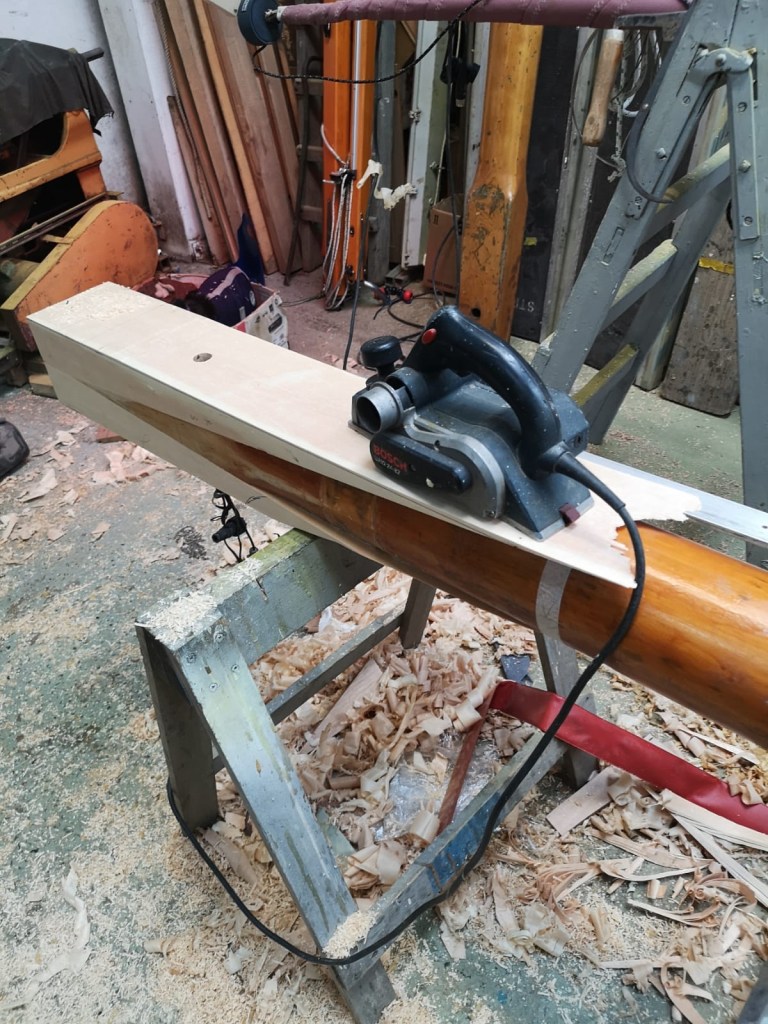
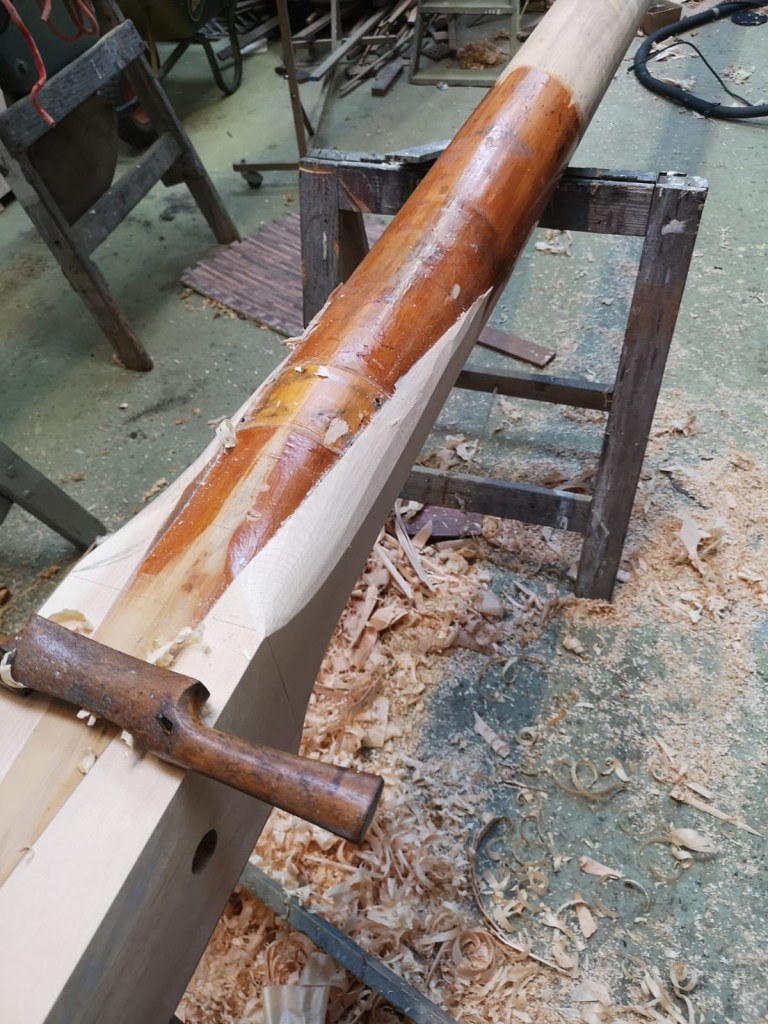
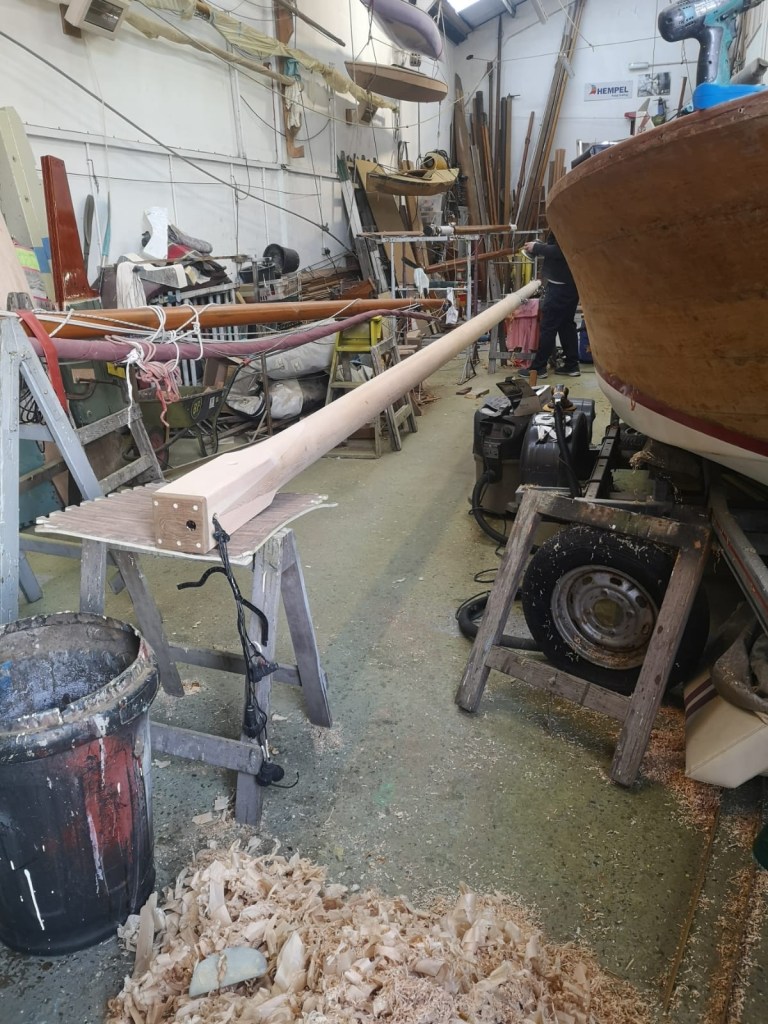
I was very happy to receive these photos today from Nick Gates, the excellent shipwright repairing the rot on Molly’s mast foot. They tell the story of how the scarph is carried out, resulting in a very elegant job, which even improves on the original.

Sitka spruce block being planed flat
New piece ready for fitting, showing channel for cables
Clamps applied!
Trimming the scarph
Pleasing shape!
Fairing the shoulders
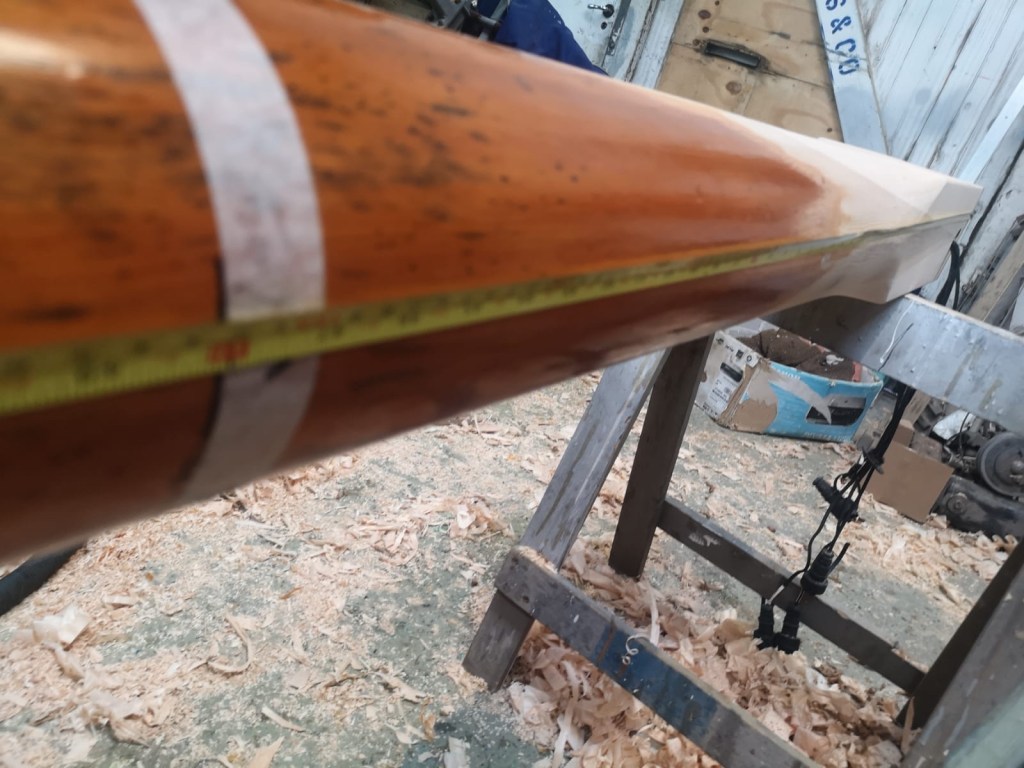
Nick put on a technical bit of tape at the start of the job, to retain the exact length of the mast
Precisely four feet from the foot
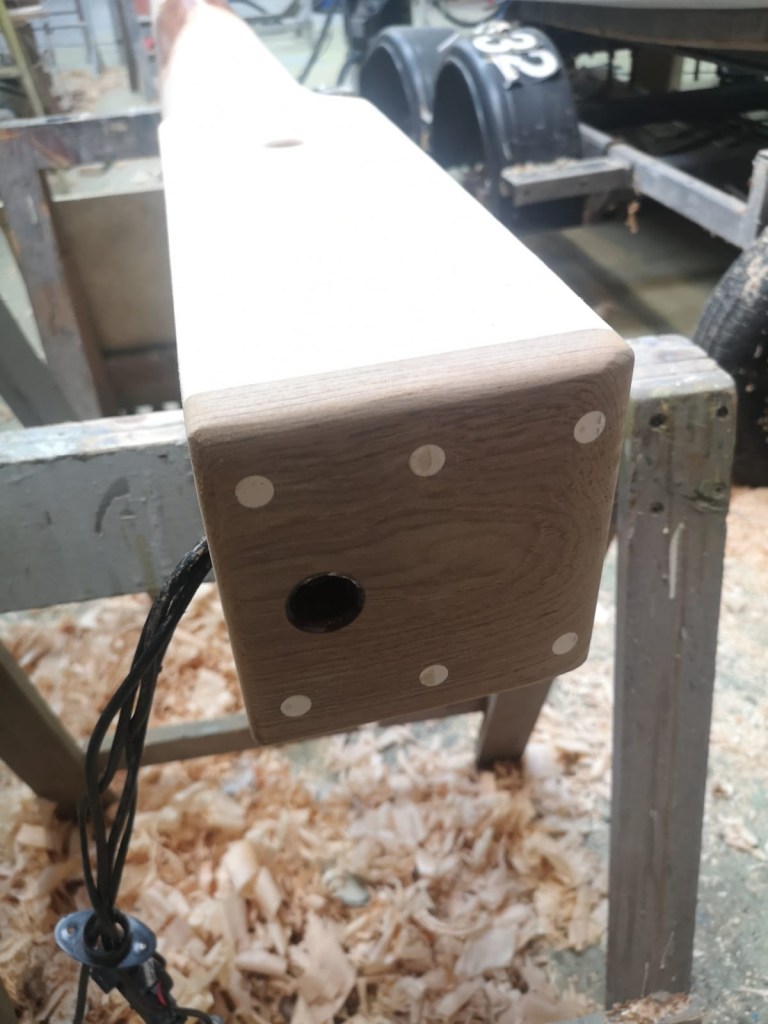
The new foot is made of teak, salvaged from the side of some steps on a Baltic Trader which was broken up 20 years ago
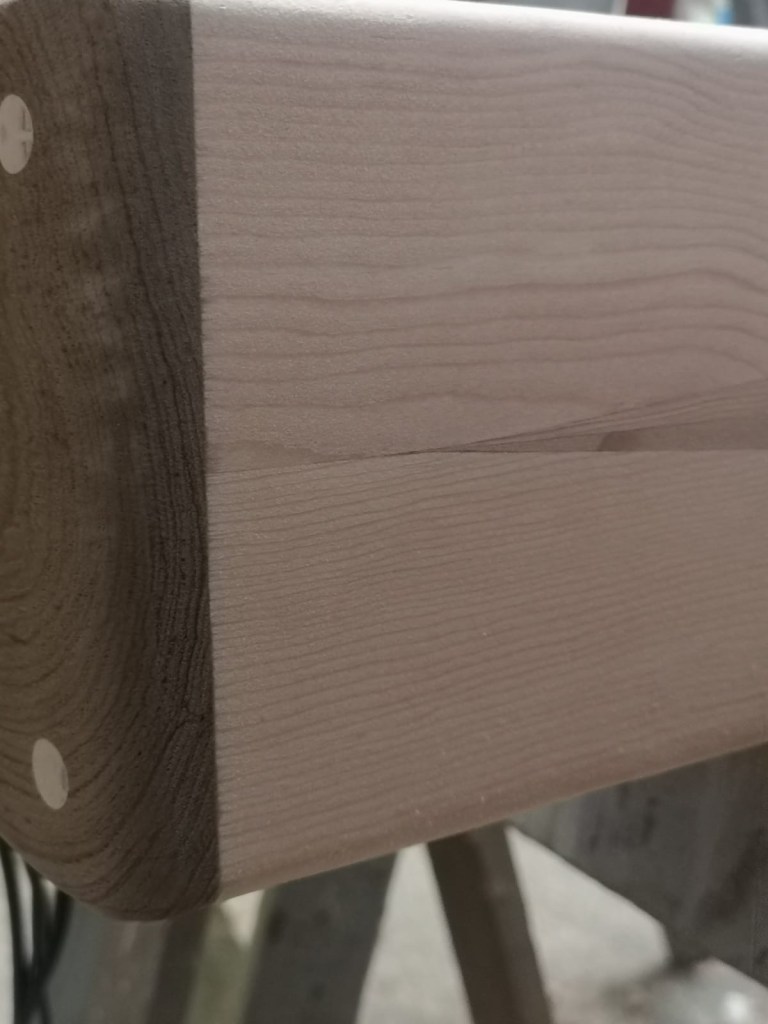
Foot is screwed on and the holes filled with epoxy and microlite (filler) mix
Finishing the surface prior to varnishing
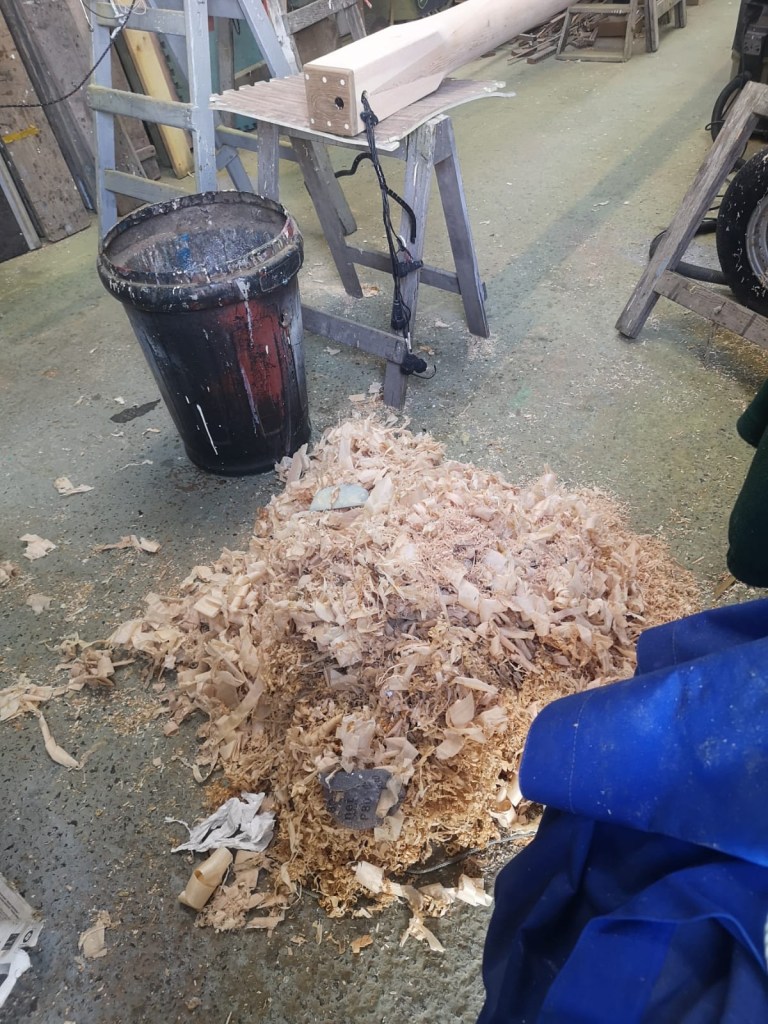
I’ve paid for a spruce block to be turned into shavings!! 😉

Mast repair

Molly’s mast lowered and ready for maintenance
The foot of Molly’s mast when we inspected it in August. In fact the rot extended inside almost up to the tabernacle bolt hole!

When we bought Molly last year, we could see that the mast needed some maintenance, but were not able to drop the mast whilst we were ashore in the yard. During the summer, we removed the mast to reapply the Sikkens coating. To our dismay, we discovered rot at the foot of the mast! This winter, work is finally going ahead to refurbish the mast: remove rotten wood, scarphing new timber and adding a hard wood cap to the foot of the mast which will protect the end grain of the spruce. Whilst we’re at it, we’ll change to coating to a more traditional varnish, which will allow us to better see any signs of water damage to the wood and, I feel, give better protection to the wood, albeit at the cost of annual or biannual sanding and topping up the varnish. Here’s a video of our trip to see the shipwright Nick Gates, who has been assessing the work, before completing the refurbishment of our mast.

Leathering the gaff saddle

On traditional gaffers, the gaff jaws are often covered in leather to help them slide along the mast and prevent wear on the mast. Whilst the Crabber 26 is not a traditional gaffer, I do like the “leather look” and it’s not that hard to do.

When we bought Molly, I noticed there was quite a bit of wear on the mast where the gaff saddle sits, especially in the position when the sail is furled. Some wear is inevitable on a gaffer, but it seemed excessive. Inspecting the gaff saddle, which is a pretty substantial piece of stainless on a Crabber 26, I could see that it was lined with a piece of plastic resembling a vinyl floor tile. Over time, this had cracked and split at the edges and appeared to be the cause of the wear. One thing I’ve long made a habit of doing when moored is to use an extra line to secure the boom towards the stern quarter and stop it moving. I’m sure over time, the constant shifting of the boom considerably adds to wear where the gaff saddle sits against the mast.

I have some experience of leathering gaff jaws on my previous boat, but the design of the gaff jaws is quite different on the Crabber 26 to my previous boat, a Cape Cutter 19. I took advice from those in the know, and Sue Pennison in the Solent OGA was very helpful. She suggested a “sandwich” arrangement using a saddle stitch. I bought my materials from Classic Marine in Suffolk, costing about £40 for the whole job. They supply pieces of the correct type leather; you simply specify the size you need and they charge you by the square foot (!). They also see tough rot-proof twine and sail-makers needles. Before starting, I took a diploma at the University of YouTube on how to do the saddle stitch (easy!). The photos below show the main stages in the process.

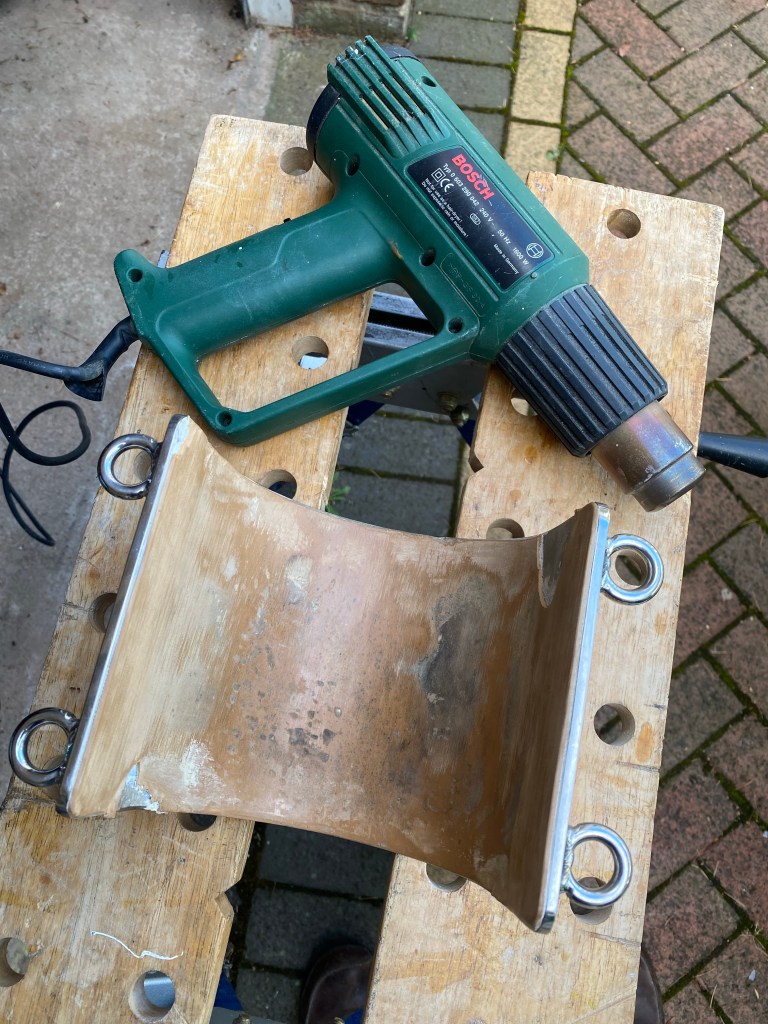
The condition of the gaff saddle when I started; you can see the damage to the original lining which I think was the cause of my mast wear.
I used a paint stripper to warm the plastic and soften the adhesive – this made removing the material much easier, but I was careful to minimise heating of the metal.
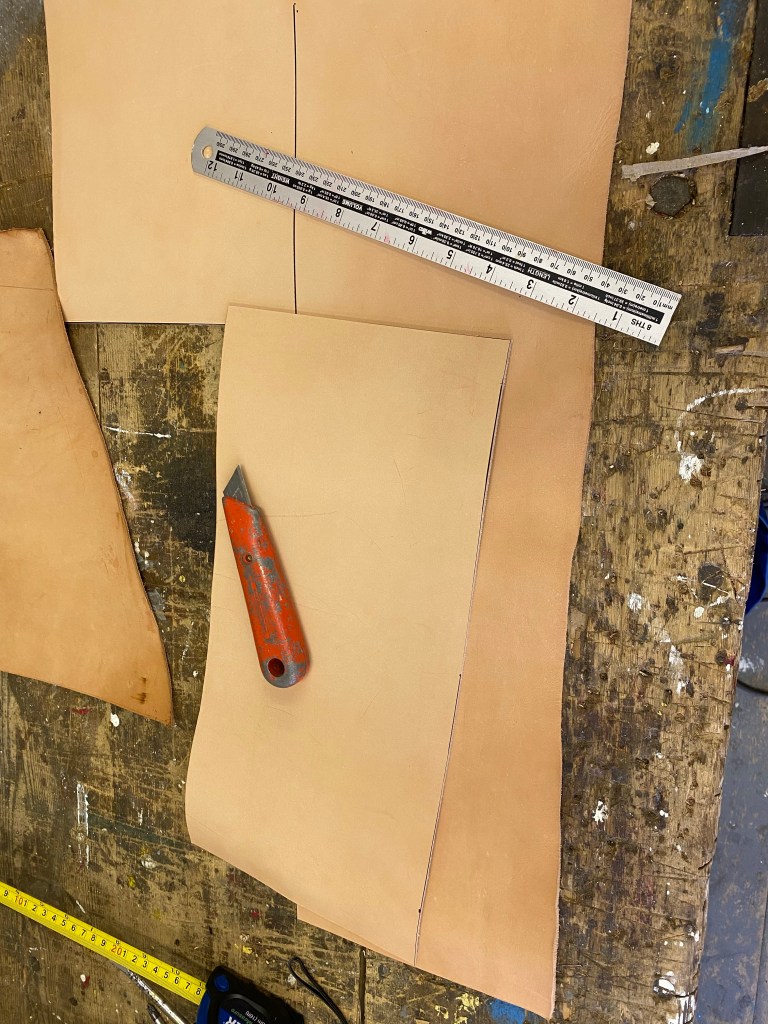
The leather was supplied in large rough cut pieces. After very careful measurements, I cut a piece which was the correct height (allowing for a 5mm seam top and bottom) but over-long, because I was not sure how much length I needed as the leather was stitched around the curve.
The trickiest part was making cut-outs for the various fittings on the back of the saddle. Despite my careful measurements, I did make one mistake (one of the large slots was too big). Measure twice (or more!), cut once… Fortunately this error does not show when the saddle is fitted. You can see I drew an outline of the metal and then added the seam allowance.
Trial fitting of the outer section.
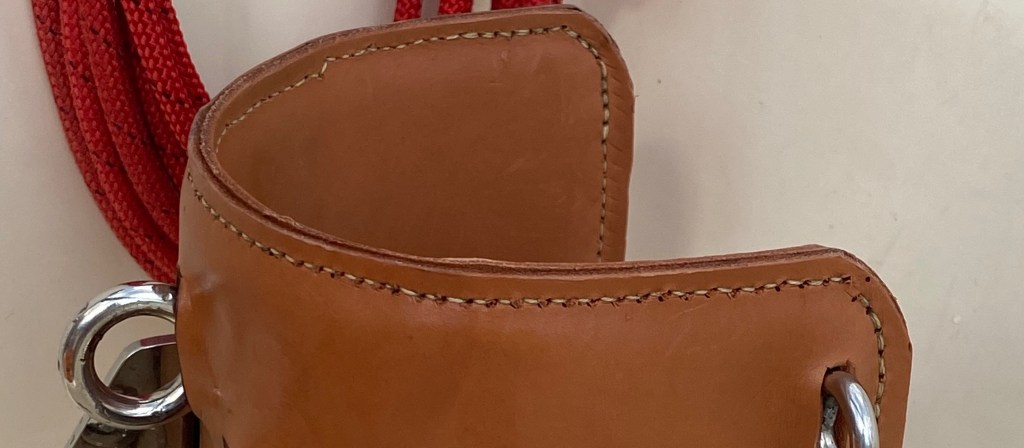
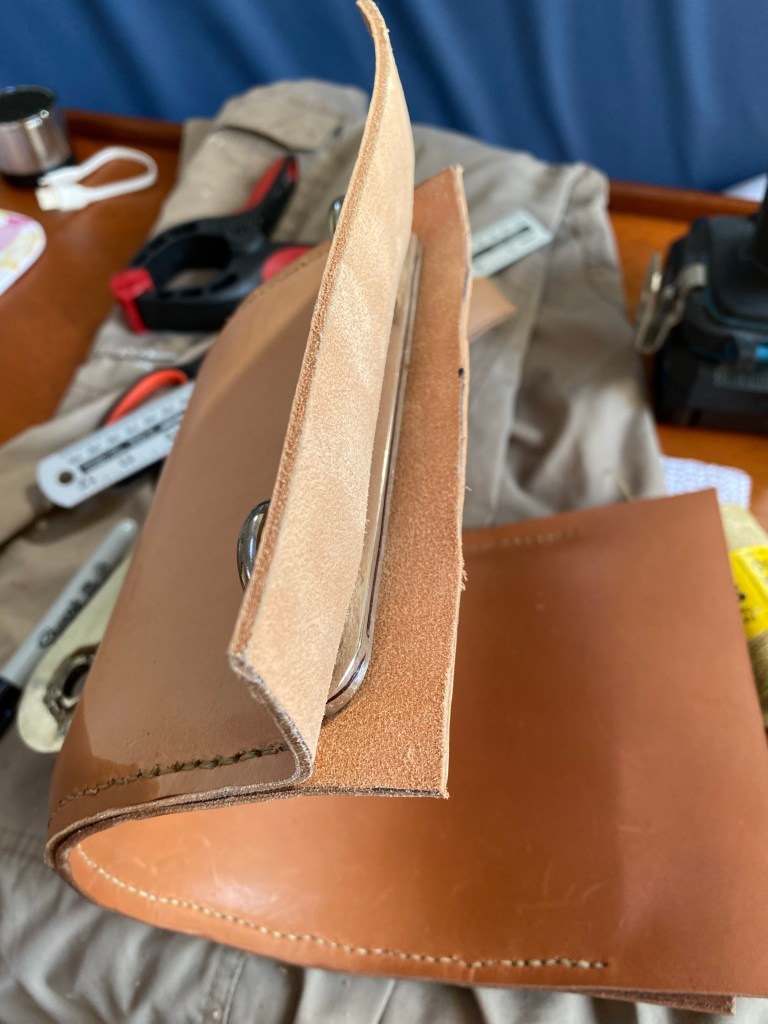
The inner piece was very easy to cut. I measured along the leather with my trusty Portland dividers, and marked with a sharpie where the holes should be, so the stitching would look even. Before fitting, I wetted the leather, to make it more supple. I held the sandwich in place with small clamps and then drilled holes. I made the holes in small batches, so that the position would be right, as the leather conformed to the curve of the saddle. Saddle stitch is a very easy stitch, using two needles cross-crossing each other. Very satisfying work!
Top and bottom now stitched. The leather is ready for trimming to size at the ends.
The ends now trimmed to size. I let the leather dry and then cut with a good pair of scissors. Note the holes drilled in measured positions, ready for stitching.
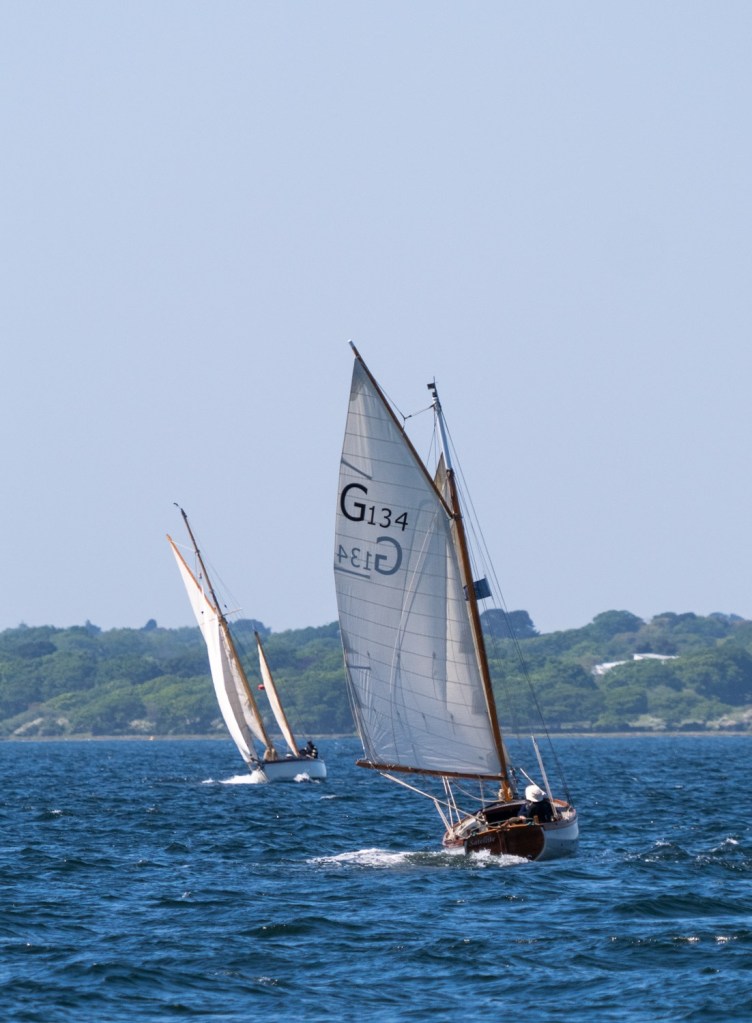
The finished work! Overall I’m really happy with the result – looks great and, a few months later, much less wear on my mast.

Newtown night

Anchored in Newtown Creek

Autumn weather is often volatile, but offers lovely opportunities if you pick your moment. This weekend was a case in point. With three days of sailing available, I wanted to travel a little further afield but the forecast showed that that would be a little unwise. Accordingly, our plan was to take advantage of the best weather day and make a shorter trip to the lovely anchorage at Newtown Creek, dodge the showers the following day to return to port and hunker down for the next day of wind and rain.

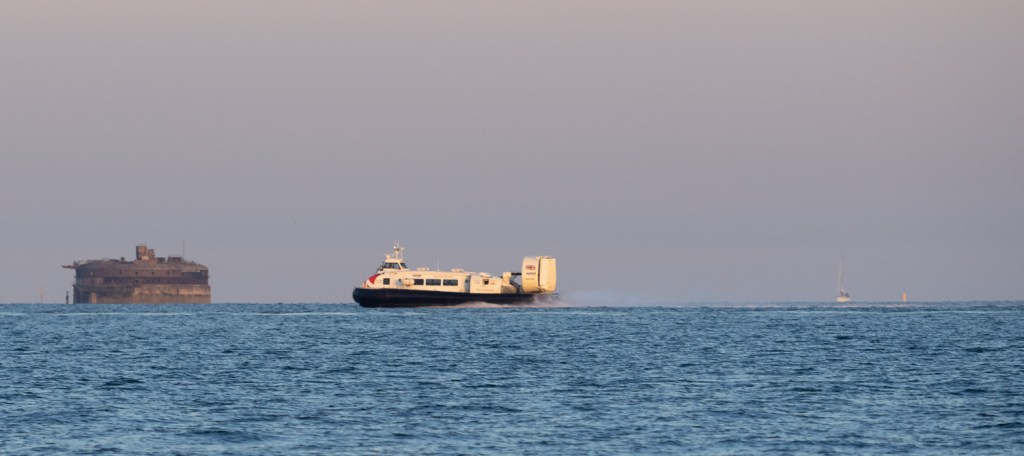
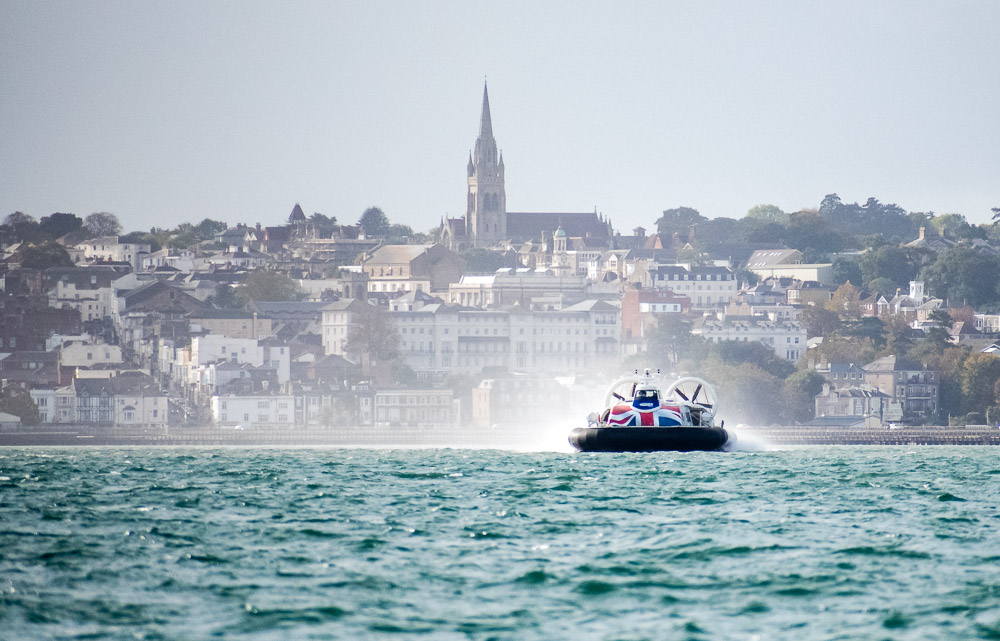
The busy hovercraft heading for Southsea
The coastguard helicopter lowers a wire to the inshore lifeboat.
Crew in the air! First lowered into the lifeboat and later recovered again back into the helicopter.

We had a bright and spirited sail down the Solent from Portsmouth. Having motored out of harbour and along the shore to Gilkicker, with a plan to sail along the northerly shipping lane from Spithead towards Bramble. However, with the SW breeze, the mainland shore of the Solent was pretty choppy. We had a good tide under us, so we put reefed main up and took our first tack across to the island shore. Sure enough, the sea was much smoother when we tacked off, passing close to Cowes. There were plenty of other yachts out, as you might expect on a sunny Saturday and almost no commercial traffic to avoid and the coastguard helicopter provided an interesting display. We needed only one more adverse tack to bring us outside the entrance to Newtown Creek and had averaged about 6kt.
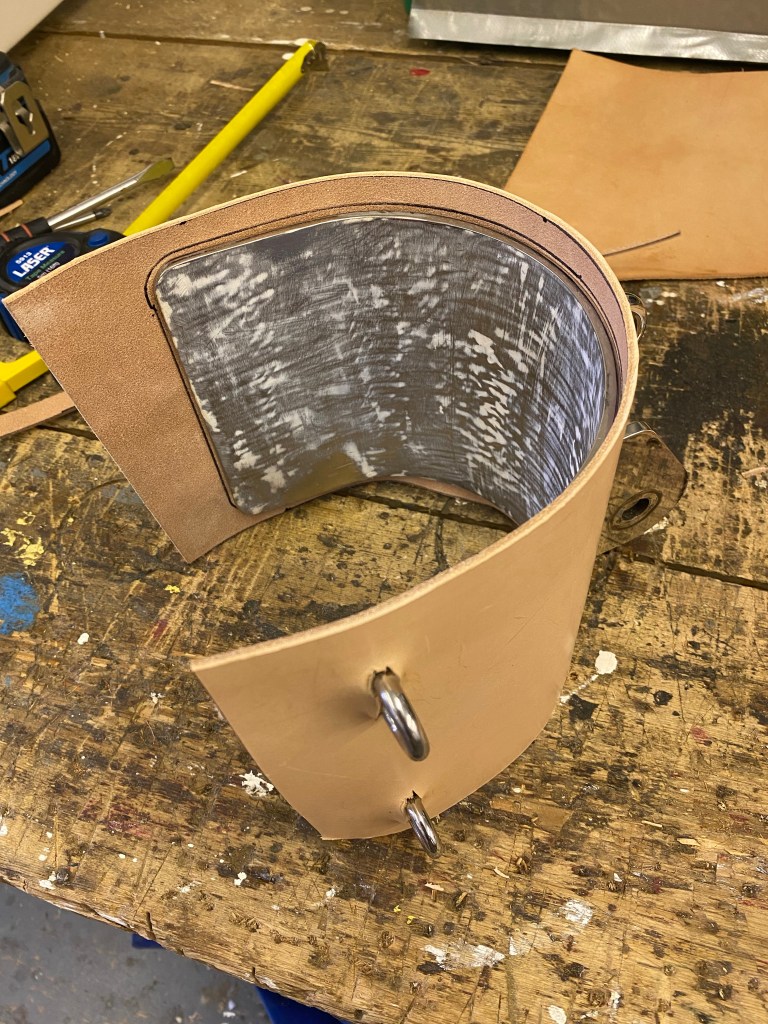
I have anchored at Newtown Creek many times previously, but this was only Niki’s second time. Newtown Creek is where the confluence of several small rivers empty into the Solent. It offers shelter from every wind direction and is a haven for wildlife. Understandably, it’s a very popular anchorage, so best avoided at peak times but at this time in the season was not too busy. Most craft pick up a mooring near the entrance, but we decided to pass West, up past the dinghy sailing club at Hamstead and dropped our anchor just past where the moorings end. We had the birds and just one other yacht for company and passed a relaxing afternoon. The best of the day was behind us and we listened to the showers periodically rattling onto the cabin roof.

Casserole cooking

I’d brought ingredients to make a steak and kidney casserole, prepared in our thermal cooker and accompanied with a nice bottle or red wine. The creek is a very peaceful place and I always love to hear the water chuckling under the boat as the tide gently ebbs and flows, coupled here with the sound of the wind and the curlews. During the night, we had a few thunderstorms pass over and awoke to a rainy Sunday morning. Ideally, we’d have made an early start to use the flood to return to port, but I decided we’d wait till mid-morning when the rain was forecast to have passed.

Sailing back up the Solent towards Portsmouth, we had a light sailing breeze and a foul tide. We made good boat speed, but slow progress over the ground. At first, we tried very close inshore to the Island, but the reduction in wind was more than the reduction in tide, so we worked our way further out again. As we passed close inshore to Egpyt Point approaching Cowes, we could see walkers on the promenade moving faster than us, so we put the engine on so we could pass the busy harbour entrance quickly.

Approaching Cowes

The wind backed during the morning and we ended up being headed over towards the Lee-on-Solent shore and needed to tack to pass around Gilkicker Point. Up to this point we had enjoyed bright sun and relished our leisurely sail up the Solent, but I could see the forecast bad weather approaching, so we motorsailed our beat up to the harbour entrance.

Look behind you! Weather on the way…

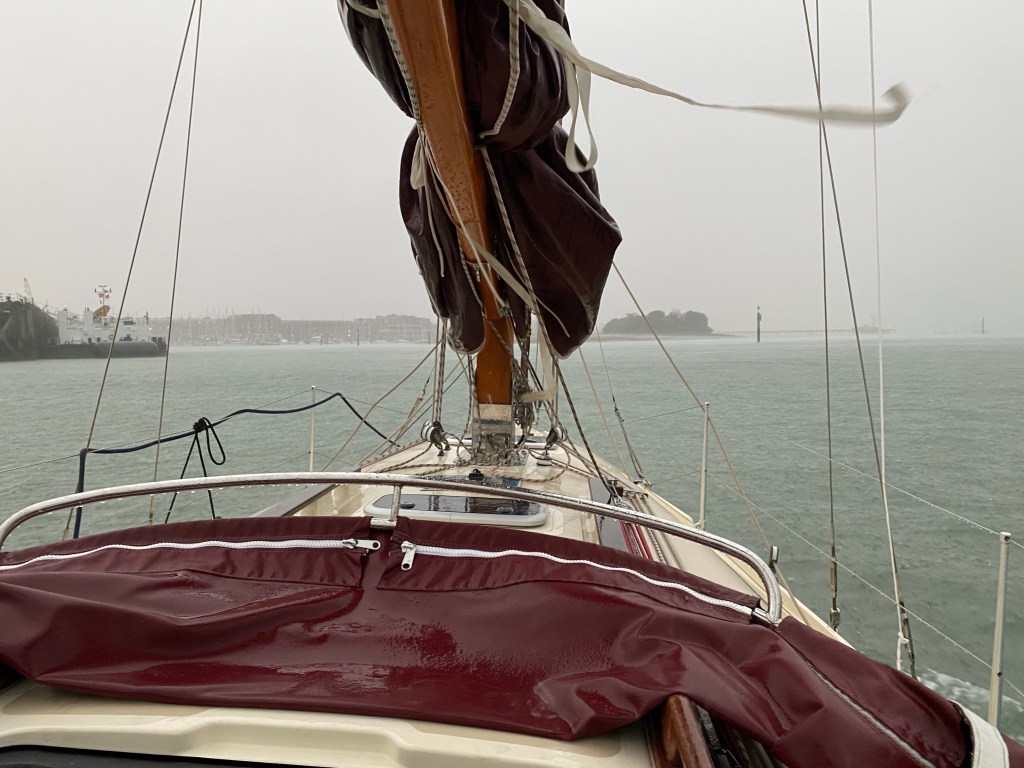
As we motored into harbour the black clouds overtook us and I hurriedly got the main down and bowsprit raised as we entered (I usually wait until we’re well inside the harbour); it was just as well, because we were battered by a squall of heavy rain and hail, as well as thunder and lightning – just as well that we are familiar with the harbour and were not put out by the 50m visibility. Fortunately, the bad weather was short-lived and we were soon, dripping wet, back on our berth.

…the weather arrives with a vengeance!