Tag: Pilot cutter

An ending at Enkhuizen

At Hoorn, we were joined by Alice and her friend Leah, who had been inter-railing together since finishing their exams in June.
The first battle of the Zuiderzee
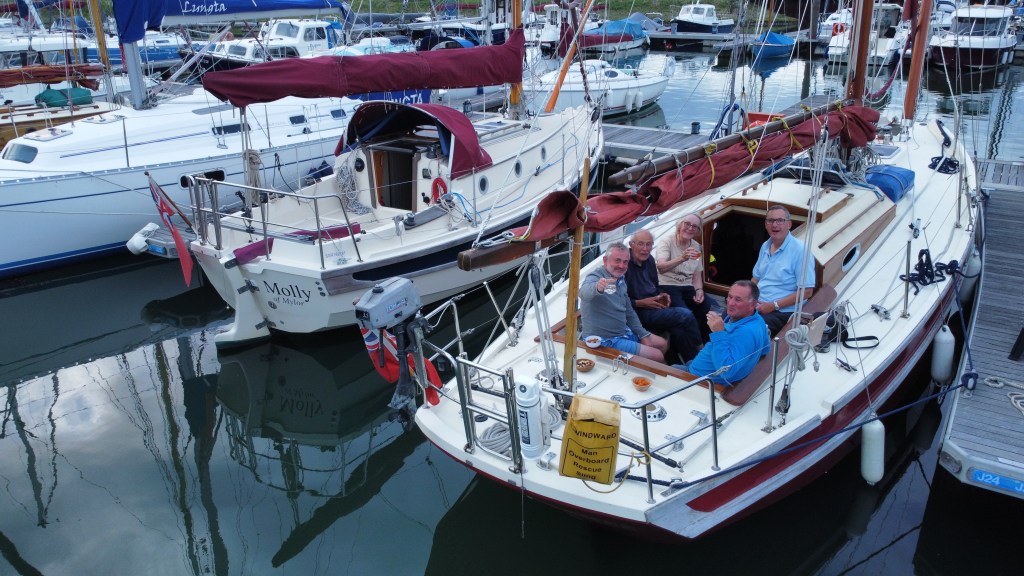
Molly and Lahloo rafted at Hoorn
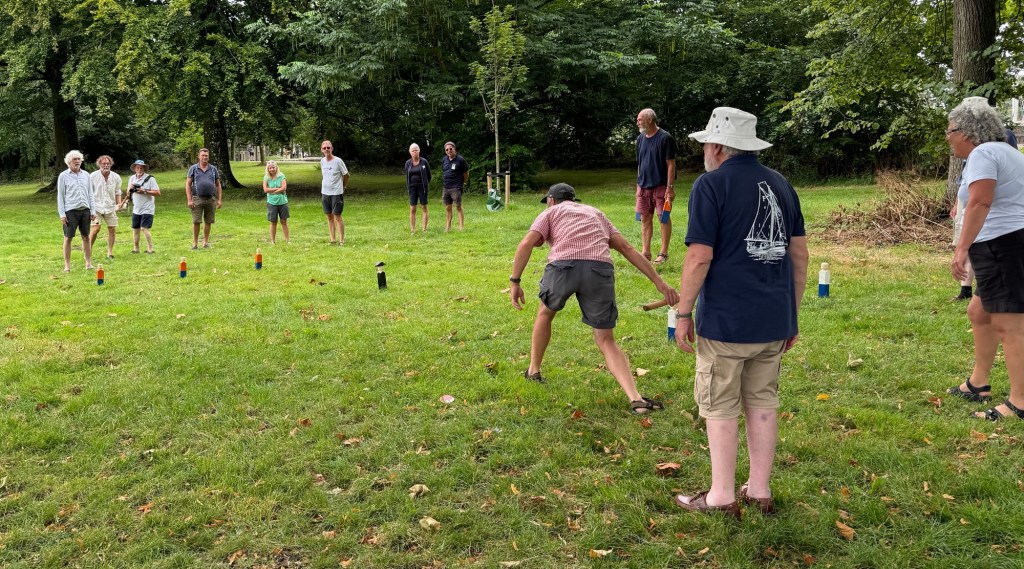
Games in the park

We enjoyed two nights in Hoorn, and on the second hosted an exchange meal aboard Molly. Each English crew was paired at random with a Netherlands crew, in order to further foster Anglo-Dutch friendship. Our guests were Maud and Freek, of Bluebird, a beautiful wooden 1912 Bermudan racing boat. We were treated to wonderful platter of local smoked fish for a starter and team Molly reciprocated with coq au vin from the thermal cooker. The gin and tonic aperitifs, followed by some lovely red wine ensured a convivial evening.
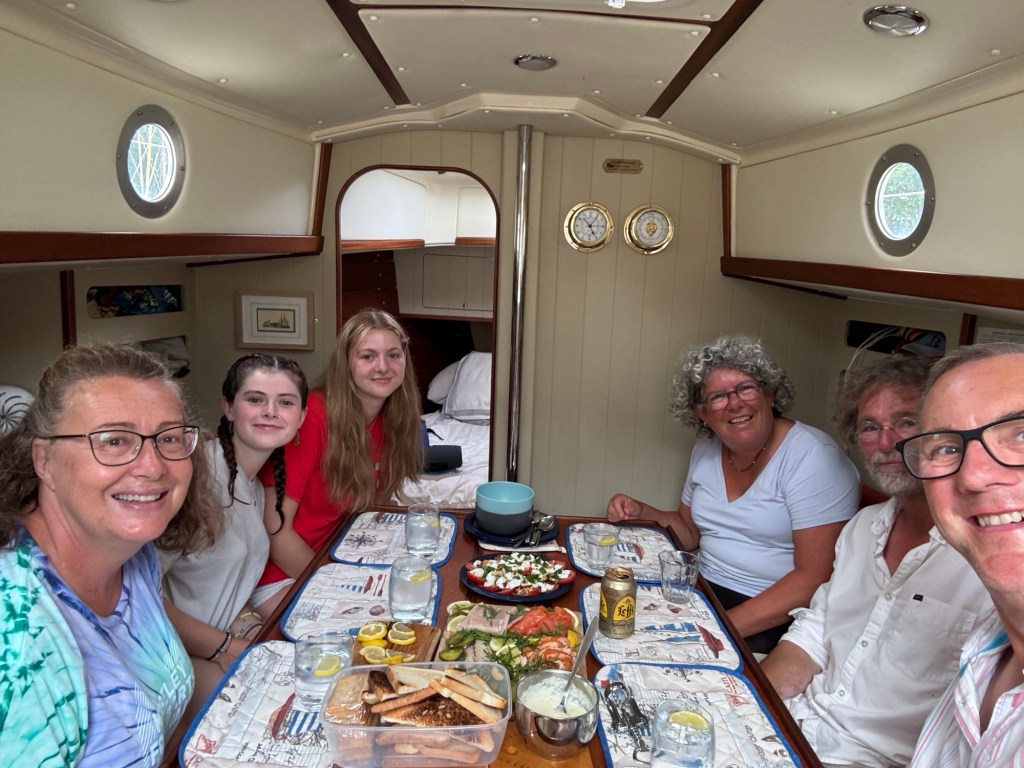
The crews of Molly and Bluebird sharing an exchange meal aboard Molly

The next morning was A-level results day for the girls, an entirely electronic affair conducted with the traditional IT struggles but both girls were delighted to gain the grades they needed for their chosen university.

Celebratory fizz!

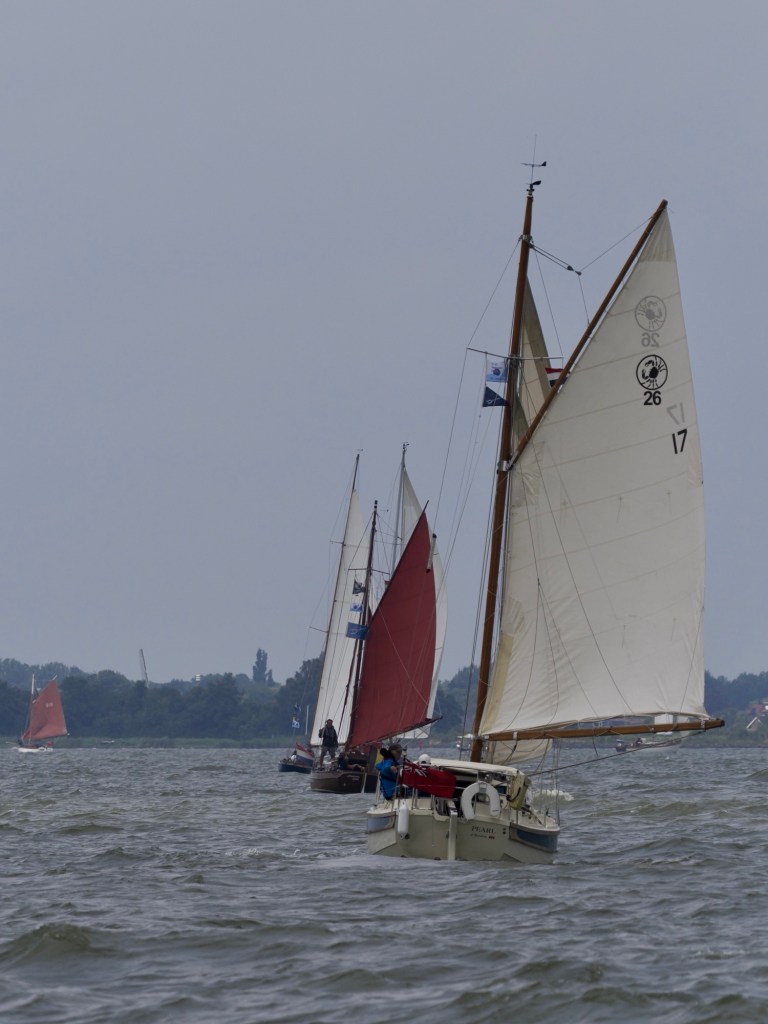
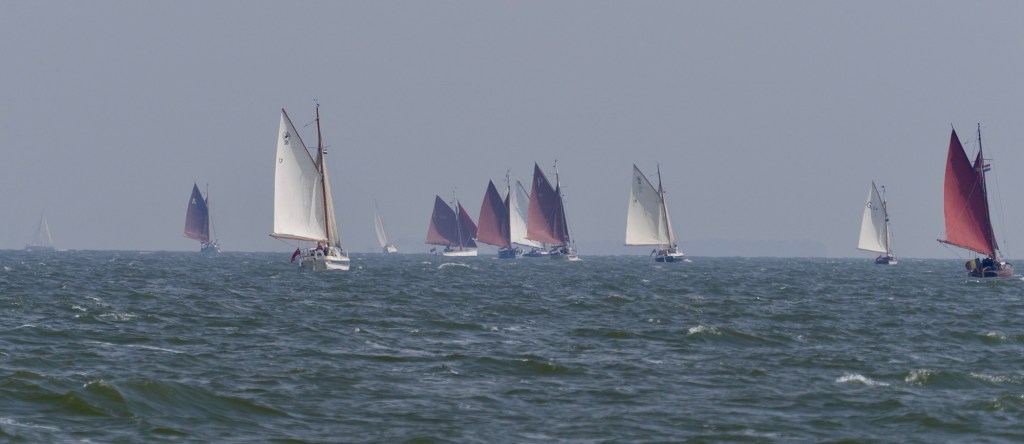
After the very light airs for most of the passage to Hoorn, we were treated to a marvellous sail, off the wind for the final outward leg of the rally from Hoorn to Enkuisen. The fleet made a terrific sight spread out across the bay and we soon arrived at the sluis which transferred us from one body of fresh water to another, the Markermeer into the IJsselmeer.
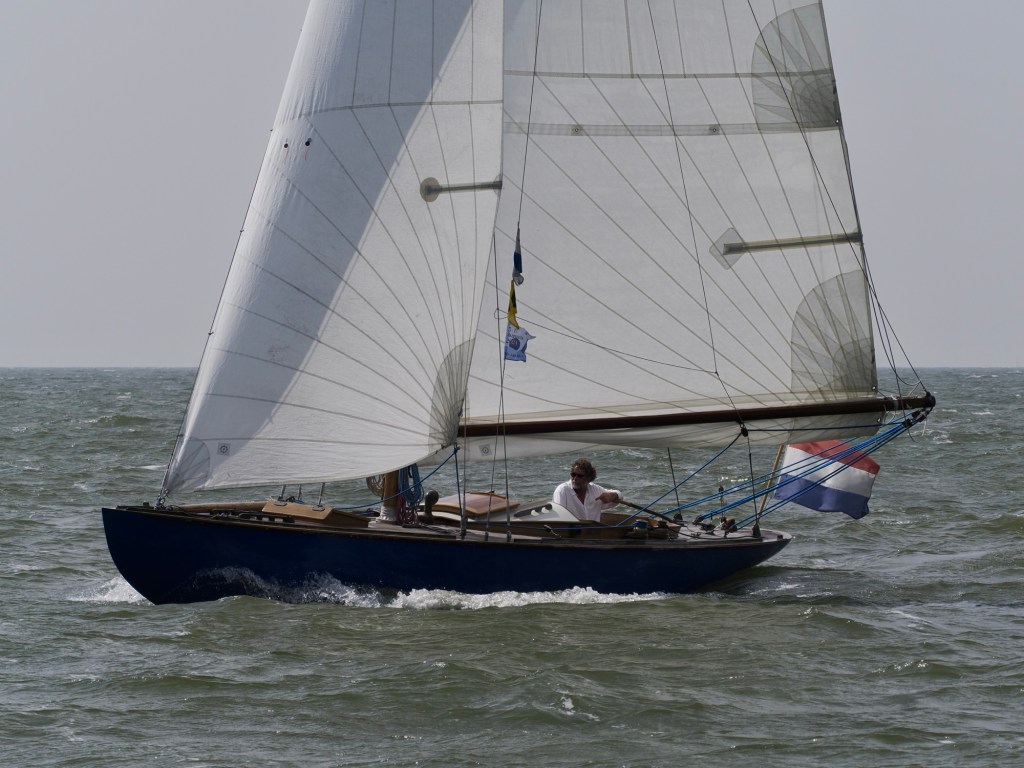
Freek at the helm of Bluebird
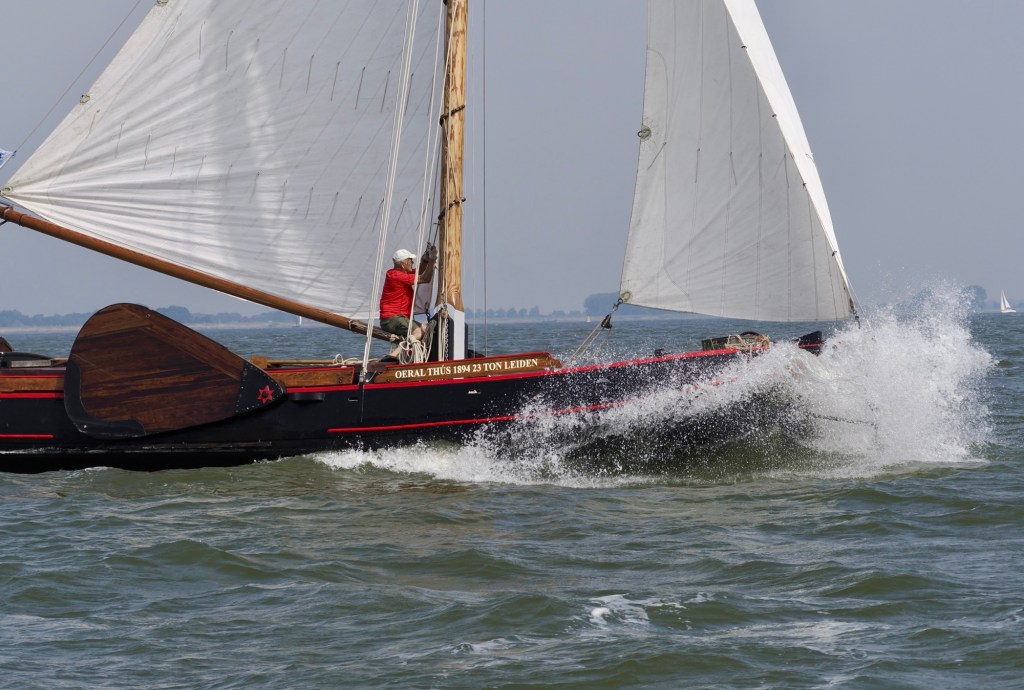
Oeral Thùs (name means “at home everywhere “) powering along. She is a sailing barge dating from the end of the 19th Century
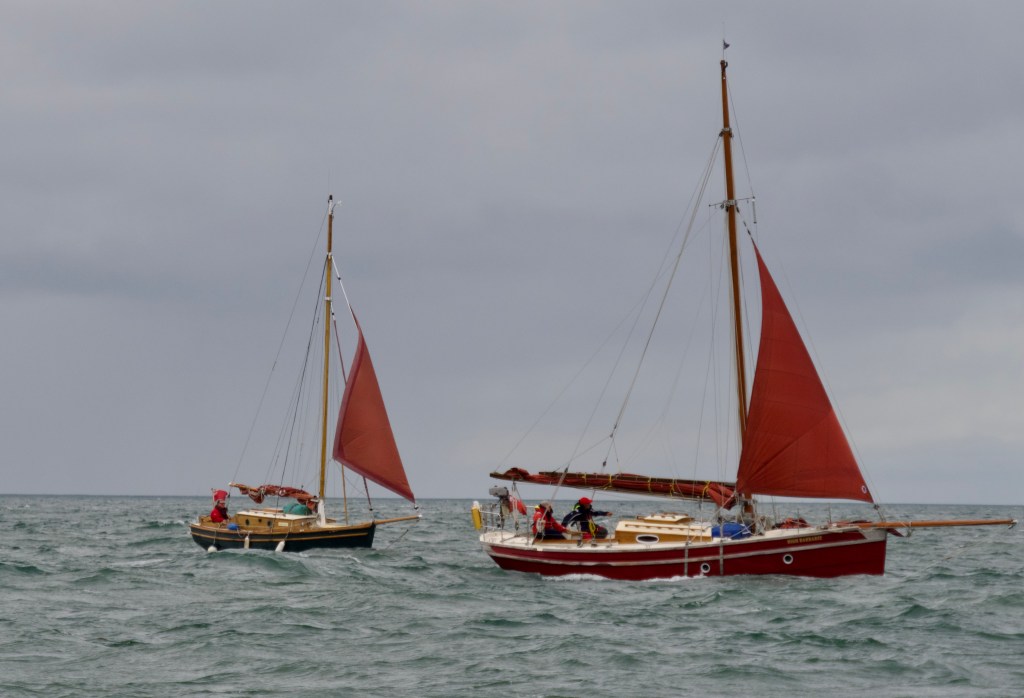
Cape Cutter 19 Stardust
Jan Blank, self built by Rik Hansen
Cornish Crabber 26 Pearl of Beaulieu

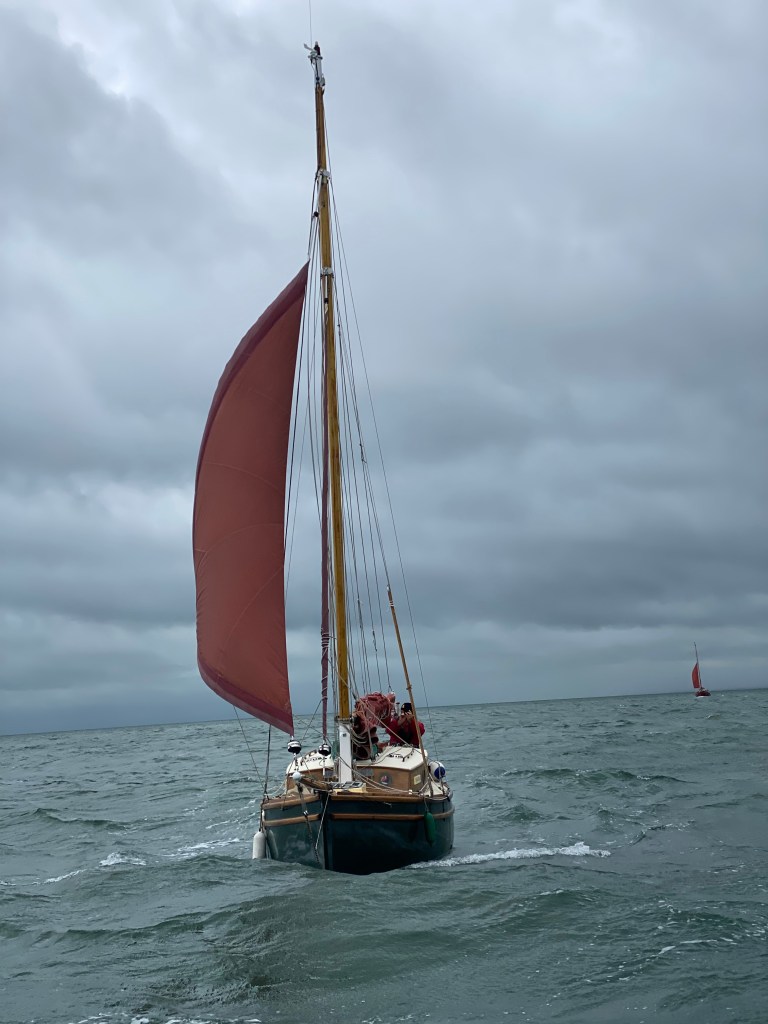
The first skirmish of the Battle of the Zuiderzee was fought during this passage. We towed clogs again but had also been set the task to pass a capsule containing the sailing instructions from boat to boat whilst we were underway. We saw the heaving line cast from Stardust to Clytie and then to Bonita. Bonita passed it to us during a slightly hairy close pass.
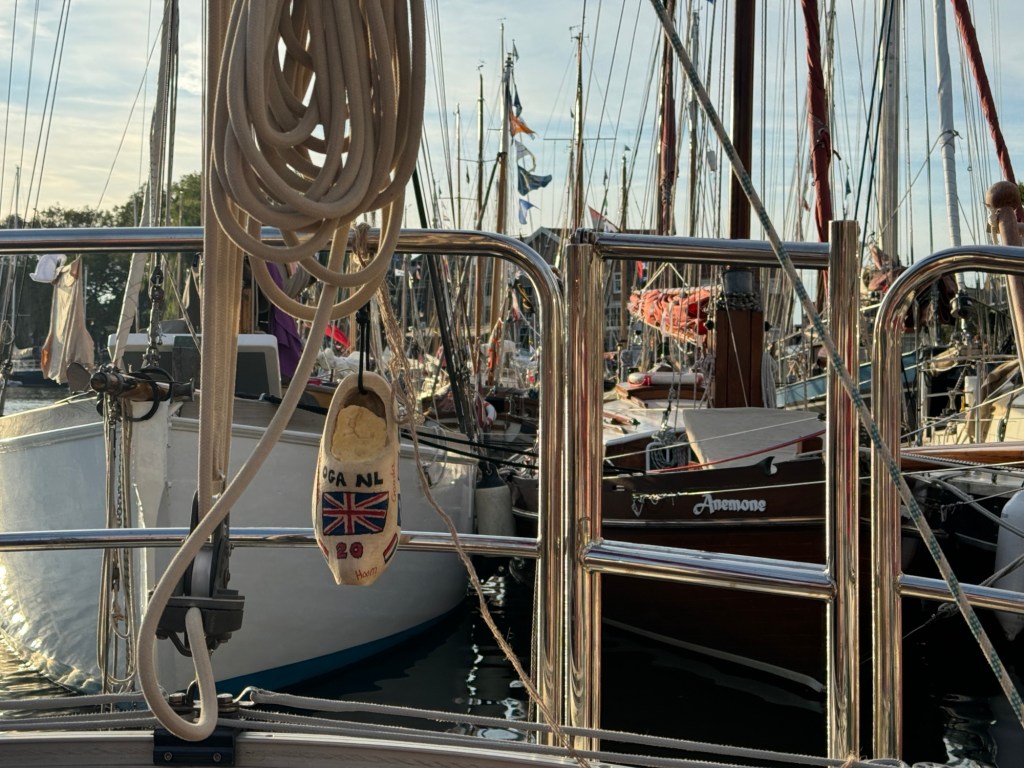
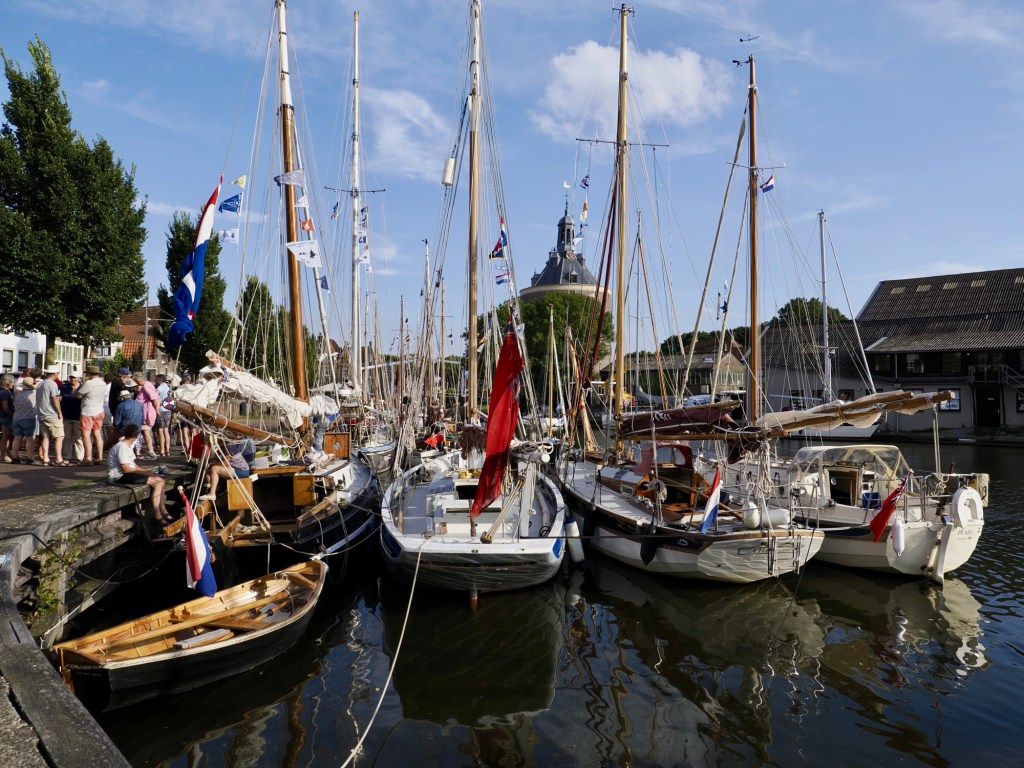
Drinks on the quayside

As usual, the fleet made a fine sight at the new port, Enkhuizen, rafted to the town quay. We celebrated the girls’ success with a harbourside meal not twenty yards from our berth. The next day began wet and grey, but undaunted we went to the Zuiderzee museum.
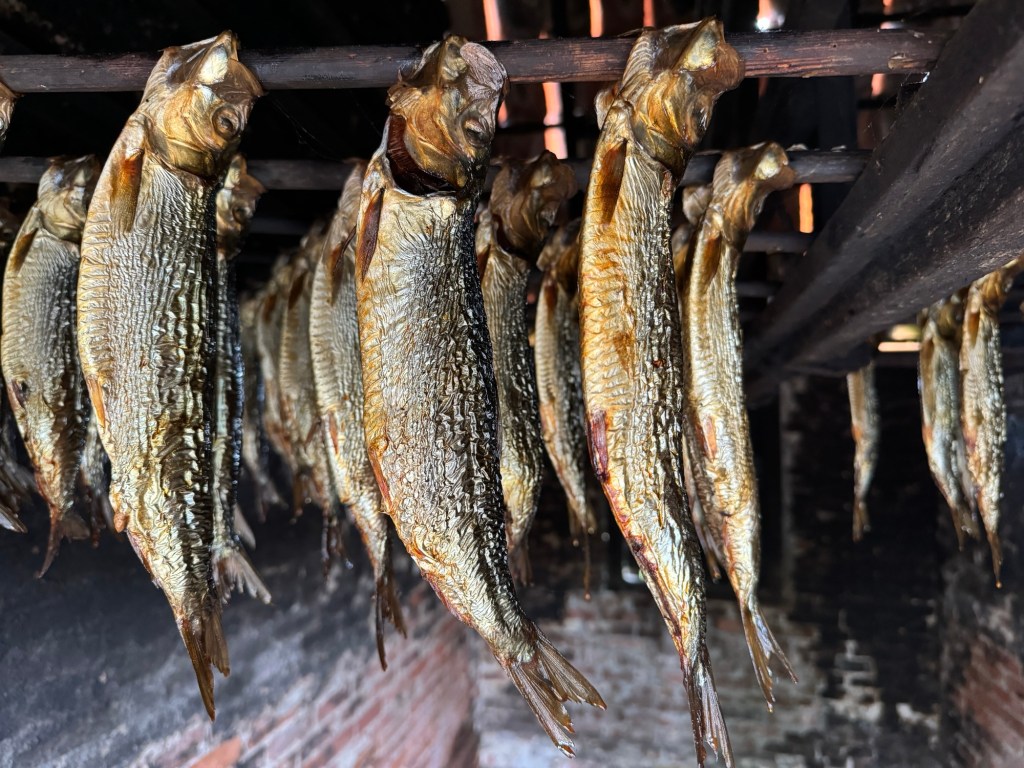
Hot smoked herring (it was delicious!)
Zuiderzee museum

This was a very interesting place, comprised of buildings, boats and other artefacts showing the life of the folk who lived and fished around the former Zuiderzee before it was shut off from the sea in the early part of the 20th Century. Land was recovered, the water became fresh and a way of life faded from existence; the purpose of the museum is to record these customs.

After dinner aboard, we shared drinks with our raft-mates Dirk and Linda on Anemone (“the enemy”) and we found we had much in common, particularly enjoyment of good beer and whisky.

I had visited a slijterij (off licence) to procure a bottle of Dutch gin and having chatted to the proprietor had been persuaded to also buy a bottle of Dutch whisky (that wasn’t hard!). I did not even know such a thing existed (there are several, this was Millstone from Rotterdam) and whilst it’s not “scotch”, it’s a pleasant drink.

Delicious Trappist beer aboard Anemone

We bowed out of the second skirmish of the battle of the Zuiderzee and chose instead to provision the boat, ready for the long passage home. With some stiff south westerlies forecast for mid-week, thoughts of the quicker sea route were discarded and we set to devising the quickest way to reverse our outward journey.

The end of the rally was marked with a most enjoyable party, each boat being awarded a small individual gift to mark their participation in the event. Alice was much more pleased to be taught to play the “bones” and then gifted with a pair to take away and practice on! With many new social bonds formed during the rally it was a lively affair and many fond farewells made before the final dispersal of the fleet the next morning.
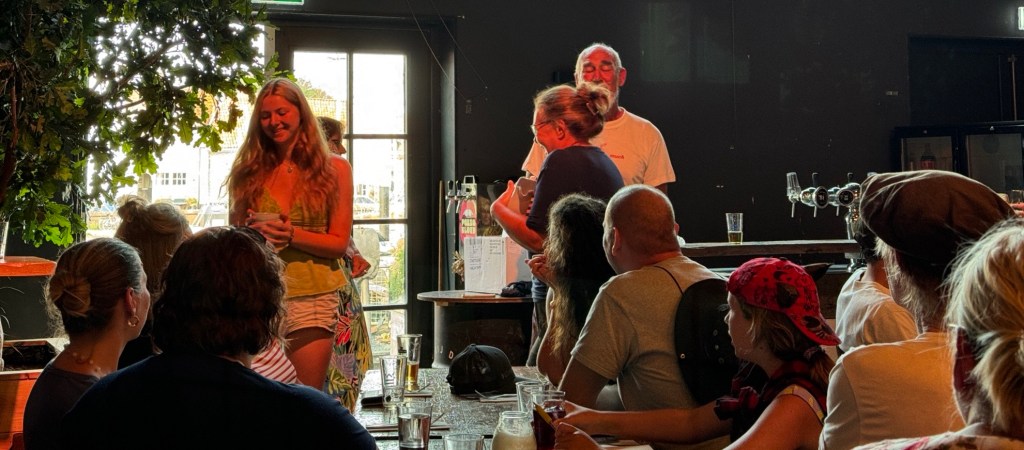
Prize giving ceremony

Niki and I shared a nightcap with Jelle and crew aboard his lovely Cornish Crabber pilot cutter. Much whisky was drunk and sea tales exchanged.
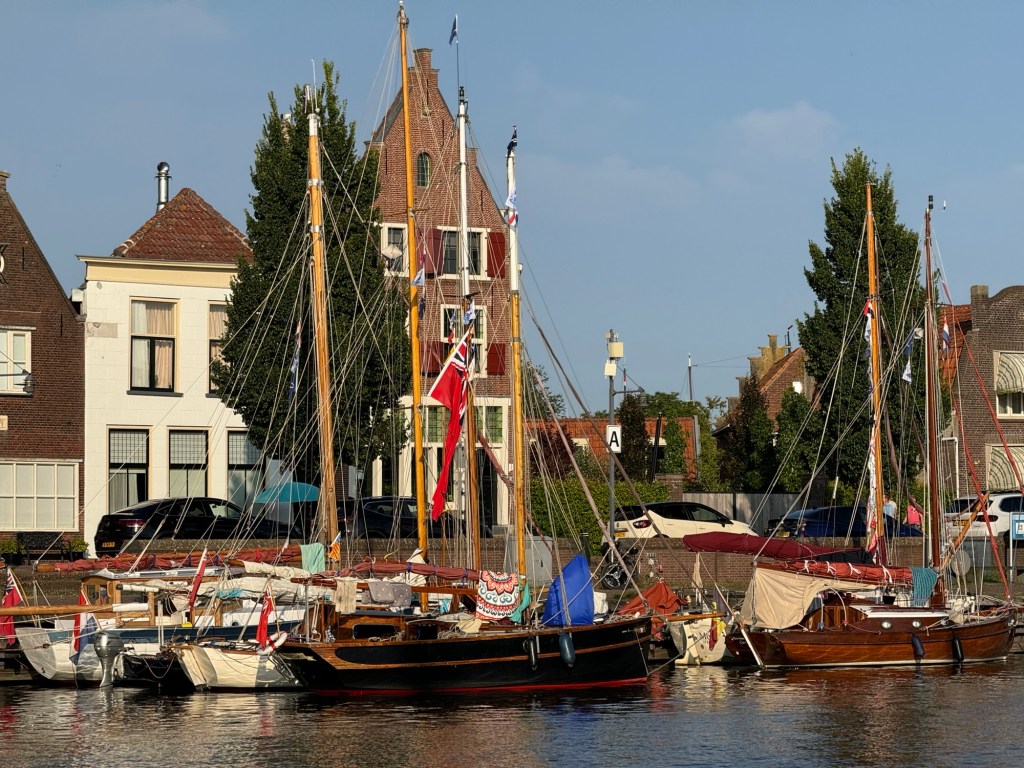
Sailing to the East coast 3: Crossing the Thames estuary

Sailing to the East coast 3: Crossing the Thames estuary

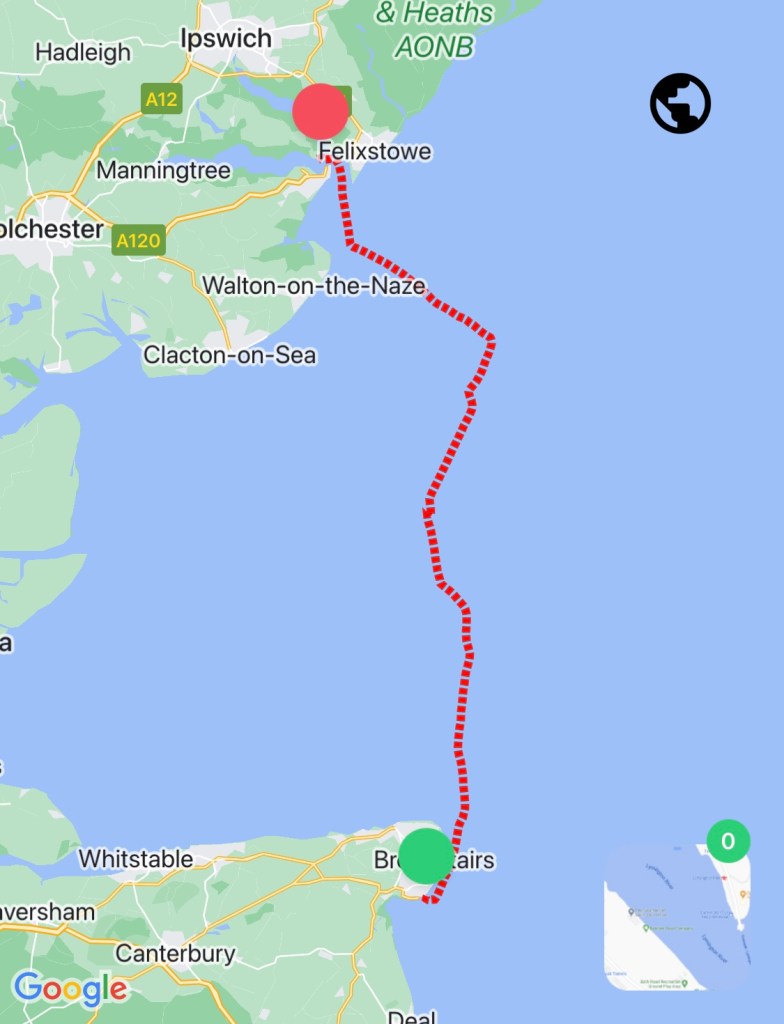
The wavy jet stream has been bowling low pressure systems at us one after another and we three boats from the Solent have been obsessively poring over weather forecasts, waiting for a gap to allow us to complete the final leg of our journey, from Ramsgate in Kent across the Thames estuary to Suffolk. My plan had been to spend some time on the Suffolk rivers, but these plans were now abandoned and I was just hoping for a suitable day to cross before our party in Ipswich.

The three boats in question were Huw and myself on Molly, Liz and Tim on High Barbaree (Cornish Crabbers Pilot Cutter 30) and Brian on Puffin Bach (Tamarisk 24). We decided our window had come after two very windy days in Ramsgate and set off determined to stay together in a gusty SW F5.

Passing Broadstairs
Puffin Bach and High Barbaree making for North Foreland under jib and engine

We initially had jib only with engine and ran north along the chalky coast past Broadstairs and the iconic North Foreland, into the wide mouth of the Thames. The main landmarks were the huge Thanet wind farm close by, with the London array visible in the distance. The latter was our target and pass through this grid of turbines to cross Foulgers Gat, a passage between one of many sand banks in the Thames estuary.

We had been promised a decreasing wind by the forecast, but that was not to be. Huw and I decided that raising the main would ease the uncomfortable motion of that confused water. What a difference it made! We cut much more easily through the chop between the turbines on double reefed main and jib. As we emerged into Black Deep, the main shipping channel, it was clear we were leaving behind Puffin Bach, sailed solo by Brian. On a broad reach at that point, we tacked back round to him then tacked once more onto to our original course.

Huw at the helm, as we sailed through London array wind farm

We switched from jib to staysail, in order to match pace with the smaller boat and continued north. However the gusty wind increased in strength and veered to NE, right on the nose. This forced us to drop our sails and motor right into it. Thus ensued a quite uncomfortable period with some very steep chop right on our beam.

High Barbaree and Puffin Bach

The first sign of the Suffolk shore was the distinctive silhouette of the cranes at Felixstowe, long before we could make out the actual land. At long last we closed with the shore, crossed the Medusa shallows and entered the mouth of the Orwell. Conditions were still pretty lively so Huw and I dropped our plans to anchor for the night and chose the shelter of Shotley marina.

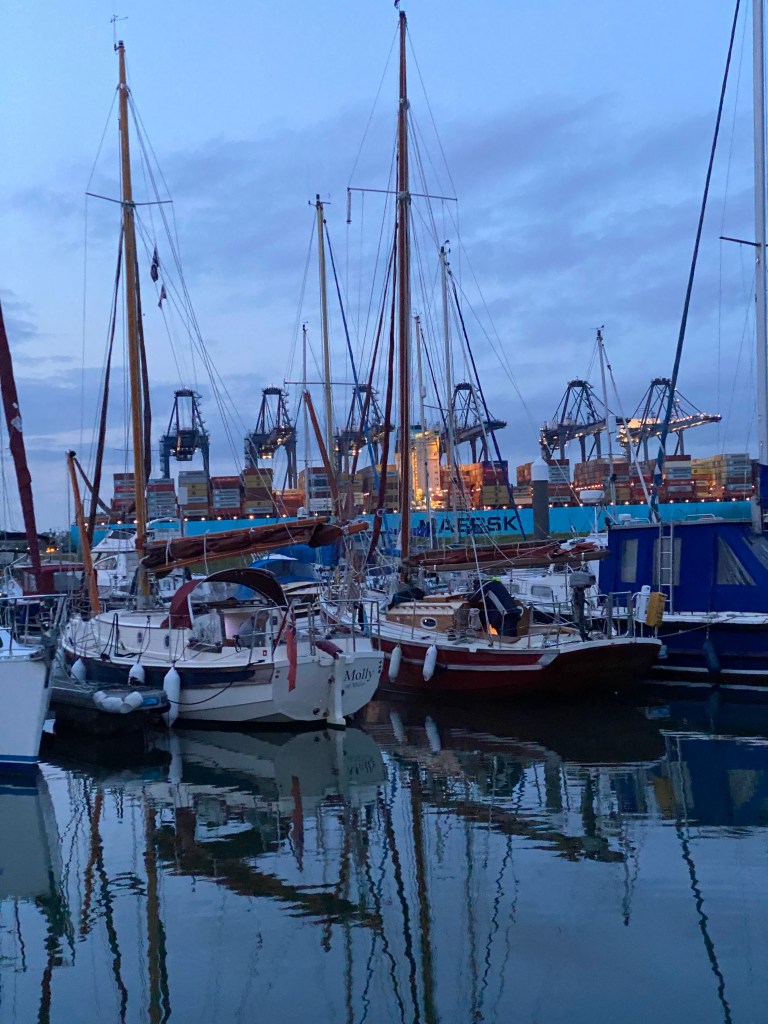
Locking in to the serenity of this harbour in the shadow of great container ships in Felixstowe, we enjoyed corned beef hash aboard High Barbaree for dinner, after which we returned aboard Molly and our heads barely touched the pillows before our eyes closed.
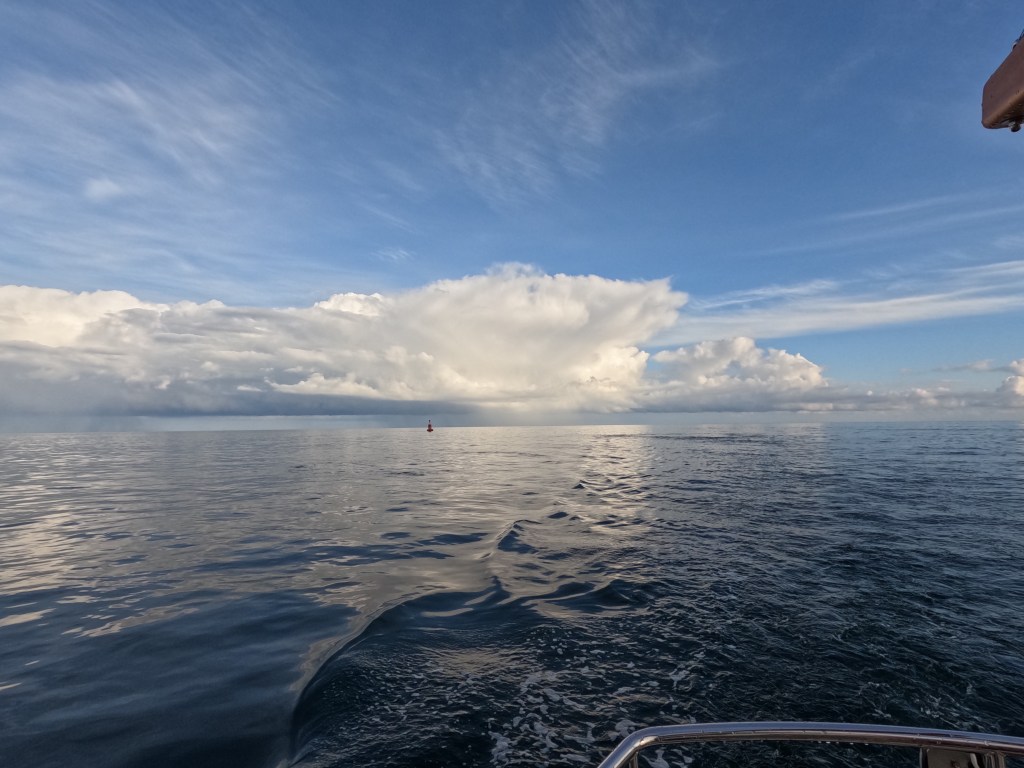
Molly and High Barbaree in Shotley
OGA60: prologue

OGA60: prologue

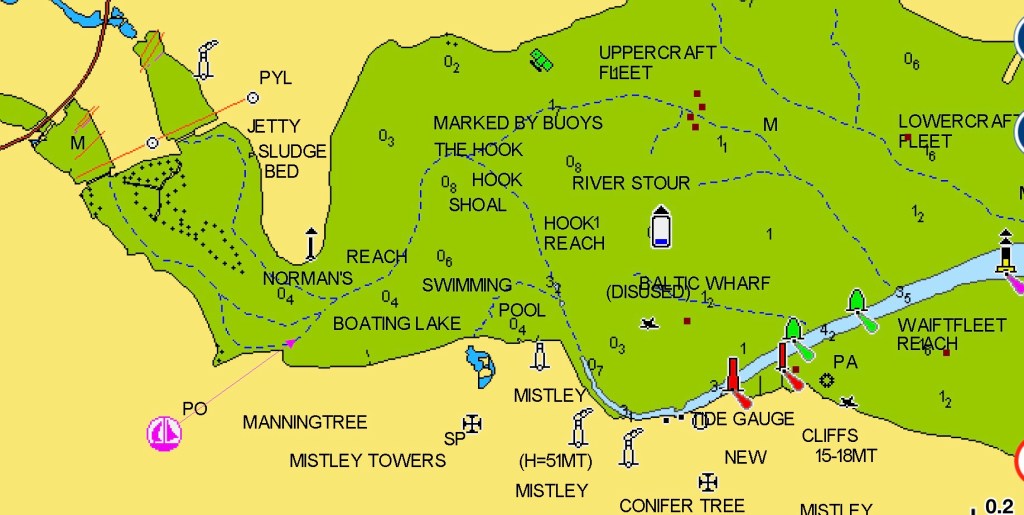
I have explored the Stour in our previous boat Aurora, a Cape Cutter 19 and I wanted to repeat a passage I had made to the navigable limit at Manningtree. The crews of the three boat that sailed from the Solent congregated on Molly with an objective to visit Stour Sailing Club for a pint.

A barge leaving Mistley

It was surprisingly rough at Harwich as we left the shelter of the marina and motored into the teeth of the wind. “It’s a shame we didn’t come in summer”, Brian commented ironically.
As we progressed up river, it gradually became less choppy. We were crossed by a yacht beating up river and also admired a number of sail boarders. We also passed a large barge on its way downstream shortly before we reached its departure point at Mistley, the point where the river shows all drying green on the chart.

Manningtree is the navigable limit of the river Stour

At this point it was necessary to weave more slowly, seeking out the channel of deeper waters. Guided by the line of moored boats and a few channel buoys we approached quay at Manningtree. At first there seemed no room, but the sailing dinghies and their rescue boats were moved aside for our benefit and we moored up behind another visiting yacht.

Hesitating outside the Stour SC clubhouse, the door opened and we were beckoned in by a member, clearly used to visitors “on the clock”. We had arrived at high tide, but our stay would be brief!

Departing Manningtree

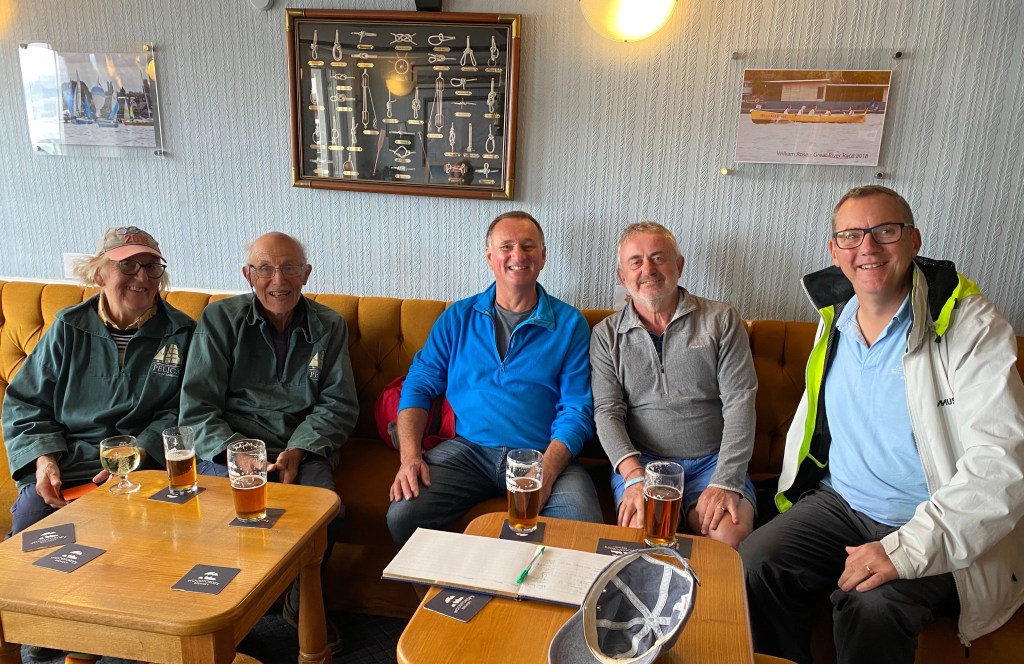
We quickly signed in and had a round of drinks, made very welcome guests in the club, before I had to usher the crew back to Molly. Not a moment too soon, we reversed our course and gingerly retraced our steps back to Mistley. I’m sure if we had stayed only 10 minutes more, we could have been trapped by the falling tide.

Cruising back past Mistley

Once in the deeper water, we could dispense with the engine and ran back on jib only. After a much calmer trip back, we locked back into Shotley marina before another pleasant evening aboard High Barbaree.

Cockpit drinks aboard High Barbaree

More late season trips

A Crabber 26 (not Molly) dodging the ferries as she passes down the Solent
The transit posts for HMS Queen Elizabeth and Prince of Wales, which stand just outside the entrance to Portsmouth harbour

We’ve been fortunate to experience some really good late September weather and I’ve lately enjoyed two trips with extended family. The first trip was with my parents and the second with my father-in-law.

Niki with my mum at the helm

My dad is an experienced sailor, so my parents were keen to come and see Molly for themselves. Taking advantage of the UK’s unexpected bank holiday for the Queen’s funeral, Niki, myself and my parents set out on an almost windless but wonderfully sunny day. It was a great pleasure to show them our local patch. We put the sails up, despite the lack of wind, drifted on the tide towards the Island and put the anchor down in Priory Bay for some lunch. Later, the wind filled in a little and we blew the chance of getting home early in order to enjoy the breeze and sail a little.

Lunch in the sun!

The next trip, only a few days later with just myself and my father-in-law, Jeff, was an overnighter. A moderate northerly breeze and a mid-morning tide gave us the chance to sail over to Chichester, just as I had done with Niki the previous weekend, but this time staying in a marina.

Dog walkers on the beach at East Head – the West Pole mark visible in the distance
Pilot cutter Verano entering Chichester: a larger and more handsome sister ship to Molly
Verano Beating into the entrance

In complete contrast to the previous trip, it seemed as though we had the sea and Chichester harbour almost to ourselves and saw only a few others out sailing. We weaved our way into the harbour against the falling tide, past a practically empty East Head, passed through picturesque Itchenor and crept up the shallow straight channel to Chichester marina. I had wanted to visit Birdham Pool, but we were too late for the tide (on the list for another time!).

Molly moored before entering the marina

Chichester marina is nestled far up in the tidal reaches of the harbour and is accessed by a lock. I was told my 2.5m draught was too much for the marina, so I lifted the plate. However, this made manoeuvring rather tricky, especially astern, so I compromised on half-plate.

In the lock at Chichester marina

Jeff and I were soon ensconced on our berth and repaired to Chichester Yacht Club for a meal and few well-earned pints of beer.

Low tide outside Chichester YC, looking towards Birdham Pool

The following morning was breezy and we worked our way out against the last of the flood, though the fleets of boats on their moorings and the armadas of dinghies rallying for their Saturday racing.

A Solent Sunbeam racing in Chichester harbour
Preparing for their start

It was a reach through the harbour and a dead run out of the mouth. As it was high tide, we did not run all way out to West Pole but bore away west after we had passed the bar. I had a reef in, to make sure things were relaxed and Molly swept along beautifully with the ebb under her and the wind on her beam.

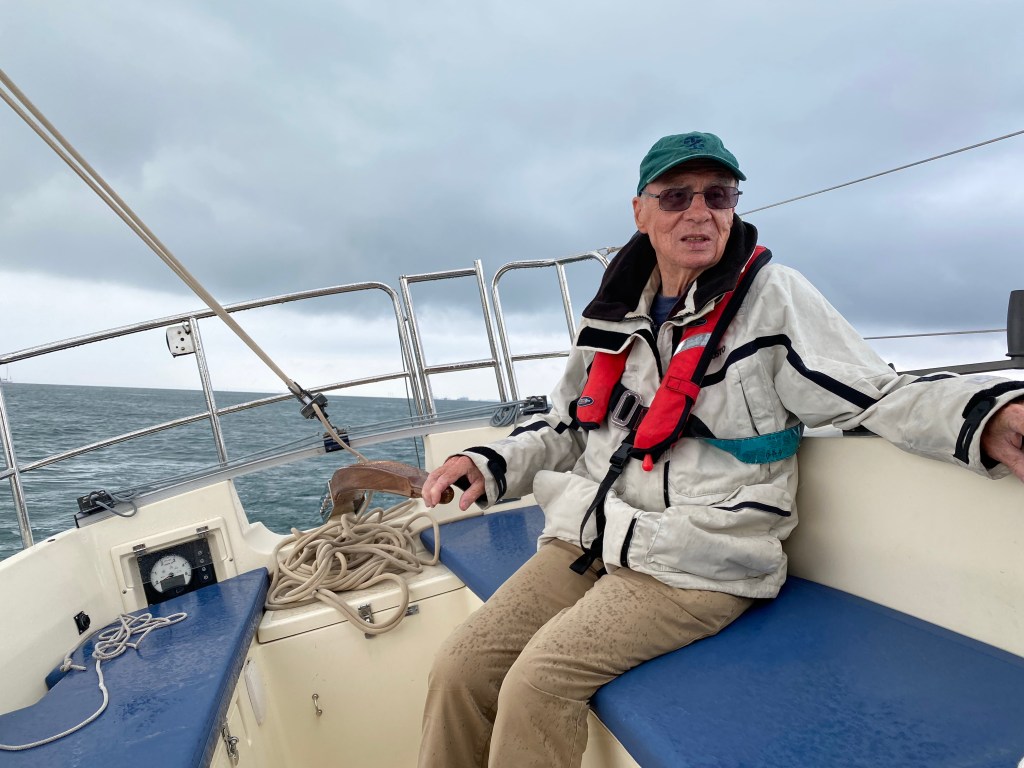
Jeff at the helm, before the loss of “Peaky”

As we passed Langstone entrance. Jeff lost his cap. I immediately decided to practice man overboard. I started the engine, threw off the sheets and we reversed course. We made it back to the hat, but the jib was flogging and I could not furl it. I took my eyes off the hat for only a moment and then sadly we could not find it again I went forward to sort out the tangled lines and got smacked in the face by a sheet for my troubles. Now we had lost a hat and my glasses were smashed!

I finally managed to furl the jib, sort out the lines and we resumed our course. A few important lessons learned. On the positive side, I was pleased to be able to start engine and reverse course accurately back to the casualty. However, I’m not sure how we would have recovered the hat – Jeff is not too nimble and has no sea experience. I hadn’t had time to grab a boat hook and I don’t think I’d have had time to fetch it before the hat sank. The hat disappeared from view quite quickly, but a human casualty would at least have a life jacket to keep them afloat. I have a sling available but getting a human casualty aboard would be a daunting prospect. The experience also showed the importance of at least one crew having the sole job of keeping eyes locked on the casualty. It would have been much less dramatic if I had been able to furl the foresails, probably it would have helped if I furled the jib whilst turning through the wind, but there is an enormous amount of friction on the jib furling line – I need to look at ways to improve this situation.

The track tells it all. I’m quite pleased with the two neat circles. You can also see the track when we motored head to wind as I got to grips with the jib
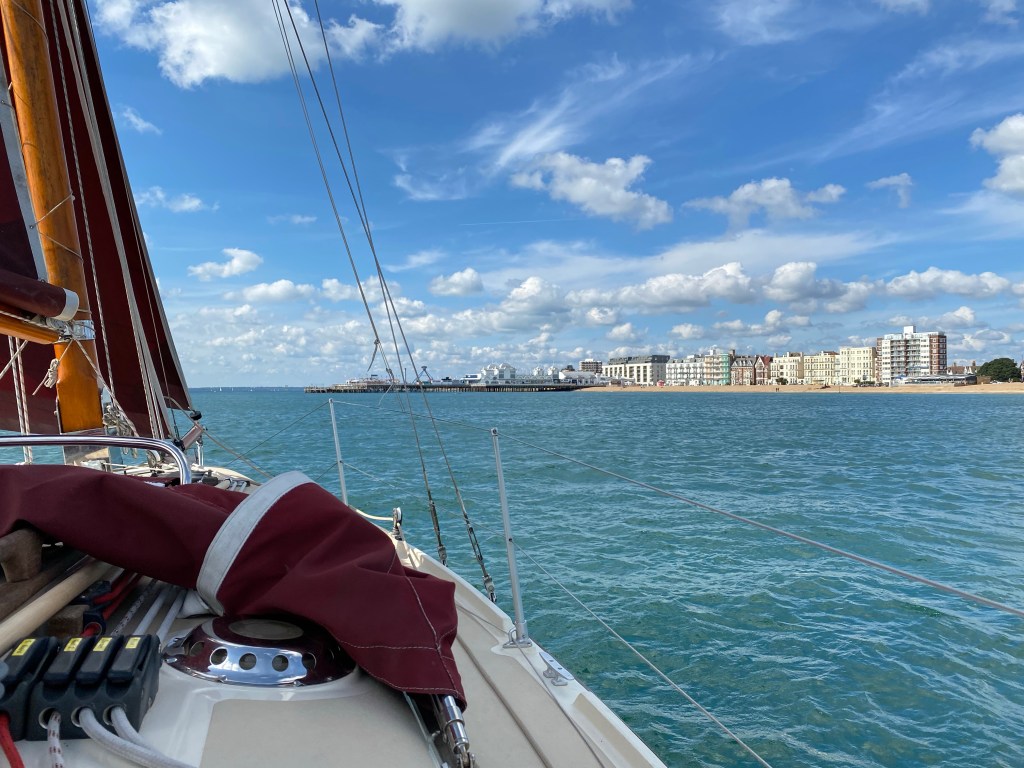
Approaching Southsea beach

On the recommendation of a comment to my previous post, which mentioned passing through the boat channel off Southsea, Jeff and I made for the tiny gap of the small boat channel, which is much closer inshore.

“Steer towards the shore, aim at the shore end of the pier”, I told Jeff. “Are you sure it’s deep enough? – there’s only 5m here!”, he replied. In fact, as we approached the beach, the depth changed little, and we bore away to pass through the narrow gate, only a biscuit toss from the shore. Our course took us close by the end of the pier and along the shore to the head below Southsea Castle, where the shore turns north into Portsmouth harbour. We carried straight on though, so as to cross the shipping channel at right angles and have space to drop our sails.

It was an interesting passage – I always enjoy passing close to the shore and seeing the goings on, but there is little navigational benefit going that way and the wind was more fluky that close to the shore. I’ll save it to amuse guests on the boat in future.

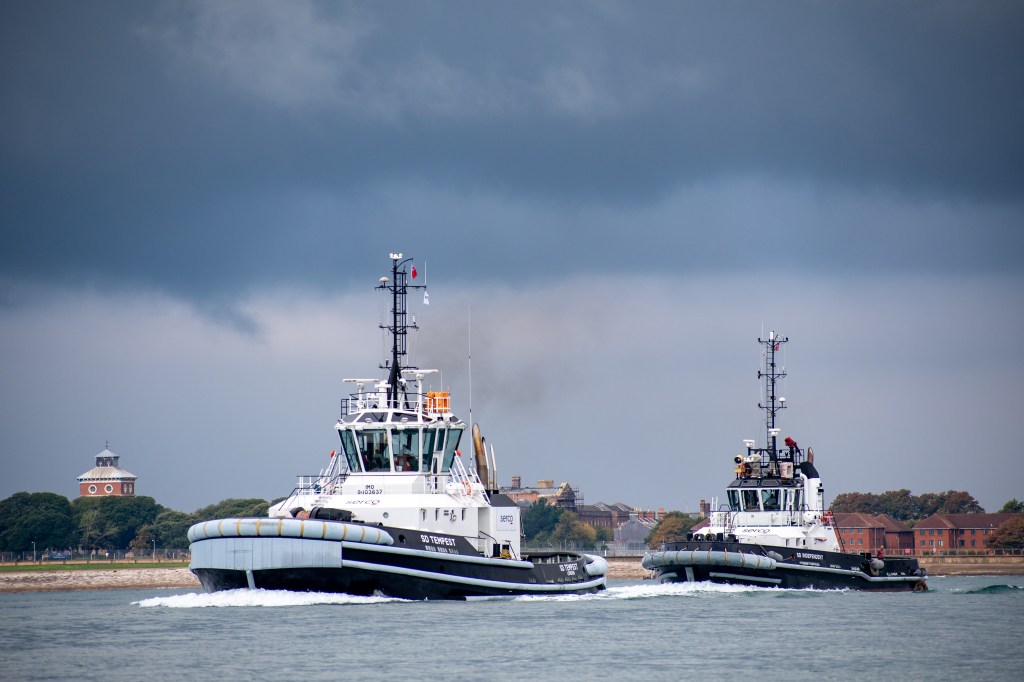
A pair of rugs going out to sea, in this case to guide a warship into Portsmouth harbour

Dartmouth

We had an early start and made full use of the excellent facilities at Sutton Marina in Plymouth. Niki left us for the train back to Falmouth, pausing in Plymouth again on her way back for brunch with Aimee, who was in the midst of her uni exams, before driving home. Our passage plan was to move Molly another good hop towards her new home, and make for Dartmouth.

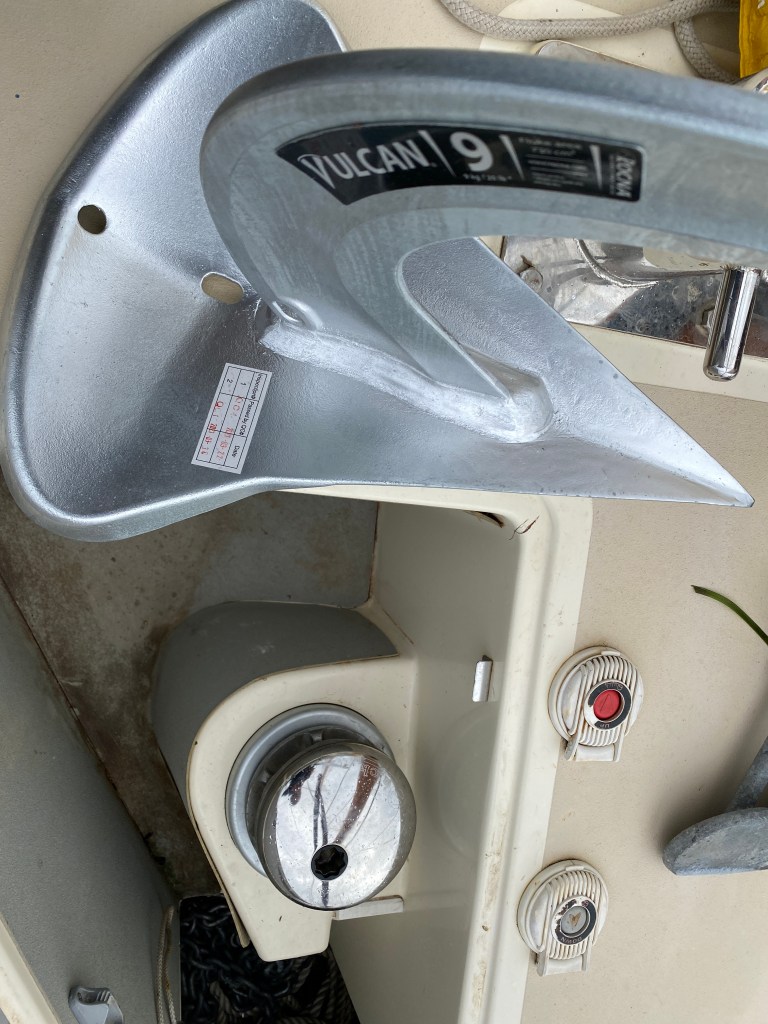
My main order of the day, following yesterday’s experience was to replace my anchor for something more grippy before departing. After reading around, the ground tackle of choice seemed to be either a Rocna or its later development, the slightly more compact Vulcan. It was reassuring to know that not only had others testified to its holding but importantly also reported that it fitted the anchor locker of the Crabber 26.

Plymouth ought to be a good place to procure boat equipment, but most of the chandleries didn’t have my anchor of choice. Fortunately the excellent chandlery at Mountbatten had a 9kg Vulcan in stock, so Ben and I took the foot ferry across the harbour. Pausing only to restock with pasties for our voyage, we returned to Molly and fitted her shiny new pin, made our way through the lock and motored out into the sound.

Anchor well and prosper! Mr Spock, the 9kg Vulcan

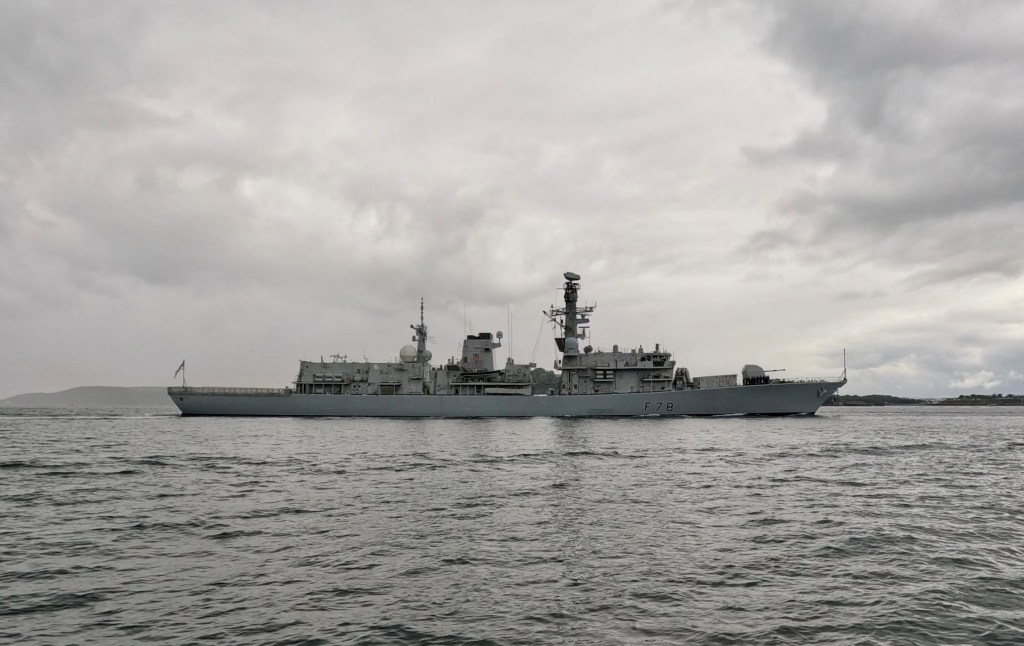
Just as we were hoisting the main, a military RIB asked us to move out of the channel, and moments later the frigate HMS Kent came steaming up the East channel at speed.

HMS Kent

Although we had the main up, it was not working at all and it was not a very peaceful passage down the Devon coast; although there was little swell, the sea felt confused without the drive of the sails and gave us an uncomfortable motion. We passed by some of my favourite diving sites at Hilsea point and the Persier wreck in Bigbury Bay, where we could see the mouths of the Erme and Avon from afar. I thought, not for the first time, that I wished there was time to explore these places.

Eventually Molly passed Bolt Tail and we travelled along that forbidding four miles of cliff, until we reached Bolt Head and the entrance to Salcombe. We had discussed this as an alternative place to overnight, but Ben and I both agreed we should carry on.

The sea was much flatter now and a fair tide was increasing; we quickly passed Prawle Point and approached the prominent outcrop of Start Point with its conspicuous lighthouse. By this time we were scooting along at over 7kt and were rapidly covering the remaining ground.

Rain approaching

We were treated to some spectacular meteorology, with banks of dark grey cumulus approaching. We could see a lovely pilot cutter in the distance turning across our track. The heavens opened and a massive downpour began with the rain cascading down onto glassy water. It was so quiet that could the strange hiss of the drops on the surface of the sea as we sped along. We watched the pilot cutter pass in front of us and follow the shore of Start Bay; we took a route outside the Skerries Bank, though there the only evidence of overfalls were occasional patches of boiling water on the glassy water surface.

Hetty entering Start Bay

The cloud passed away as we entered the mouth of Dart River and Ben and I were treated to the sight of Dartmouth and Kingswear in the early evening sun. We treated ourselves to a berth on the town quay, ready for some well-earned fish and chips. It was only when we were tied up that I noticed that as this was the ferry quay, we needed to be away by 0845 the following morning. The helpful harbour master pointed out that we were welcome to move to one of the pontoon berths in the morning if we wished, so we decided to stay put.

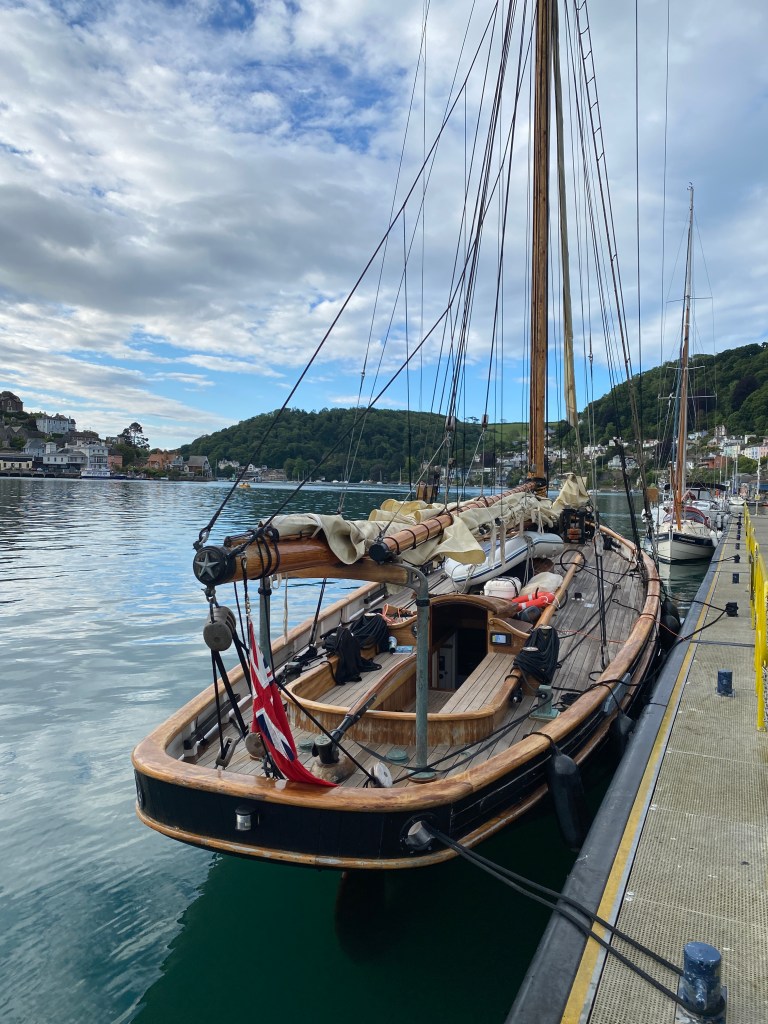
We were joined just after by the gaffer we had seen in the bay, which turned out to be Hetty, a 1906 pilot cutter, who was travelling in the opposite direction to us, from Weymouth on her way to Cornwall for a pilot cutter rally.

Hetty alongside in Dartmouth

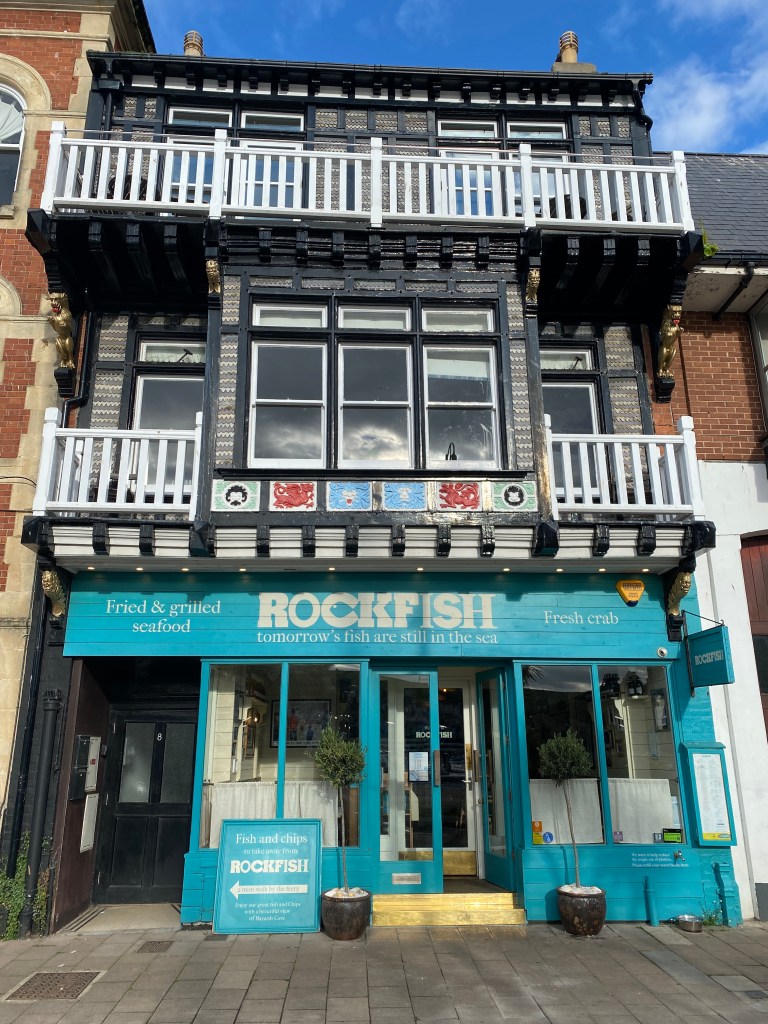
We enjoyed Rockfish fillet and chips aboard Molly with the fine Shropshire bitter I had brought with me from home. The meal was provided by the chip shop of the same name and was excellent.

We spent the rest of the evening discussing our next move. The wind had been favourable but very light for the past several days. We had one more day of favourable wind forecast, followed by a day of no wind and then adverse winds. The forecasts had not been accurate, but I really did want to end the week with Molly on her berth in Gosport and I also did not want to plod upwind on the motor if I could avoid it.

Ben and I considered many options, but in the end decided that we’d make an early start in the morning, pass off well off Portland with a favourable spring tide in the early evening and see where we got to, with the option of going overnight all the way into the Solent or, more likely, anchoring somewhere before Swanage to avoid sailing through the whole night and allowing us to time our Solent entrance to a fair tide.

Excellent fish and chips!