Tag: Crabber 26

West Country Meanderings

This season we have managed several rallies and a long trip in the Summer. It kicked off at the end of July when Niki and I set off, accompanied with Brian of Puffin Bach, to deliver Molly to Falmouth.

I had decided that I wanted to push my envelope a bit and cross the channel again, but this time to Alderney and then make a 24-hour passage to Falmouth.

We had an easy crossing from Gosport with an 0300 start delivering us to Braye harbour at 1930. I had planned 3 nights in Braye so we would have two clear days on the island and some good sleep before the long leg to Falmouth.
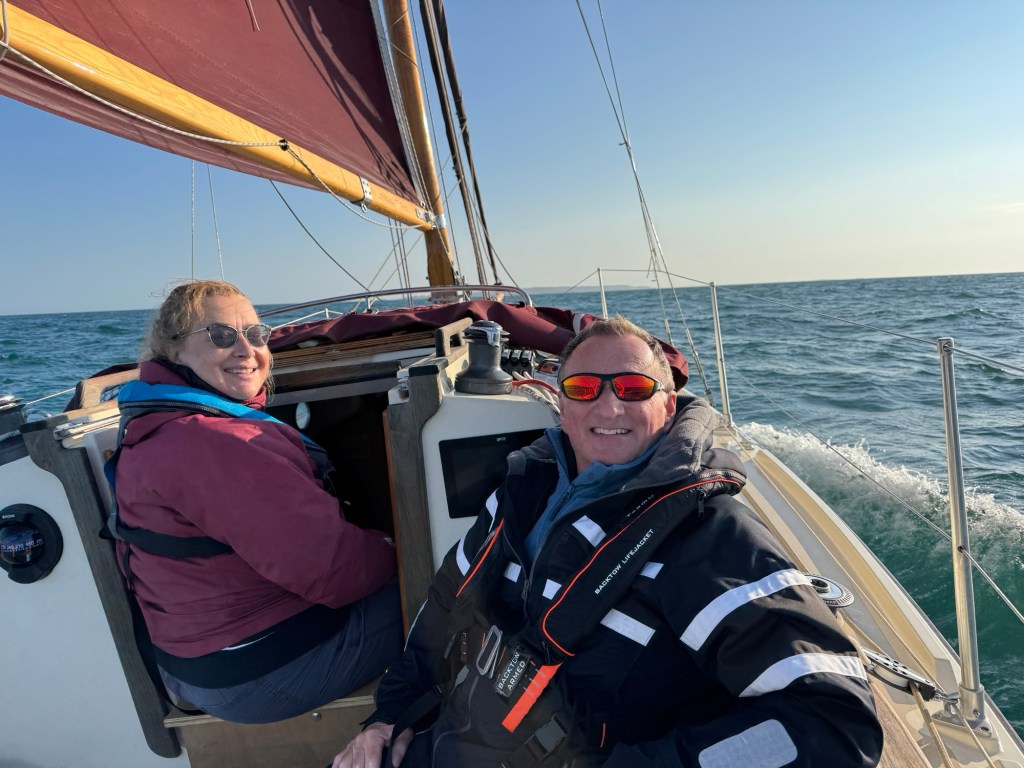
Hooray! We’re nearly there…

We managed the former but not the latter! This summer has been dominated by Easterly winds and this is not a sheltered direction for Braye. The consequence was some of the most rolly nights afloat I’ve spent. Still, the time ashore was most interesting. Braye itself offers little apart from the harbour but there is much to see on this small island.

Braye harbour

On the first day, we enjoyed a walk up to the pretty main town of St Anne’s, culminating in beer and local seafood in the sun. On the second day, we hired bikes and looped around the island. The castle at Longis and the lighthouse were particularly interesting, as was watching the massive tides pour through The Race.

After our third rather restless night, we departed for Falmouth. The first section was wonderful with Molly sailing beautifully past a (suitably distanced) view of the Casquets rocks and lighthouse. To the north of us were the busy shipping lanes and I had been advised to use the Separation Scheme to cross. As we approached, I felt like a mouse trying to run across a motorway, such was the speed and density of traffic. In a CSS, vessels must cross at right angles and this was impossible for us at our modest 5kt.

Watching the other yachts, several were making for the area just outside the CSS, and I realised this meant that the traffic was following a predictable track but we were not obliged to maintain a course at right angles to the shipping. This allowed us to turn and run parallel with the ships until we could turn and dash behind their stern, ahead of the next monster.

Having cleared the shipping lanes, there was far less traffic and the wind was on our nose. At dusk I put the main down and we motored on in the dark. This part was mostly rather dull, as there was nothing to see in the dark. The only excitement was an encounter with a fishing vessel which was behaving as if he could not see us and seemed to be permanently heading us off with his course changes.
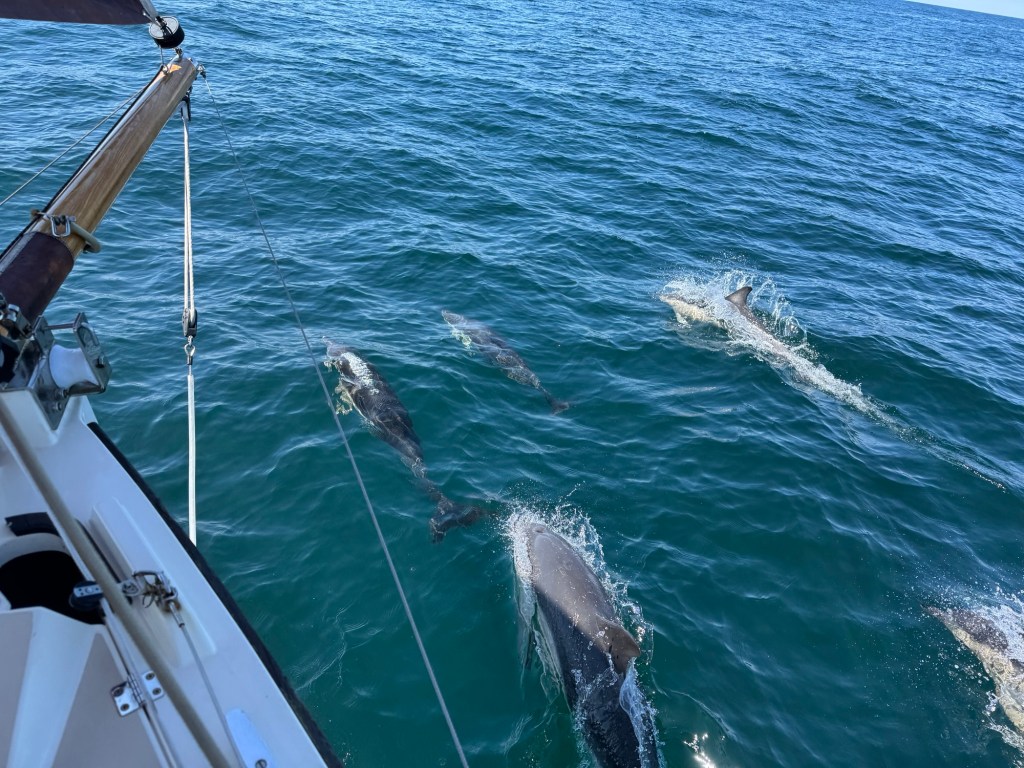
Dolphins at the bow

After 25 hours we steamed gratefully into Falmouth and berthed at Falmouth Yacht Haven. Russell, our friend and skipper of Cornish Yawl Lucy, asked if we were in trouble, as our AIS had us at 16kt some miles off Salcombe. It was then we realised that our AIS was not transmitting properly and explained the erratic behaviour of the fishing boat! I was able to quickly rectify this when I discovered the antenna connection to the unit had worked loose.

We then left Molly on a swinging mooring in the harbour, so we could travel back to the Midlands to attend the excellent Cropredy music festival, where we bumped into some fellow Solent Gaffers. This detour was facilitated by our friend Ben who lives in Falmouth and was attending the festival with us.

On our return to Falmouth, we had some memorable days in the area, anchoring and swimming anchored at lighthouse beach and a wonderful overnight anchor at Turnaware Point.

We then began a slow meander East. The first port of call was a lunch stop at Mevagissey followed by a night at Fowey. From there we moved up to Plymouth with another swim/ice cream at Cawsand before a couple of nights in Sutton Marina.

This gave us a day in Plymouth sightseeing, including a Rolls Royce in the lido (a tribute to Keith Moon, apparently) and the fireworks championships viewed from our pontoon. We were welcomed into the marina by a fellow gaffer, Chris, owner of a a lovely Oysterman 22 .

There were very strong easterlies forecast for the next couple of days and rather than hole up in the eye wateringly expensive marina, we decided to explore the local rivers.
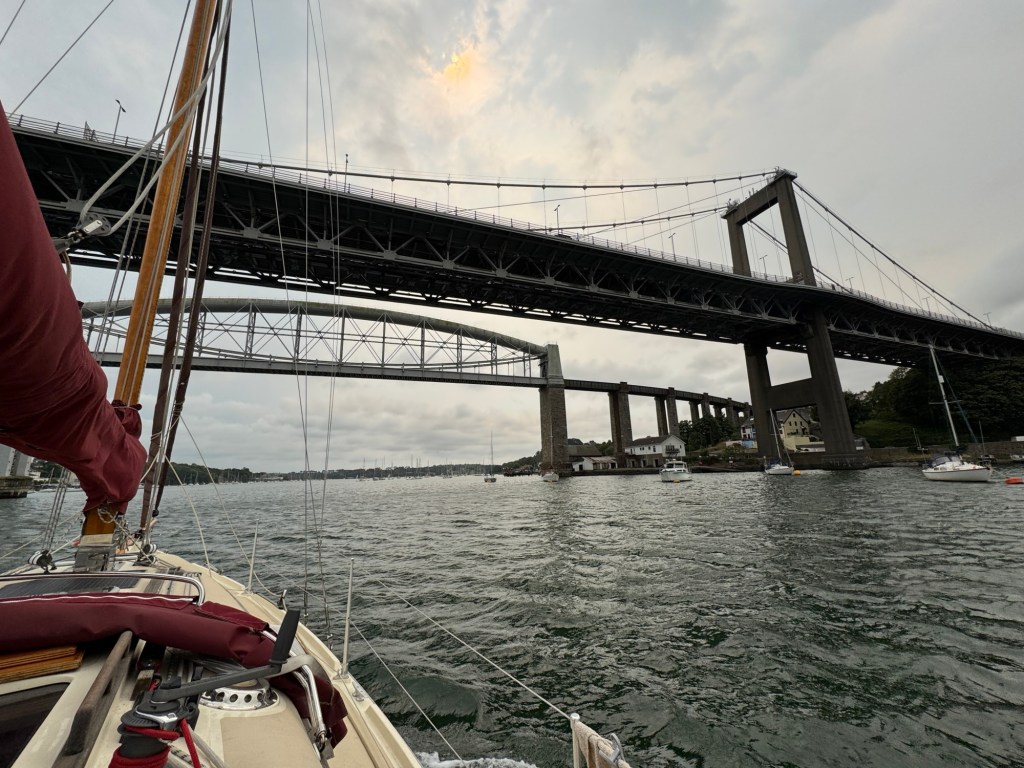
The two Tamar bridges at Saltash

Passing up the lovely Tamar under the impressive bridges at Saltash and past the Lynher and Tavy, we made our way almost 10 miles inland to Calstock, once a centre of industrial activity. The river was an important route for exporting metals and stone in the 19th Century, which dwindled away at the beginning of the 20th with the coming of the railway, illustrated by the impressive viaduct over the river.

Moored on the Tamar at Calstock

We found a vibrant village with traditional music and busy pubs. We also took a trip in the tender a couple of miles upstream to Morwellham Quay.

After two nights, we dropped down the Tamar, through Plymouth sound and into the Yealm. Conditions were very blustery and just as we passed the breakwater, there was a thunder and lightning accompanied by a squall which flipped our dinghy. Nonetheless we arrived in Noss Mayo unharmed and spent two more nights in its shelter, enjoying some lovely walks through Newton Ferrers and a loop along the coast walk.

Upriver in the tender

Our next stop was Salcombe, and we were rejoined by Ben. Salcombe was buzzing and we enjoyed a few beers at the Victoria Inn before returning to Molly for dinner aboard.

Noss Mayo

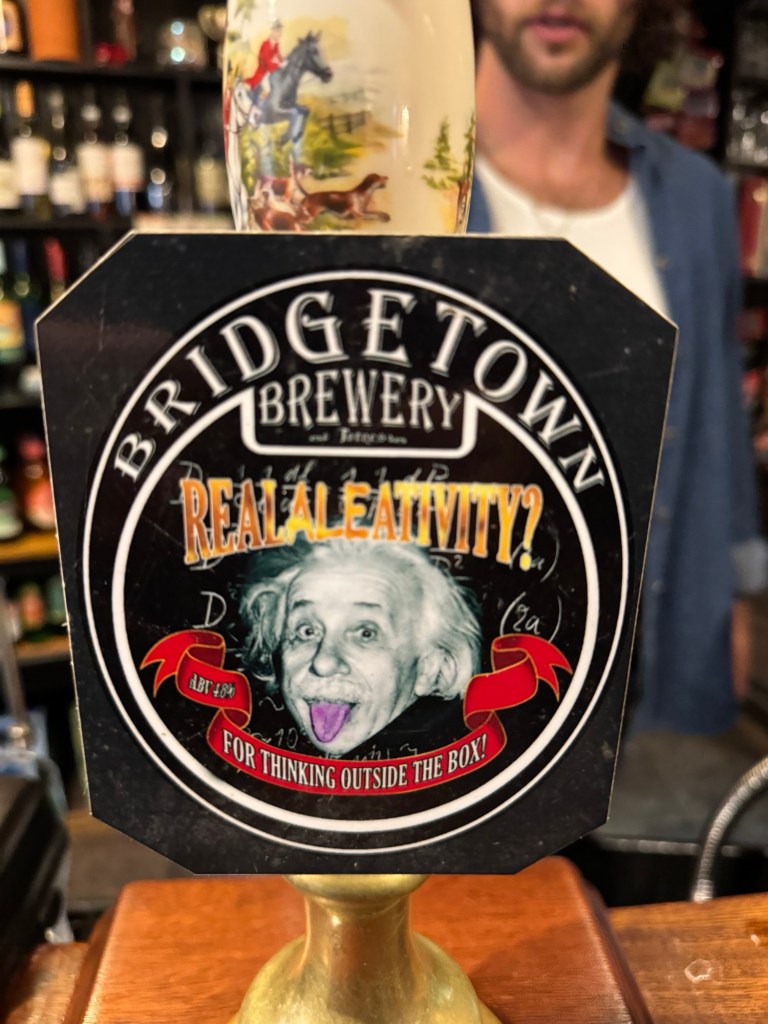
The following day, the three of us set off for Dartmouth but passed straight through the town, heading for Totnes. We wound our way up the lovely Dart arriving at Baltic Wharf just at high tide. We enjoyed excellent beer and a meal at the Old Albert Inn (my favourite was RealAletivity – the pub is named after Einstein rather than Victoria’s consort).
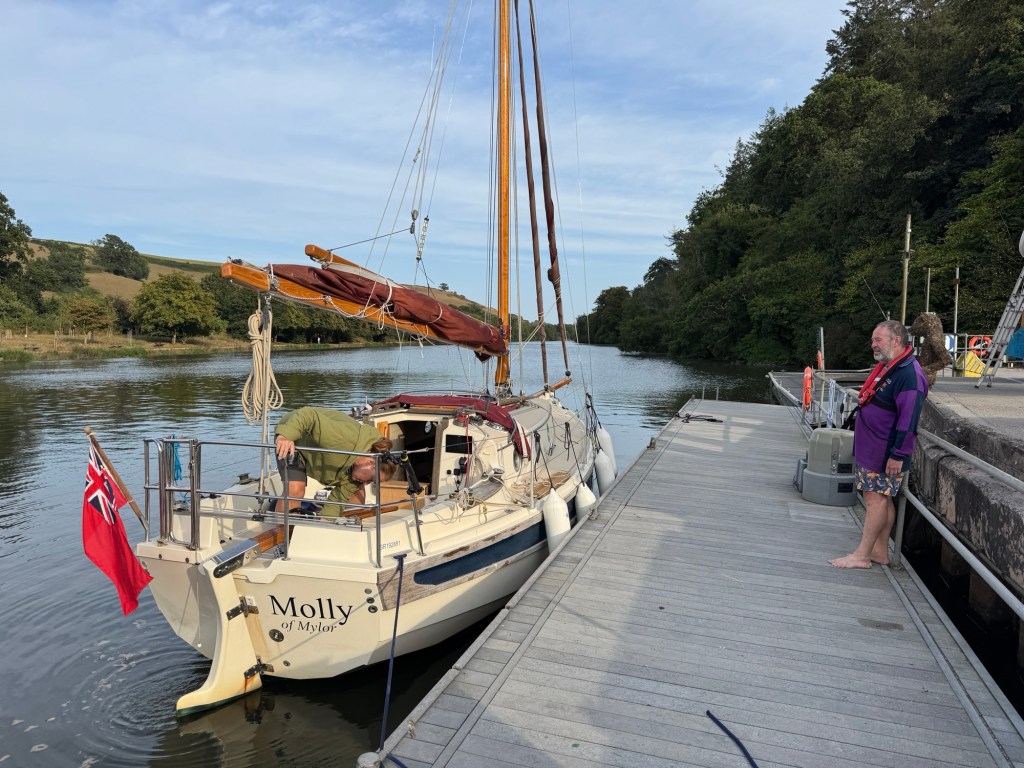
Totnes

We were awoken early next morning to be told we had moored in the wrong place, but were planning to leave on the high tide in any case. We dropped downriver to a pleasant anchorage to enjoy the sun before finding a berth in Dartmouth for the night. The town was very busy, as the annual regatta week was warming up and we had an excellent seafood meal at Rockfish. The following morning, Ben had to return home and, after early provisioning but an agonising wait for our turn on the water pontoon, we departed.

We had missed the tide, but it mattered little because the tide was not strong and there was virtually no wind so we made easy progress across Torbay, anchoring for a swim in the shelter of Anstey’s Cove whilst we waited for the tide to rise.

In the late afternoon, we made a very interesting entrance to Teignmouth. There is a very strong flow into the river mouth between the channel markers and then a hard-to-starboard ferry glide across the current to the part of the channel that loops through the town. Teignmouth is a busy town with a working commercial port and the kiss-me-quick seafront. We turned up just as a music festival was starting and it turned out the visitor berths were very close to the stage on the beach – we were just the right distance to enjoy the music. Whilst we were there, we took a tender trip across to pretty Shaldon on the opposite side of the estuary and which was having its regatta, so we were treated front row seats as the dinghies and rowing gigs raced past.
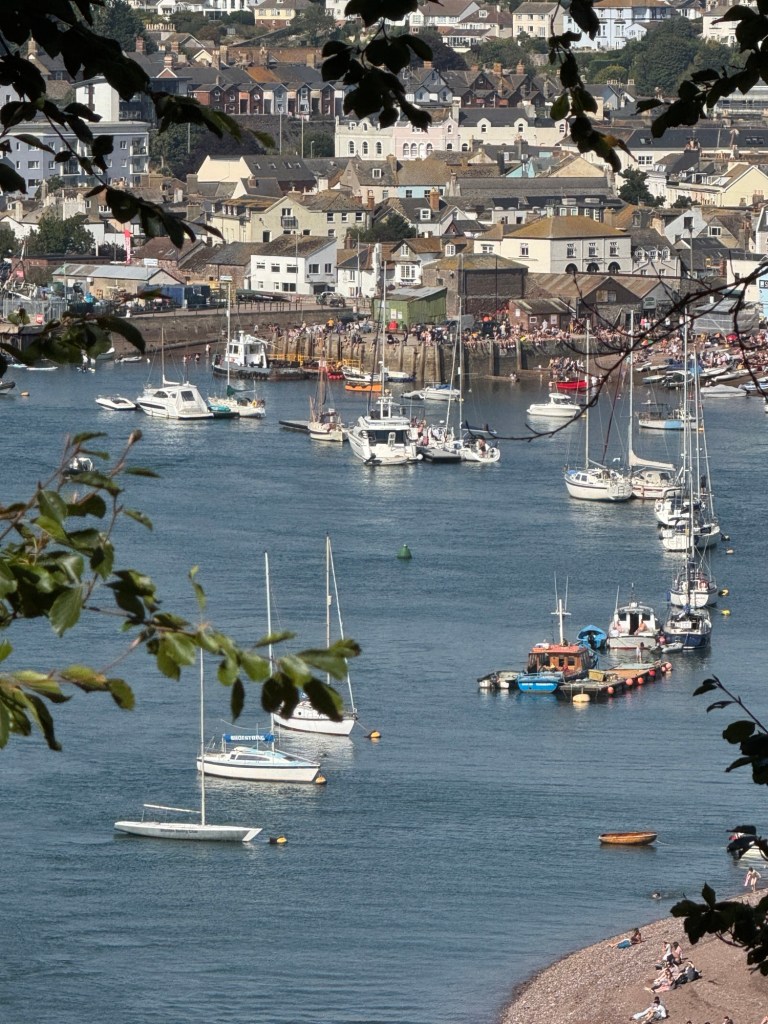
Teignmouth

Feeling we had had full value from the bank holiday weekend, we spent a hot day anchored in Anstey’s cove again. With the weather finally due to swing round to the south west, we would be ready to leave the West Country early the next morning by rounding Portland Bill back into what we think of as “home waters”.

Swimming at Anstey’s Cove
OGA in Gloucester

OGA in Gloucester

The 2025 AGM for the gaffers’ association was held in historic Gloucester, at the confluence of the mighty Severn river and the Sharpness canal. National AGM’s don’t have an inspiring reputation, but the weekend was a great opportunity to catch up with boaters from all over the country.

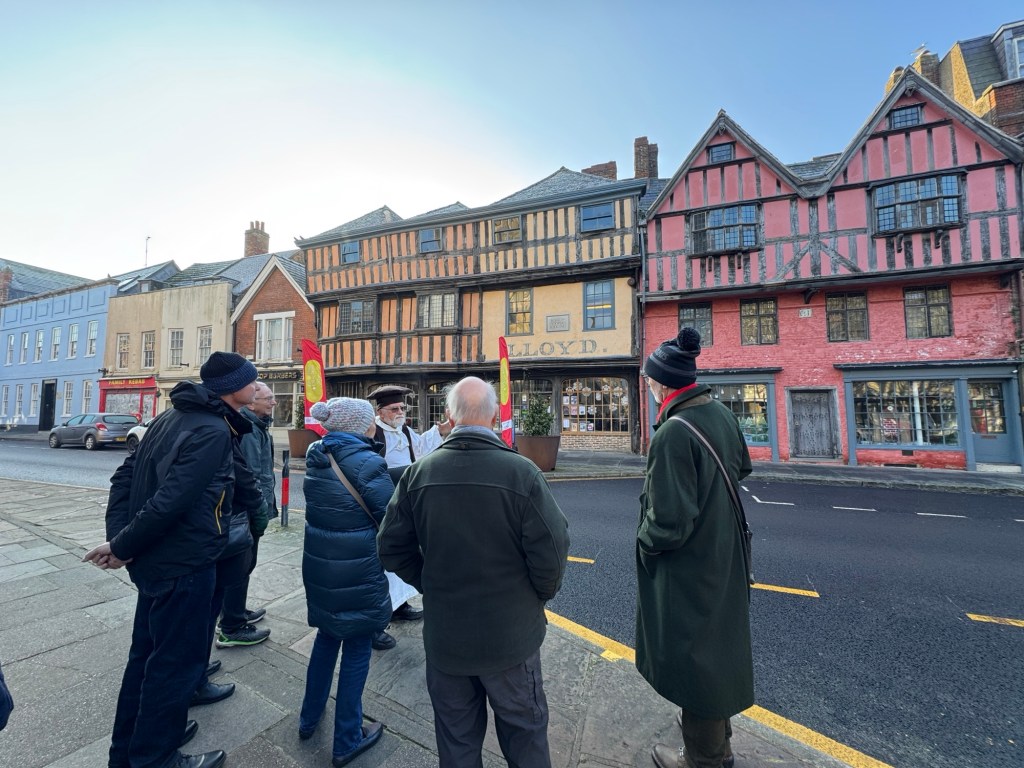
Costumed guide to historic Gloucester

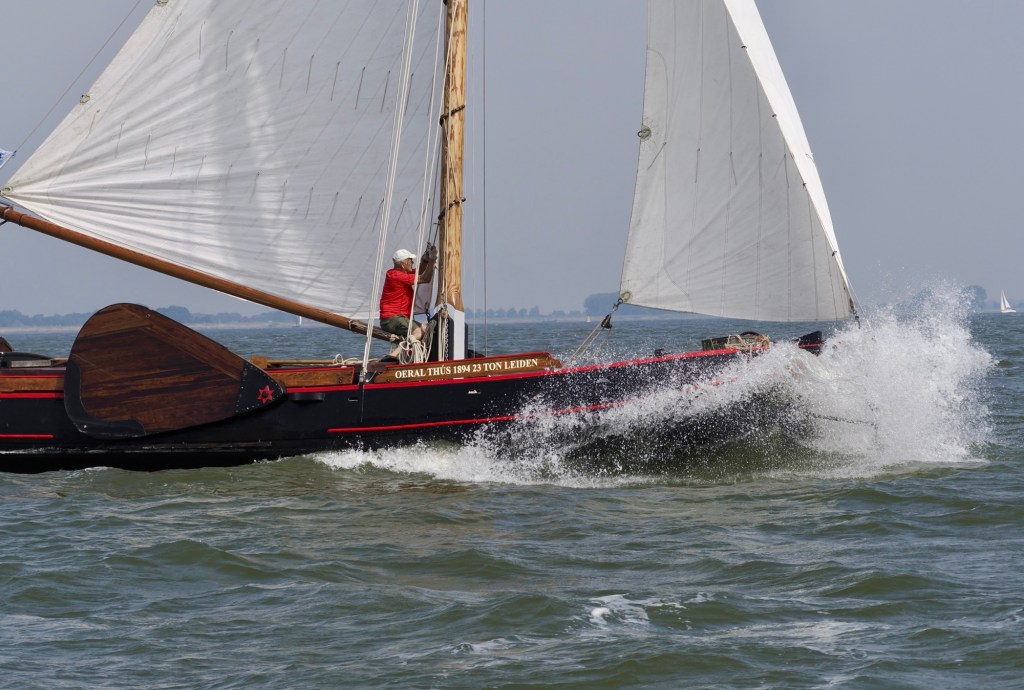
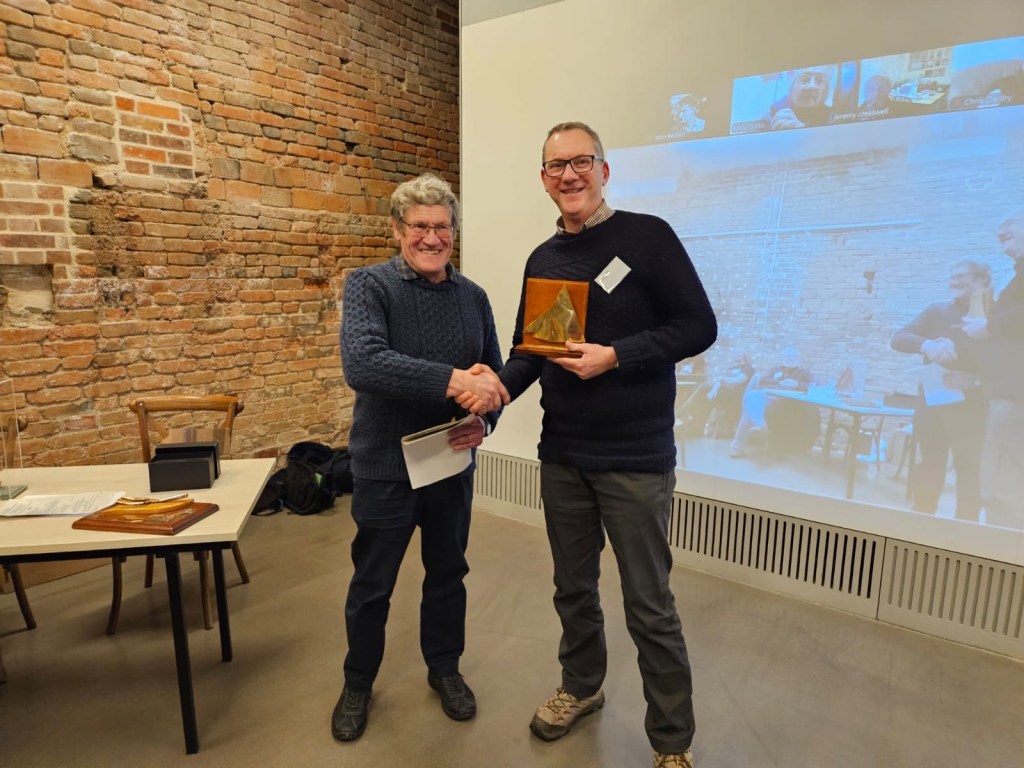
I was very chuffed to not only win the “sailing gaffers” category of the photo competition, but this blog (and the YouTube channel: https://youtube.com/@erbster200?si=9rEUk5N9owhUyVz7) was also recognised with an award. The meeting, in medieval Llanthony Secunda priory, was rounded off with a meal and some music.

Winner of photo competition!
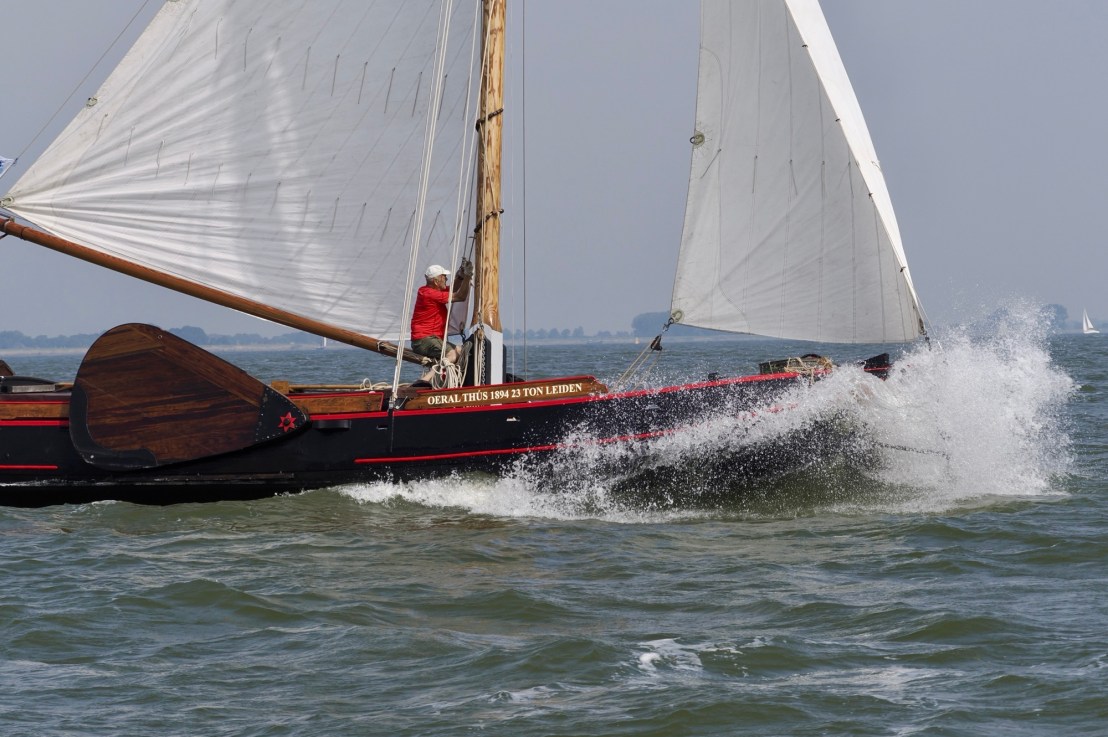
My winning image of skipper Frits sweating the halyards of historic Dutch barge Oeral Thus
OGA “Tales of Sail” trophy for this blog

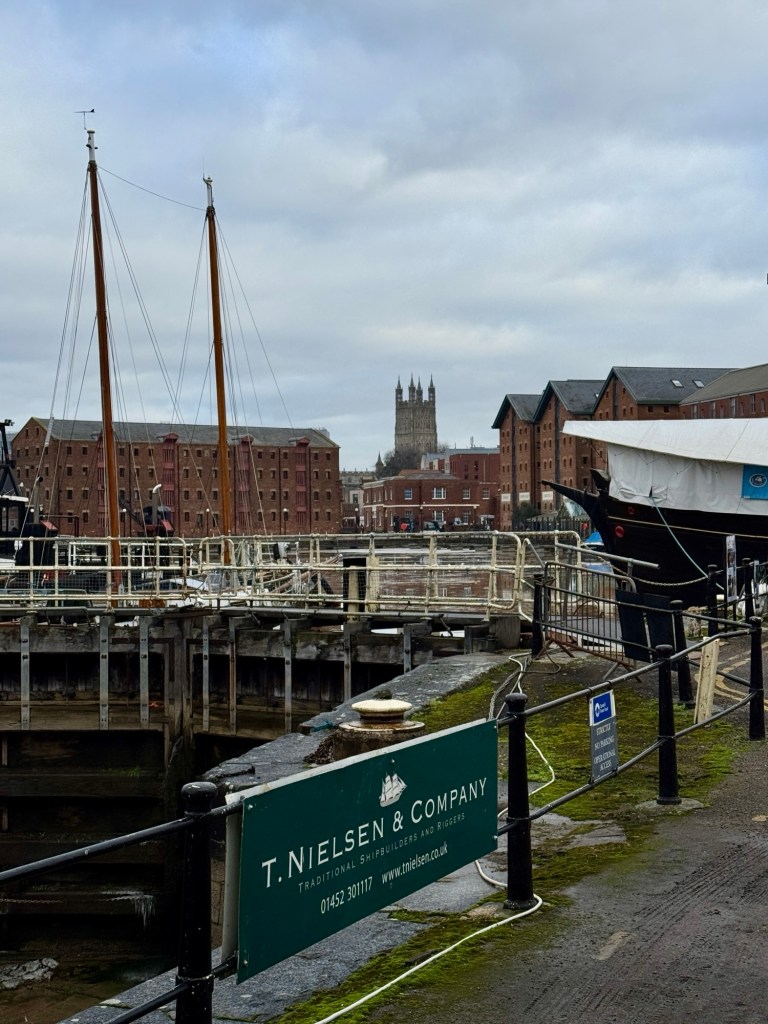
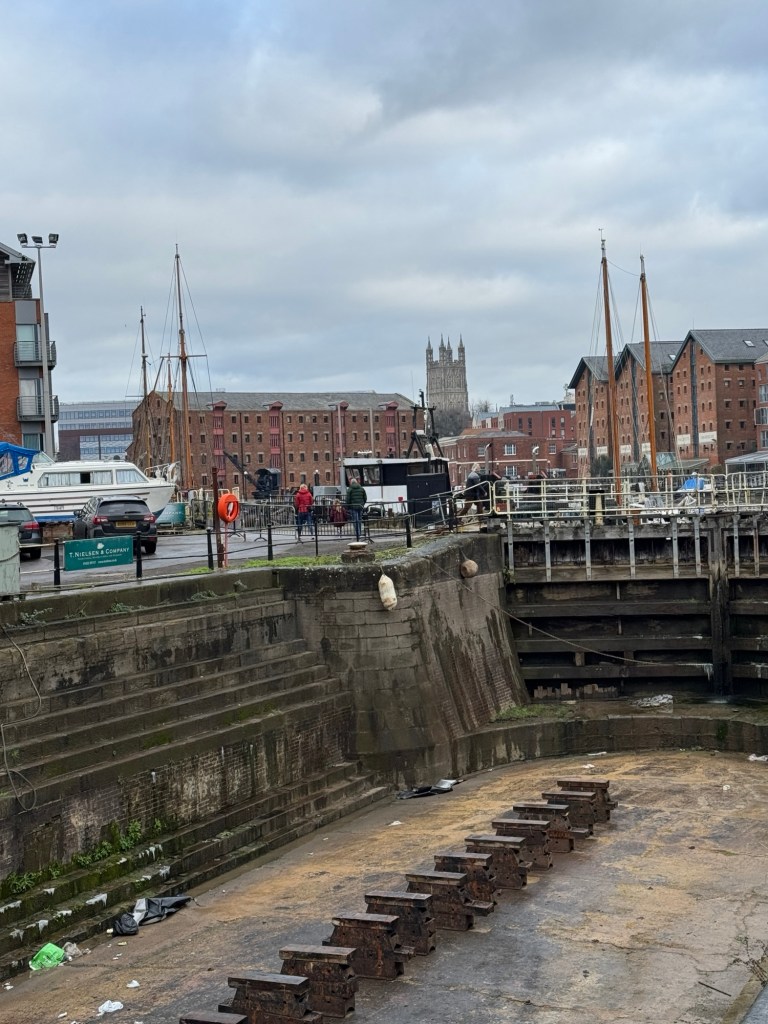
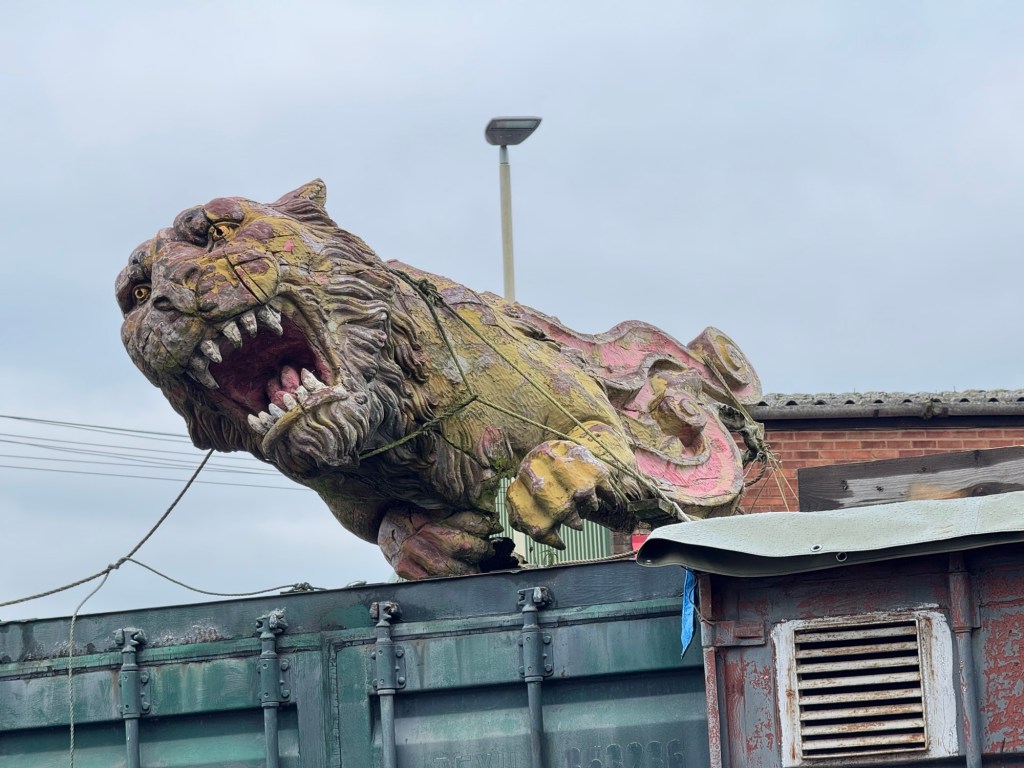
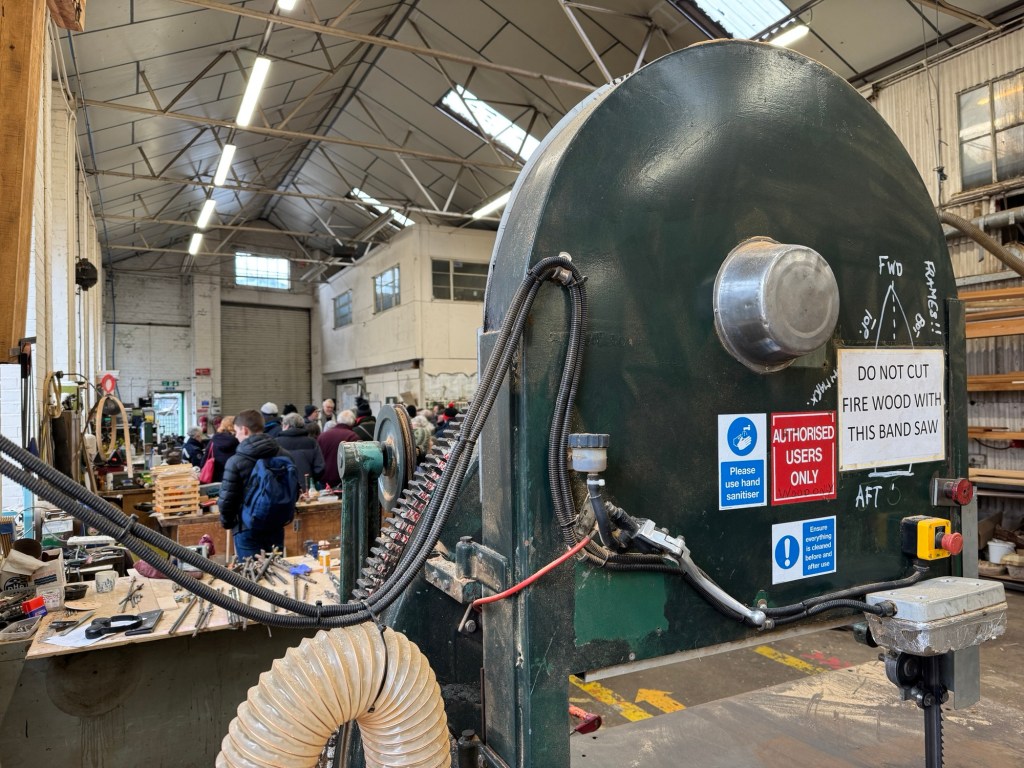
On the following morning we were treated to a guided tour of the Nielsen boatyard, given by the owner himself. The yard is almost unique in having dry docks and facilities to work on classic boats of any size, from timber planks and frames, to rigging and even foundry facilities. It’s great to see traditional skills being kept alive and work carried out on classic boats.

From Canal to Channel

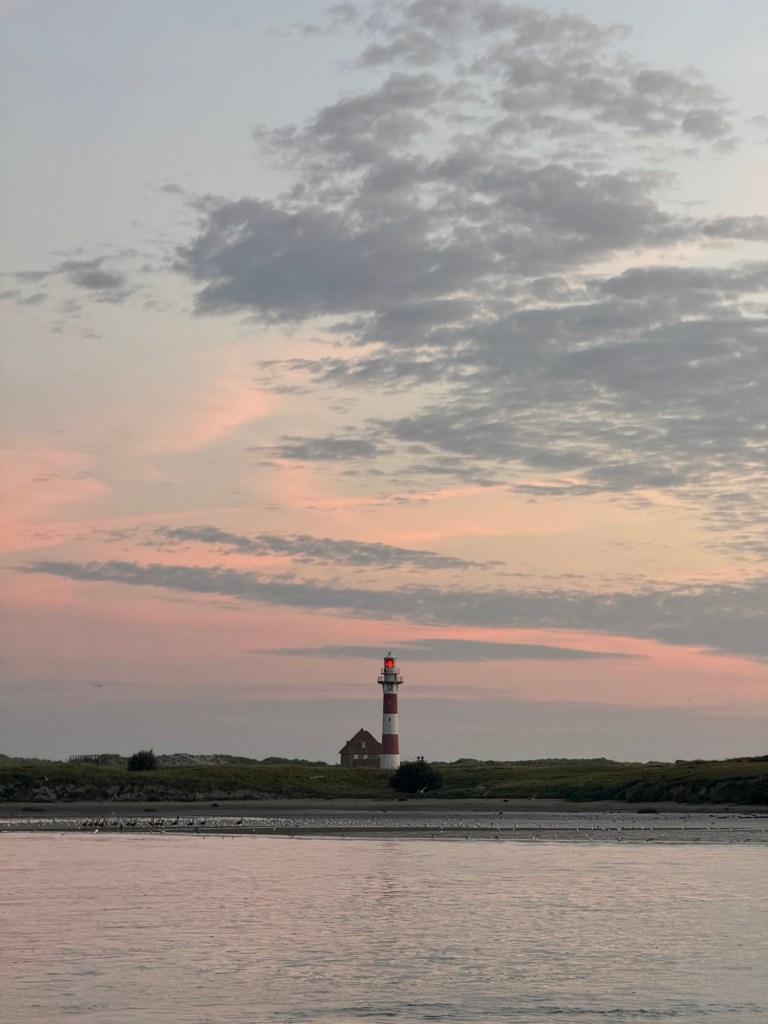
Nieuwpoort light

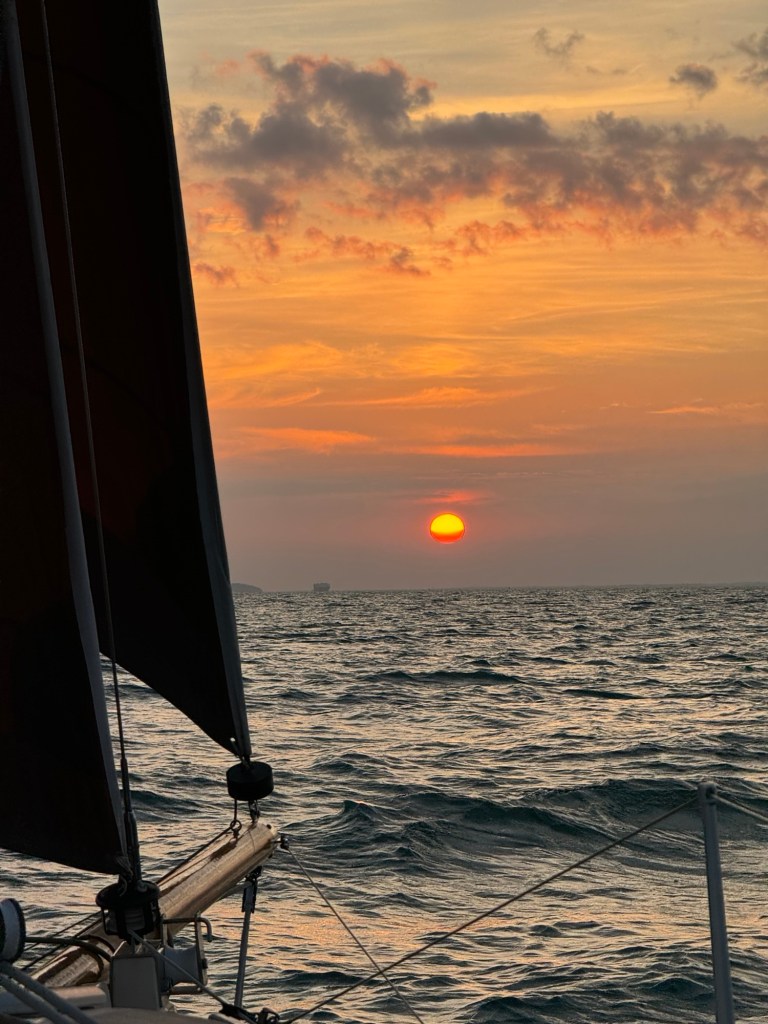
I left Nieuwpoort before light and experienced that sailor’s privilege, to see the sun rise out of the sea. I made my way close inshore against the last of the eastgoing tide. There was no wind and I abandoned attempts to sail.

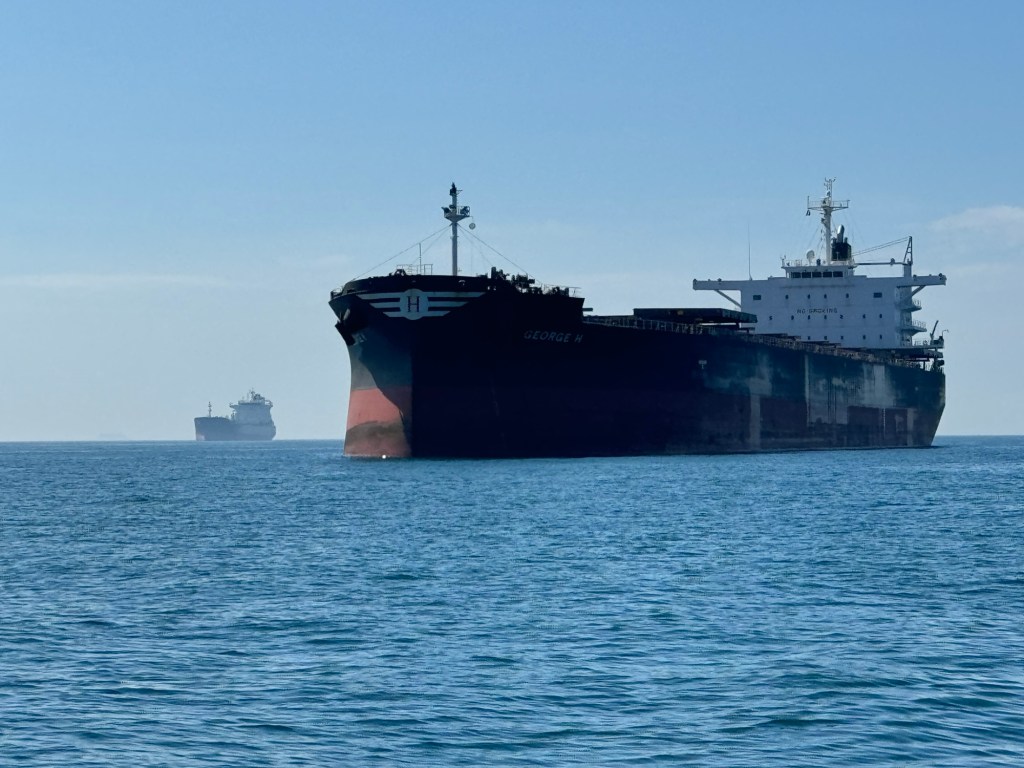
Anchored ships near the shipping lanes. From a distance, hard to discriminate from the fast moving ships in the separation zone
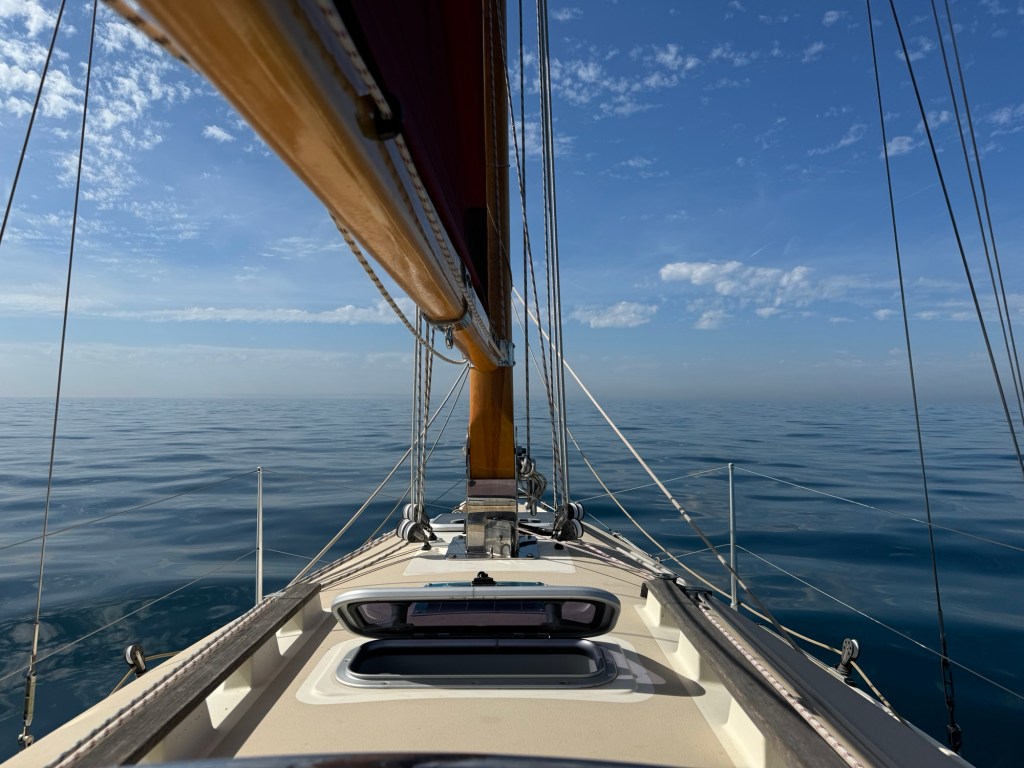
Bin bags – a glassy sea

The sea was glassy smooth and the day grew very hot. Visibility was not good and a haze hung across the horizon, making it difficult to judge distance. I was monitoring VHF channels 16 and 74 (channel VTS) and heard no less than three reports of large inflatable boats carrying migrants. This was the first day of calm weather after a period of strong winds, and evidently boats were setting out uptide on the French coast. A French navy vessel was patrolling and deployed its two fast RIBs to track the migrants along the edge of French waters. From the VHF traffic, it seemed that the migrants were picked up by a lifeboat and taken to Dover.

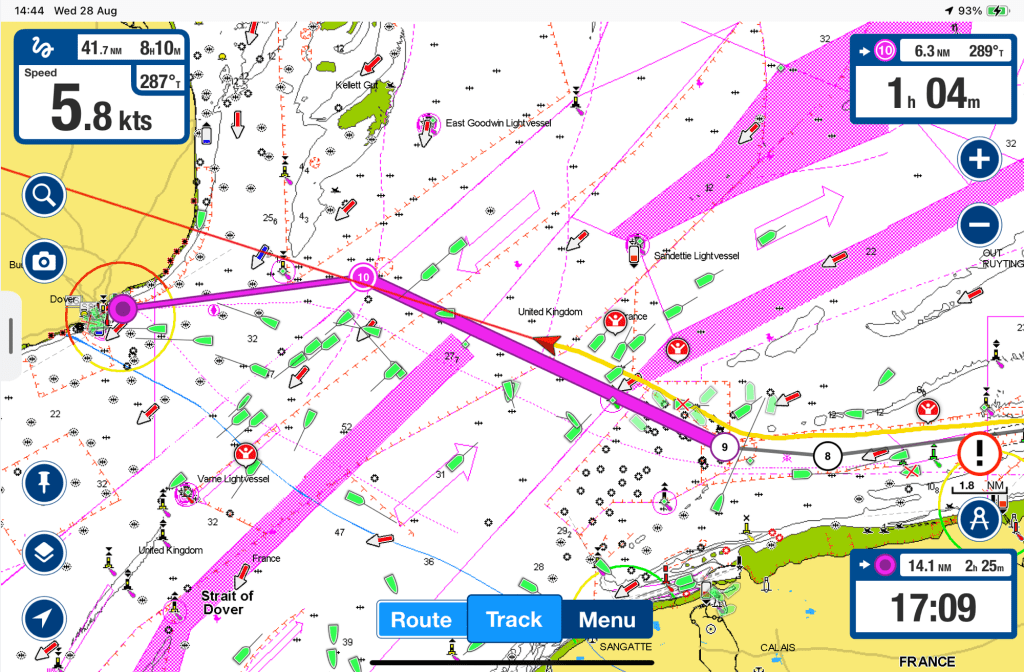
The MOB markers on the east of the chart were the reported locations of inflatables trying to cross the channel. The MOB marker to the west was a group of channel swimmers!

Approaching Dover harbour I was welcomed by a porpoise gliding past, as well as a seal inside the harbour. I paused to refuel before taking my berth, and this took some time. Although the fuel pumps had the mechanism for self service, a rather uncertain looking man leaned over the high quay and said that self service was not working. Only one pump was working, so I had a wait and once I had filled my tank, I had to visit the man in his shed. He was in charge of a most Byzantine computer system and after a few minutes of “hunt and peck”, suggested I might type it faster. All of this contrived to occupy an hour from entering the marina to tying up. Fortunately, I was not in a hurry.

The EU administration of border control had been accomplished by visiting the cheerful border policeman in his office the previous evening. The UK side of things was achieved via an efficient looking web site. However, the information was far from clear. “We have sent you an email”. No, you didn’t. “You must ring yacht line as soon as you enter UK waters”. When I rang, the automated message told me no call was needed. “You must fly a Q flag until contacted by border control”. I’d be flying that still, if I’d followed that instruction!
The next morning was forecast for northeasterlies, increasing in strength and swinging to SW. I left early, but not early enough. The promised SE wind was light and variable and not long before Dungeness head, I noticed a yacht ahead of me on a parallel course bear away to the south, close hauled. Sure enough, a few minutes later, I experienced the same 90-degree wind shift. I decided to drop sails and motor into the wind, the other boat beat on. I took an offshore route past Dungeness, to maximise the tidal lift but progress gradually slowed across Rye bay. The wind increased to about F6 and though Molly bravely plugged into the short steep seas this created, her speed was rather curtailed. I watched as the boat I had seen earlier crossed and recrossed my path, evidently with much better boat speed than me.

The day started well enough – a three sail reach (I had second reef in anticipation of the forecasted winds)
Later, boat or submarine?
The new Royal Sovereign light under construction (the stump of it to the right)

Late, I crept up to Beachy Head on a foul tide, slower and slower until the speed over the ground was less than two knots. He who fights and runs away lives to fight another day, so I reluctantly turned tail and sped downwind into Eastbourne at seven knots!

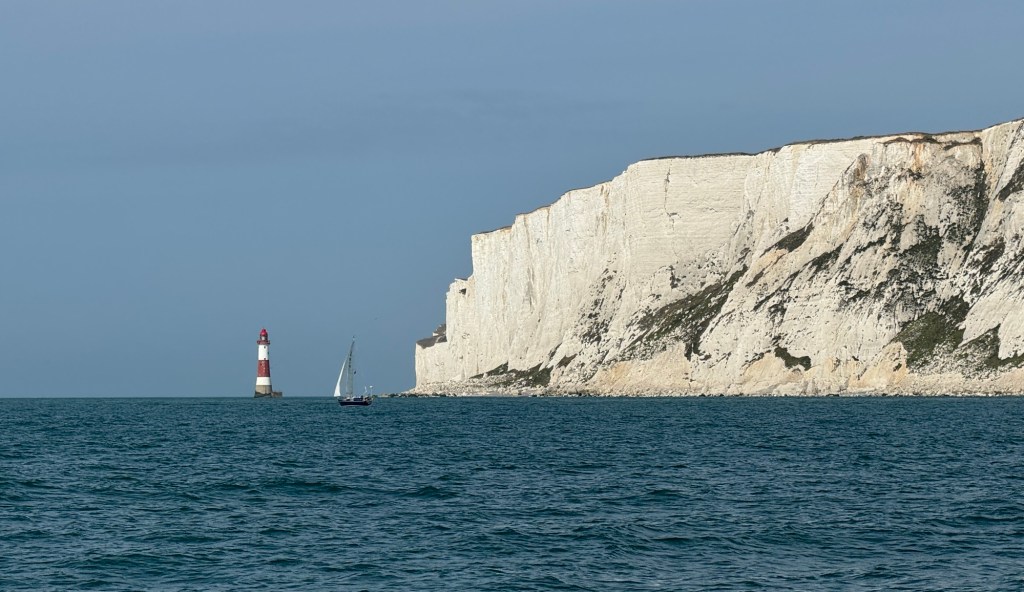
Beachy Head in more benign conditions the next day
The “Seven Sisters”, west of Beachy Head. There always seems to me to be eight, but it depends on how you count them. These are often shown when a stock shot of “the white cliffs of Dover” is needed for a film or TV programme. They’re white and cliffs, it not Dover!

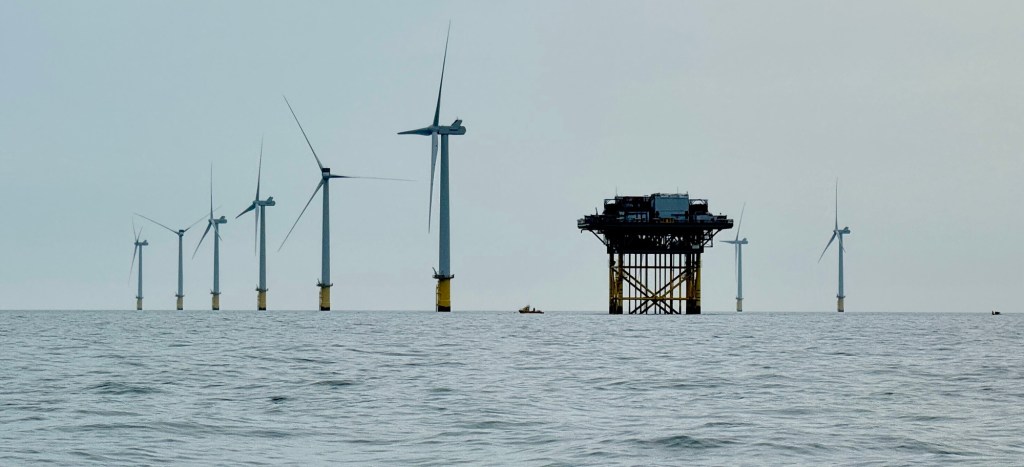
The next day was much calmer, with wind in the north. However it was too light to be useful, so I motored across Sussex Bay past the Rampion wind farm.

Rampion wind farm off Brighton

I was earlier than planned at Selsey and the current was still foul. However, it was neap tides and the sea was very flat. I therefore decided to avoid as much of the tide as possible by approaching from somewhat south of the Looe Channel and then motoring over the Outer Owers.

This is an outlying reef usually carefully avoided, but this very shallow water (4-12m observed) carried perceptibly less current. The breeze woke up at that point too, so I got a little help from the sails just when it was most helpful!

The Looe channel. For me this is the boundary of the Solent, so I was back in home waters
The beautiful Queen Mary 2 departing the Solent.
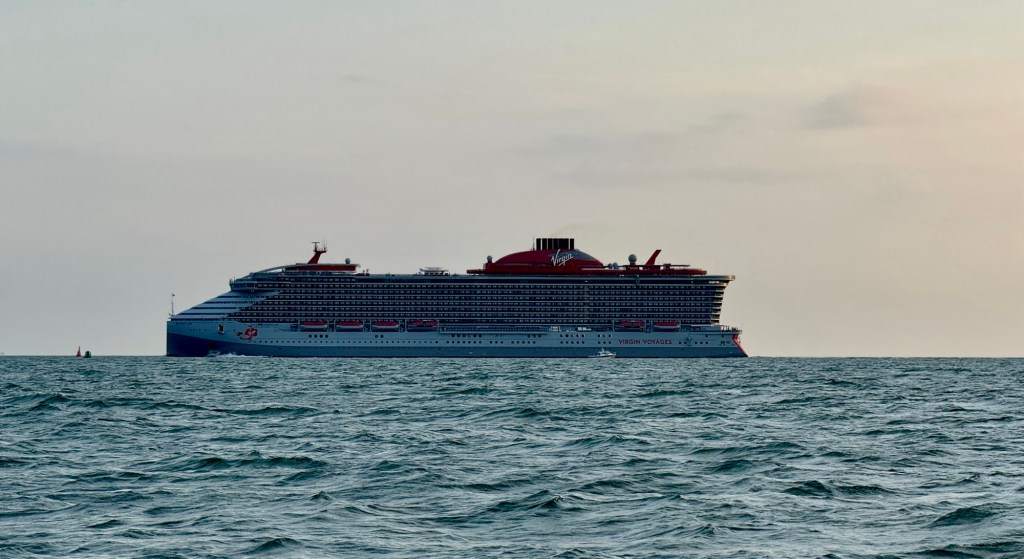
This cruise ship (My Resilient Lady) has a much higher capacity but is not exactly pleasing to the eye!
Sunset behind No Man’s Land fort, with spinnaker tower standing over Portsmouth harbour entrance

A great breeze from the north east filled in and gave me a lovely sail across the eastern Solent – what a fabulous way to end this wonderful adventure. I was enjoying the sail so much that I sailed right into the harbour, dropping the main right opposite HMS Queen Elizabeth. The police boat mooched over to give me marks out of ten, though I’m glad it was dark, because it was not a tidy fuel! I had breeze and tide pushing me into my berth, as well as being full dark by that time. I was pleased I managed that nicely but was pleased someone came by to help had I needed it.

So that’s the end of Molly’s Netherlands meander, and what a wonderful adventure it’s been. I’d like to publicly thank the wonderful Dutch organising team, Dirk and Linda Peeters for their guidance during the return leg and to my fellow UK OGA members who were such great company.

The season is mostly over, but Molly will stay in the water this winter because I hope to make a few local trips in the coming months.

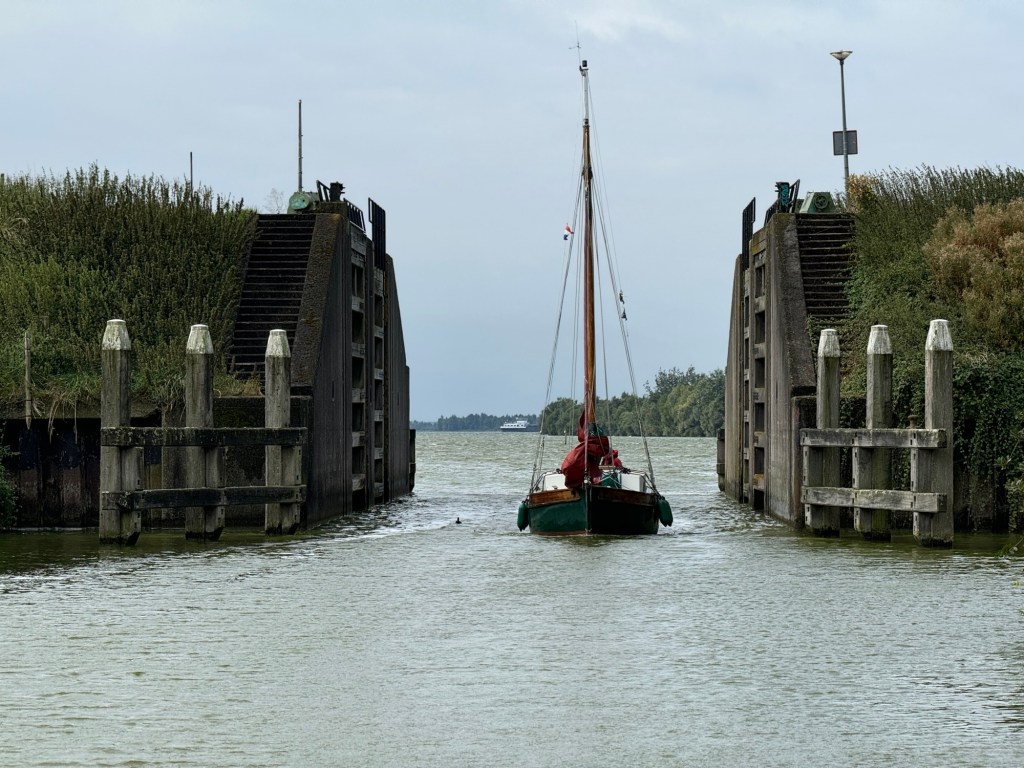
The last lock

With the strong south westerlies from the remnant of storm Ernesto finally abating, it was time to leave the seclusion of the canal system and return to la mer.

Leaving Middelburg
Exiting the sea lock at Vlissingen

As if to remind us of the comparative slowness of travelling in the shelter of inland waterways, the “blue wave” from Middelburg to Vlissingen was frustratingly slow. We then had a longer wait than expected at the sea lock.

We did however, have plenty of time for the fair tide, so once we were discharged from the lock, we emerged onto the busy Westerschelde, gathered like a clutch of ducklings before dashing through a gap in the shipping to the southern shore.

Container ship on the Westerschelde

The strong tide carried us quickly around the corner and then helped us along the coast. The wind direction was good for a fetch the whole way. Nevertheless, I used the engine too to ensure that I reached Nieuwpoort in time to check out with the customs, allowing me to be able to make an early start the next day.

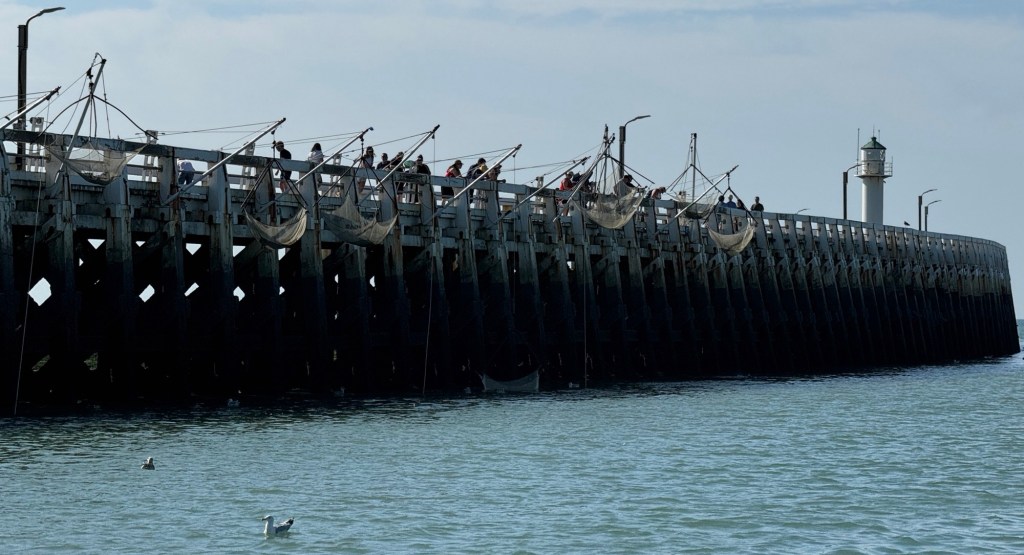
Fishing from the harbour arm at Nieuwpoort

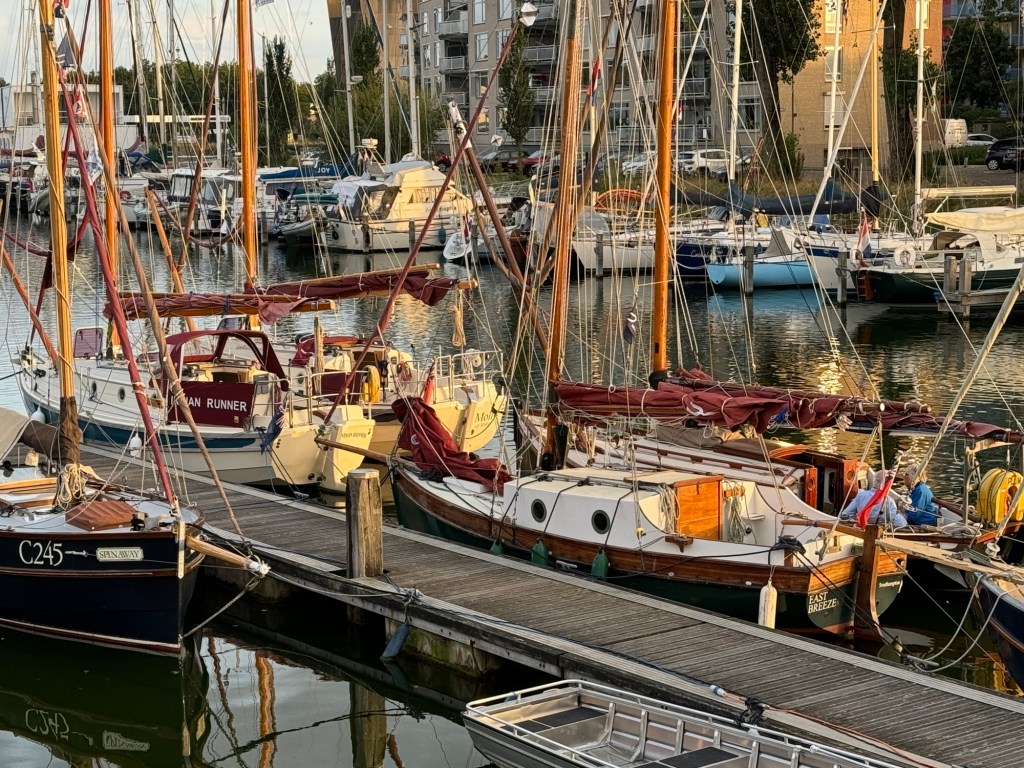
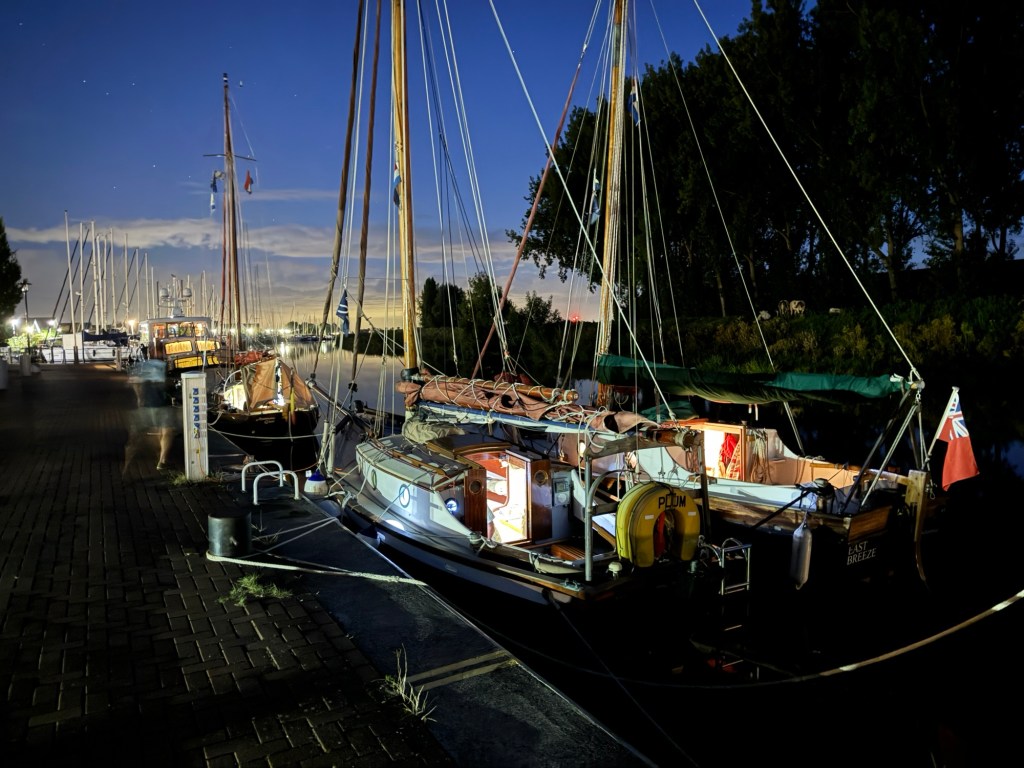
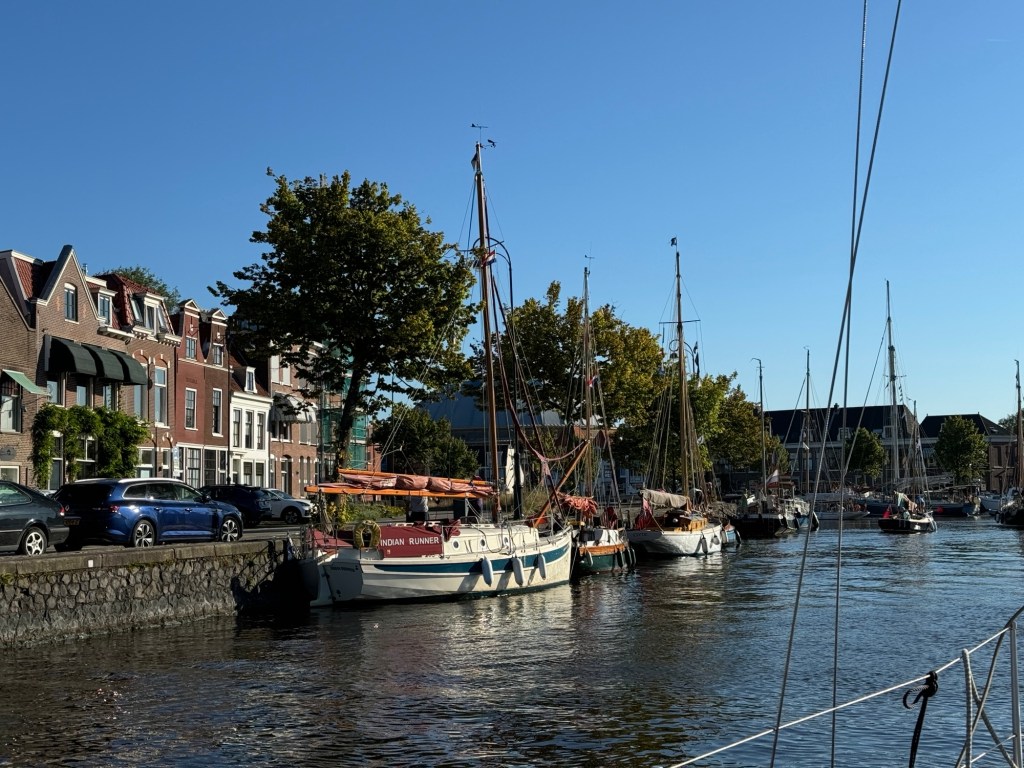
The five crews rather tired crews of Molly, Indian Runner, East Breeze, Moon River and Plum met to eat a meal together, in celebration of Chris’ birthday and our last evening as a group. Following this, Plum and East Breeze were heading for the east coast, via Ramsgate, whereas the rest of us were to cross to Dover for points west.

I’m not very good at selfies…

Return to Middleburg

A peaceful sunrise in Oude Tonge

The weather was still pretty boisterous and also straight out of the SW, so we had a day of motoring into the wind from Oude Tonge, through the Krammer sluis and along the Oosterschelde. This was surprisingly rough water and we were stemming a tide too. The wind was too strong to sail, as well as being on the nose, so we motored towards Roompot, until we could turn away towards the Zandkreeksluis. Anemone and East Breeze took an alternative route around an island to Plum and Molly, but it made little difference to our arrival time. Having passed through that lock, it was time to finally bid farewell to Dirk and Linda on Anemone, who had sailed with us ever since the pre-rally rally from Wemeldinge. Good friendships made, I am sure they will be renewed at some point in the future.

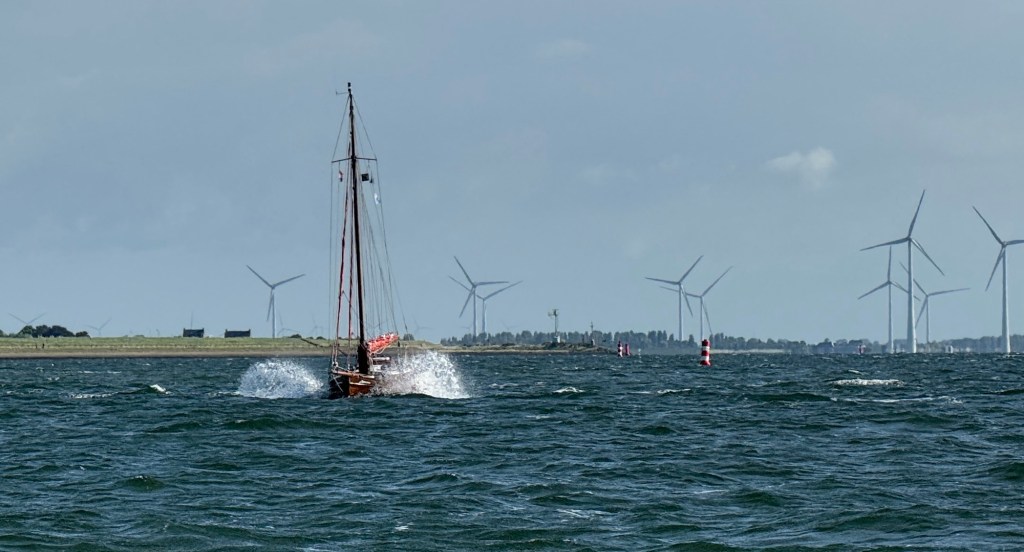
Anemone making an impressive bow wave on the Oosterschelde swell
Plum lifting her bows
Plum, Anemone and East Breeze
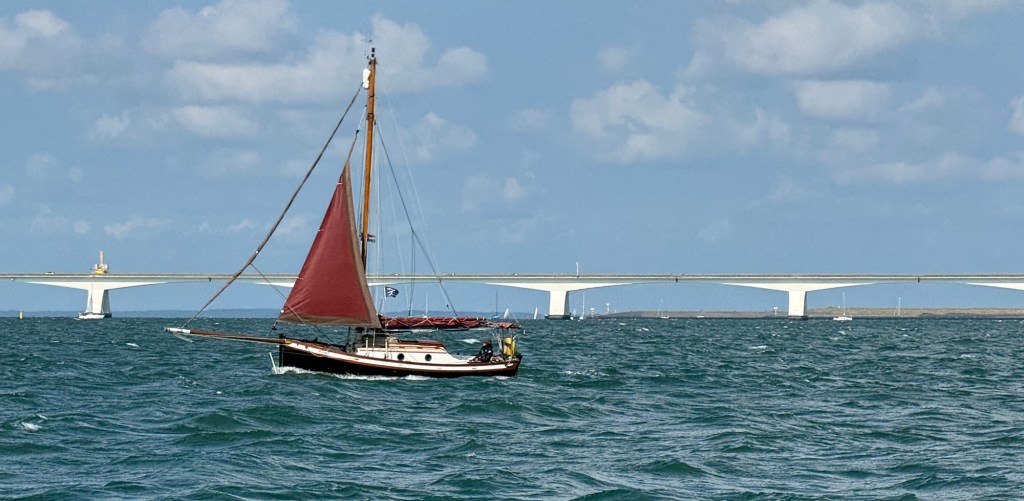
Plum against the impressive bridge across the Oosterschelde
Hidden shallows – skirting the withies

Our destination was Veere, at the far end of the Veerse meer. This very pretty town had just enough space to accommodate our fleet of three against the pontoon. Another sailing club with excellent facilities and another companionable meal aboard Molly, prepared by Marion of East Breeze.

Moored in Veere
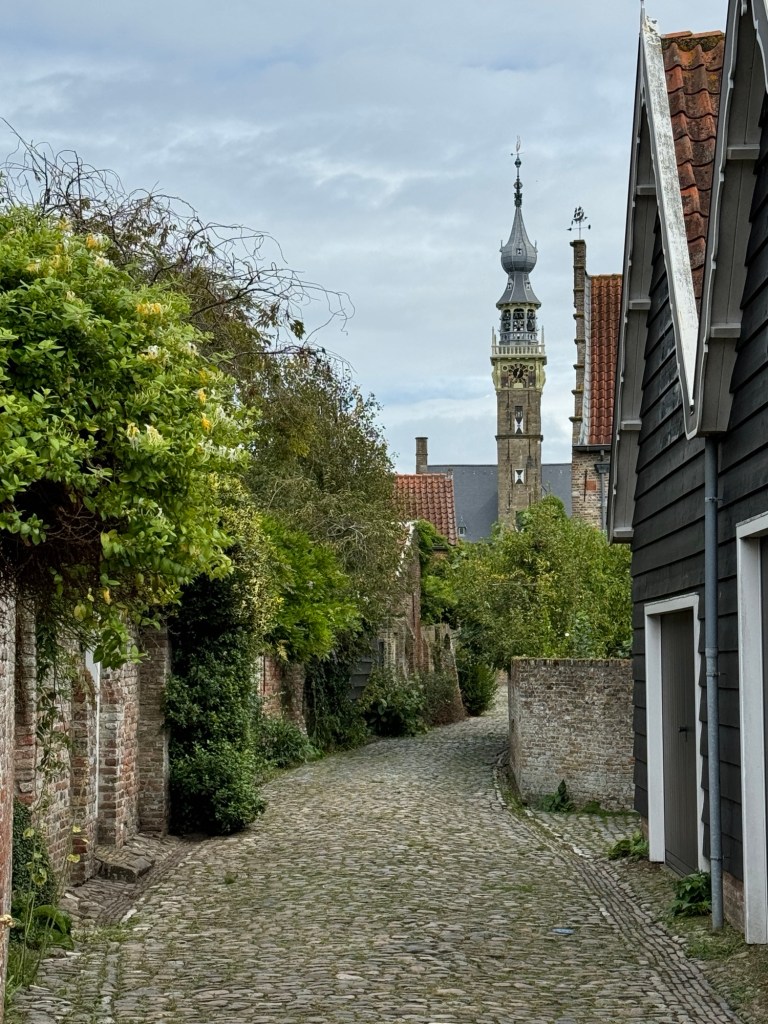
Veere’s ornate town hall viewed from the immaculate old streets
Grote Kirk. The angular structure at the top is the observatory. The beautiful golden galleon at the top is always sailing downwind!

In the morning, there was time to walk around the old town and enjoy an excellent slice of Apple Cake. Colin and I visited the Grote Kirk. This place was less a place of worship and more of an art and history museum. The city of Veere was historically significant in earlier centuries and the church had also suffered both heavy damage and re-purposing in the nineteenth and twentieth centuries. The impressive 50m tall sixteenth century tower survives and we climbed the 240-odd steps to its onion shaped wooden observatory, which offered superb views away north to the sea, southwest down the Veerse meer and East over the farm land.

The impressive view from the top. Veere in the foreground, with the Veerse meer, Roompot and North Sea in the distance

It was in that direction we motored after lunch, to join Moon River and Indian Runner in Middelburg, ready for our departure onto the North Sea the next day. We were welcomed with the customary helpfulness by harbourmaster Susanne, and we moored by her Mk1 Crabber, Spinaway.

Dinner in the evening sun on Plum

Hidden havens

Numansdorp harbour at the end of its canal

An advantage of travelling with a local is that you see places that might well otherwise pass beneath the radar. Our latest two stops are good examples of this, thanks to our good fortune to be travelling back from NL OGA 20 with Dirk and Linda of Anemone.

The Netherlands has a network of Watersportsvereniging (thankfully abbreviated to WSV!) which are basically private clubs that have visitor berths, rather than commercial marinas. These can often be found in small towns nestled behind the dykes and accessed by narrow channels.

Numansdorp and Oude Tonge are two examples of this. They are accessed by improbably narrow channels (made possible by the effective absence of tide) and providing both excellent shelter and charming locations.

In our current crawl south west against the worst that ex-storm Ernesto can throw at us, we have been looking for short hops to bring us to the best place to pop out onto the sea when the weather is more favourable for our passage.

Numansdorp entrance from the shore
Numansdorp entrance seen from the outside

When we approached Numansdorp along the Hollandsch Diep, I almost sailed straight past, so narrow was the entrance. In the especially lively conditions prevailing, motoring towards that lee shore felt quite intimidating but a mole projecting from the entrance made the waters in the approach very calm. After winding past reef beds into the town, we found sheltered berths for our party.

Numansdorp

The weather was bad enough that we stayed two nights and I took the opportunity to repair the autohelm mount (important for the impending long passages on my solo homeward journey) and also borrow a bike to explore nearby. The second night was topped off with a lovely shared meal, prepared on our boats. The aperitif was enjoyed on the quayside and then the crews of Anemone, Plum, East Breeze and Hussar repaired aboard Molly for the remainder.

Eating aboard
Numandorp evening

The next morning was an early start to use a short weather window to make more progress, this time to Oude Tonge. This was another small town with plenty of space for visitors, lovely local eateries and convenient shops. The harbourmaster’s assistant bucked the trend of these WSV marinas, in that the staff are almost universally friendly, accommodating and helpful.

Oude Tonge was one of the worst affected villages during the terrible flood during the winter of 1953. We visited the memorial and the devastating effects of the inundation were a reminder of the vulnerability of the Netherlands to the sea. The plaques commemorating the dead showed whole families lost in this tragedy.

In common with most of these villages, Oude Tonge has an impressive brick church

In the evening, we shared a most excellent final meal together at the quayside hotel – I enjoyed the most delicious mussels I’ve ever eaten, cooked in the Dutch way with a few vegetables (celery, onion and carrot) and herbs (thyme and rosemary). A fitting end to this phase of the trip.

Looking back, passing through the dyke at Oude Tonge
Travelling up the canal to Oude Tonge
Moored on the quayside at Oude Tonge

Back through the canals

Passing through the Oranjesluis back into the canals

During the rally, we enjoyed an extended period of warm, sunny weather but the remnants of hurricane Ernesto upset this fair spell. Several members of the fleet had made a rapid departure down the North Sea canal to Ijmuiden and a sea crossing before the bad weather arrived, but they were all heading for the English East coast. With strong SW winds expected along the Dutch North Sea coast, this route was not an option for Molly, so a group of us elected to reverse our outbound path along the standing mast route.

Anemone on a glassy Markermeer

With limited time available, we made longer hops each day and missed out several stops, but also took the opportunity to overnight at some different places.

The first day, I sailed Molly from Enkhuizen to Durgerdam, whilst Niki and Alice took the train to visit Amsterdam for the day. My trip started with “bin bags”, motoring across a glassy sea. As I rounded the island of Marken though, a lovely breeze filled in and I enjoyed a welcome sail all the way into Durgerdam. We stayed at the very welcome Het Y sailing club again and enjoyed beers on the veranda before pizza aboard Molly.

The next morning we made an early start and passed through Amsterdam and onto the Zijkanaal south towards Haarlem. We spent another night against the wall in the city and entertained Dirk and Linda of Anemone aboard for a dinner of vegetable curry, prepared in the thermal cooker at lunchtime, whilst waiting for the Spaarndam bridges.

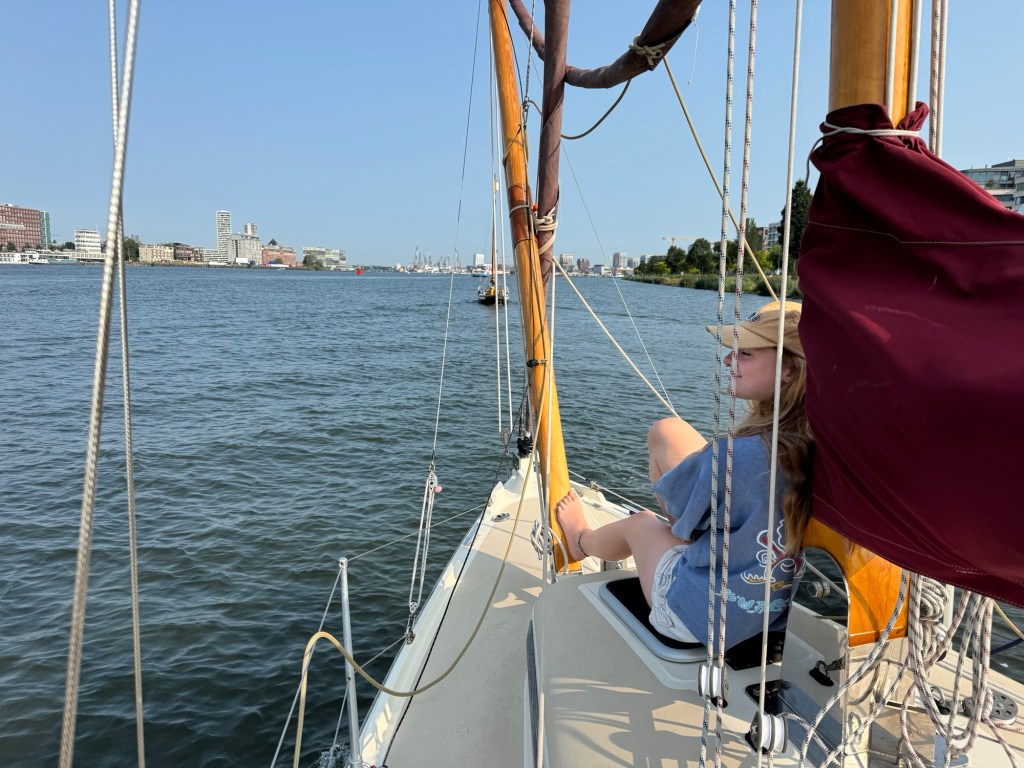
Passing through Amsterdam

The third day was shorter, with a later start and the first of two “bridge marathons”. After twelve bridges (and one lock), we passed Kaag, pausing only to refuel and moved on to an overnight stop at a lovely spot at the southern end of the Braasemermeer at Gr Hem, a sort of hollow island surrounded by the lake. The facilities were simple but it was a glorious spot, though we were not really able to appreciate it as it rained heavily most of the afternoon and evening (though this was only the third rainy day in a month!)
An early departure from the Brassemermeer

Our fourth day, the last with Niki and Alice aboard, was to be a second “bridge marathon” to pass through Alphen and Gouda. The bridge before Gouda had been closed for maintenance during the previous week and that day was the first opening. As a result, there was a lot of other southbound traffic, in contrast to previous days. Nevertheless we made fantastic progress and were past the bridges at Alphen and the lock at Gouda before 11.30. That’s 15 bridges before lunchtime! Unfortunately, in the heavy traffic, our fleet became divided with only Avola and Molly in the vanguard.

Alphen aan den Rijn
Avola before the bridge at Krimpen

Avola and Molly reached the Wijnhaven Marina in Dordrecht in late afternoon and found there was only just space for us. Niki, Alice and I went out for a valedictory meal, as the girls were due to fly home the next day and I was to bring Molly home from solo from that point.

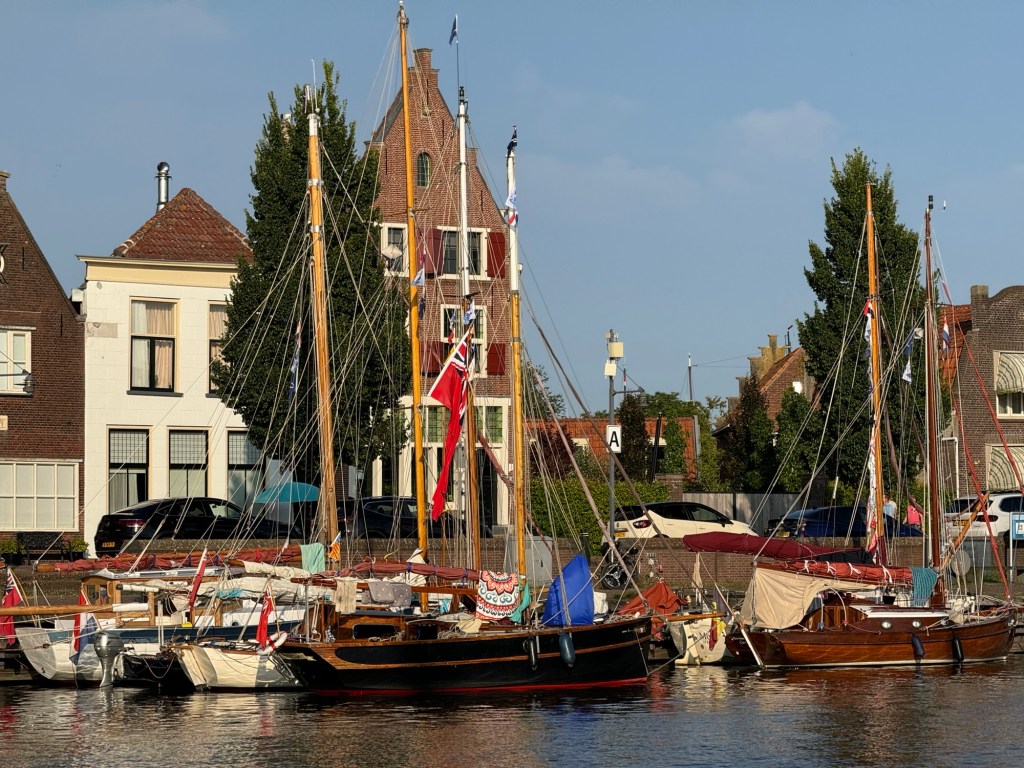
An ending at Enkhuizen

At Hoorn, we were joined by Alice and her friend Leah, who had been inter-railing together since finishing their exams in June.

The first battle of the Zuiderzee
Molly and Lahloo rafted at Hoorn
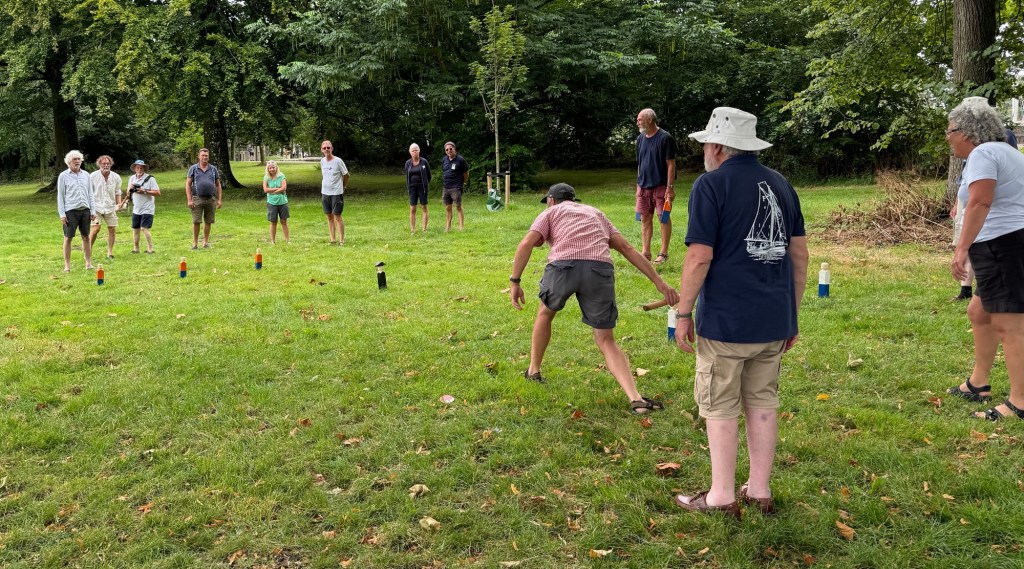
Games in the park

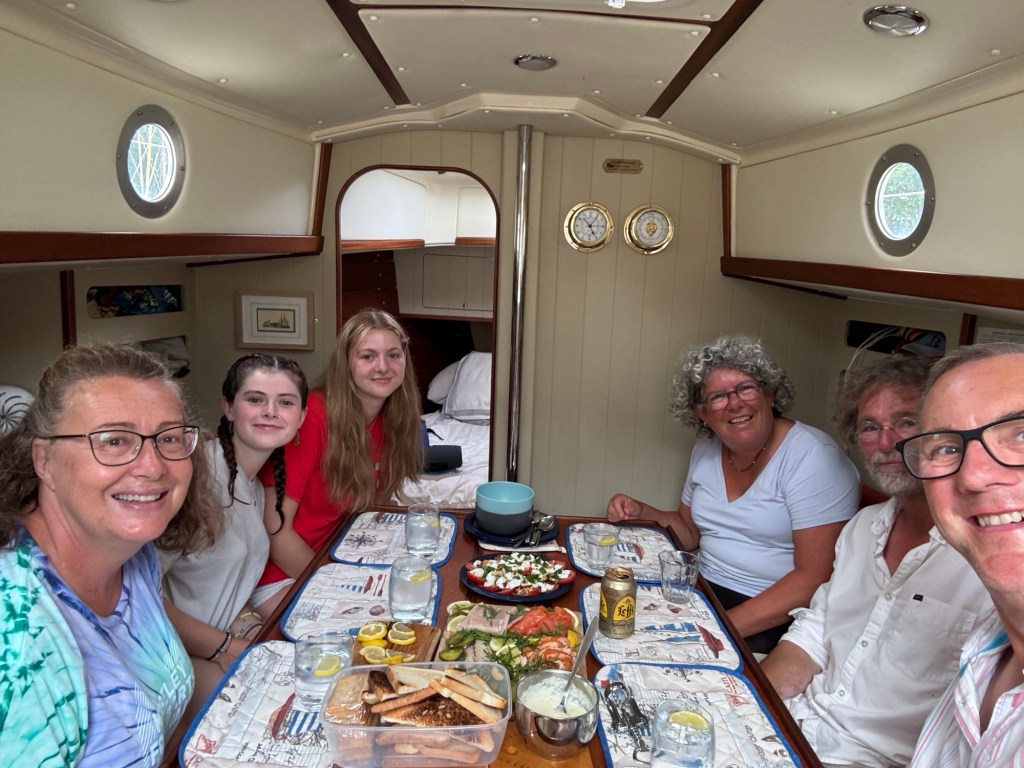
We enjoyed two nights in Hoorn, and on the second hosted an exchange meal aboard Molly. Each English crew was paired at random with a Netherlands crew, in order to further foster Anglo-Dutch friendship. Our guests were Maud and Freek, of Bluebird, a beautiful wooden 1912 Bermudan racing boat. We were treated to wonderful platter of local smoked fish for a starter and team Molly reciprocated with coq au vin from the thermal cooker. The gin and tonic aperitifs, followed by some lovely red wine ensured a convivial evening.

The crews of Molly and Bluebird sharing an exchange meal aboard Molly

The next morning was A-level results day for the girls, an entirely electronic affair conducted with the traditional IT struggles but both girls were delighted to gain the grades they needed for their chosen university.

Celebratory fizz!

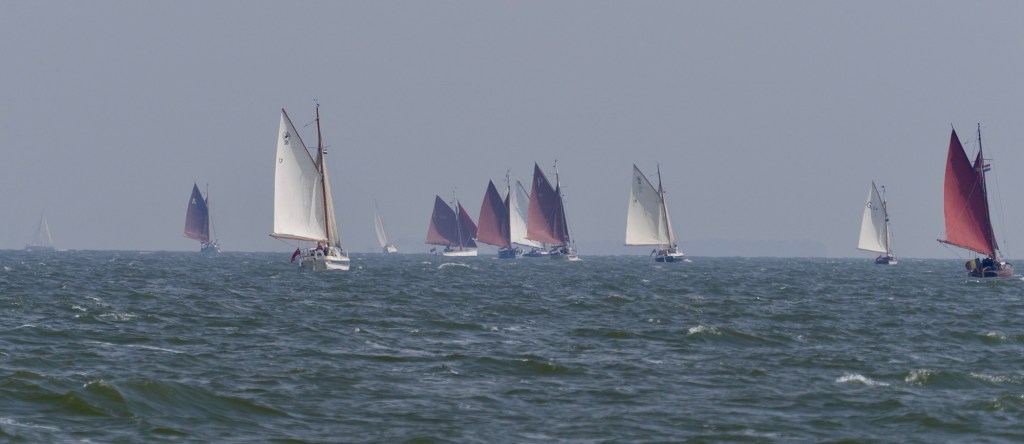
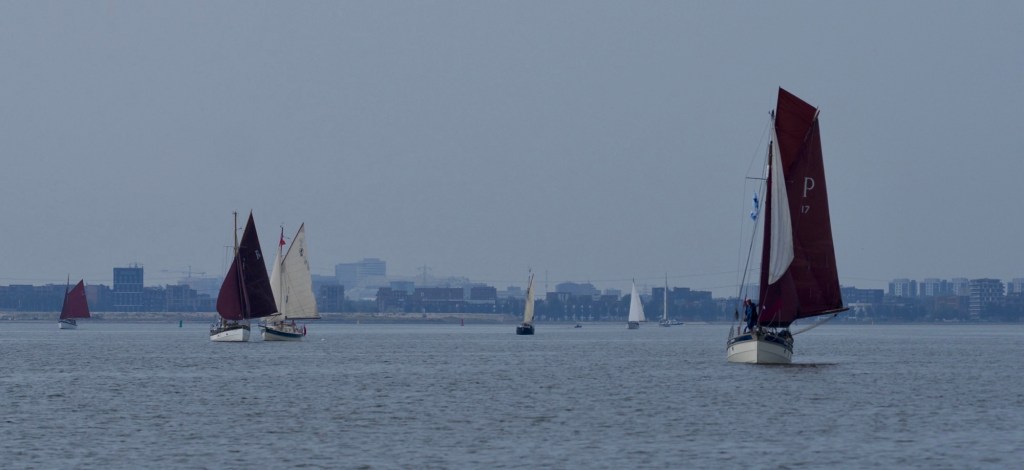
After the very light airs for most of the passage to Hoorn, we were treated to a marvellous sail, off the wind for the final outward leg of the rally from Hoorn to Enkuisen. The fleet made a terrific sight spread out across the bay and we soon arrived at the sluis which transferred us from one body of fresh water to another, the Markermeer into the IJsselmeer.

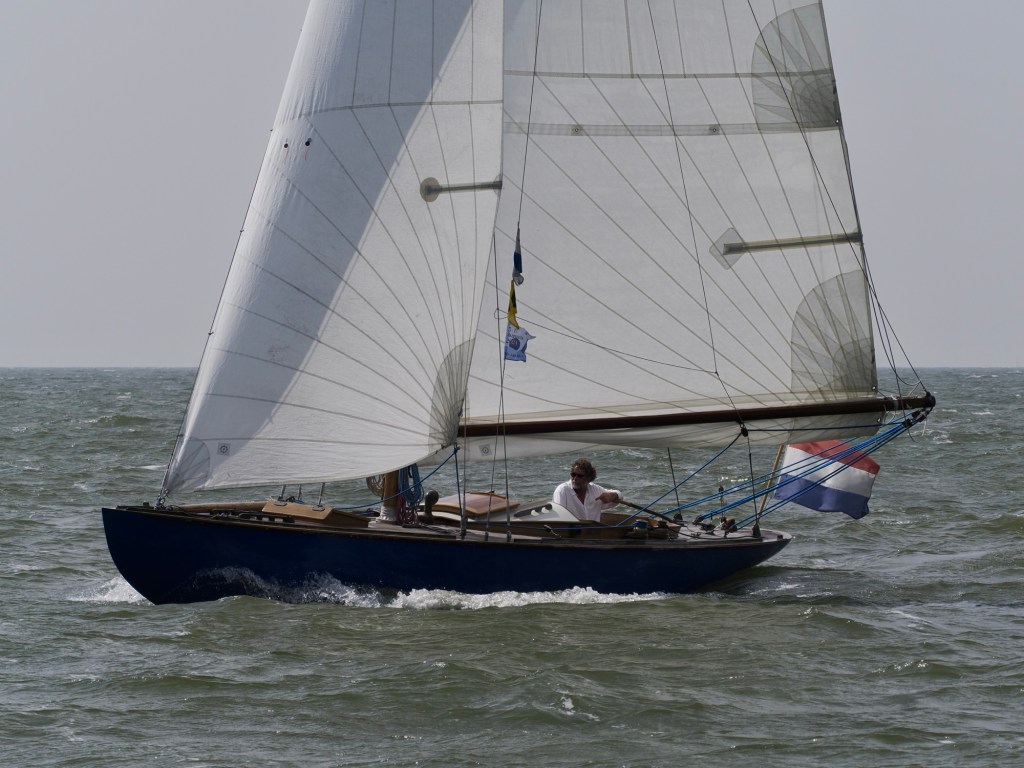
Freek at the helm of Bluebird
Oeral Thùs (name means “at home everywhere “) powering along. She is a sailing barge dating from the end of the 19th Century
Cape Cutter 19 Stardust
Jan Blank, self built by Rik Hansen
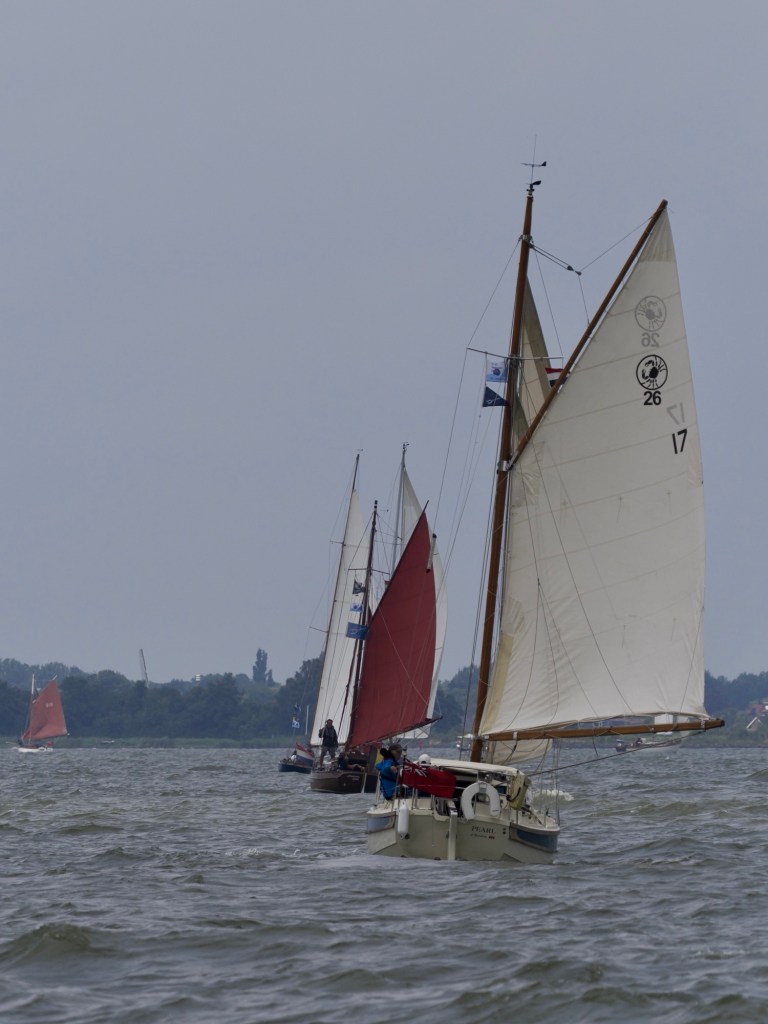
Cornish Crabber 26 Pearl of Beaulieu

The first skirmish of the Battle of the Zuiderzee was fought during this passage. We towed clogs again but had also been set the task to pass a capsule containing the sailing instructions from boat to boat whilst we were underway. We saw the heaving line cast from Stardust to Clytie and then to Bonita. Bonita passed it to us during a slightly hairy close pass.

Drinks on the quayside

As usual, the fleet made a fine sight at the new port, Enkhuizen, rafted to the town quay. We celebrated the girls’ success with a harbourside meal not twenty yards from our berth. The next day began wet and grey, but undaunted we went to the Zuiderzee museum.

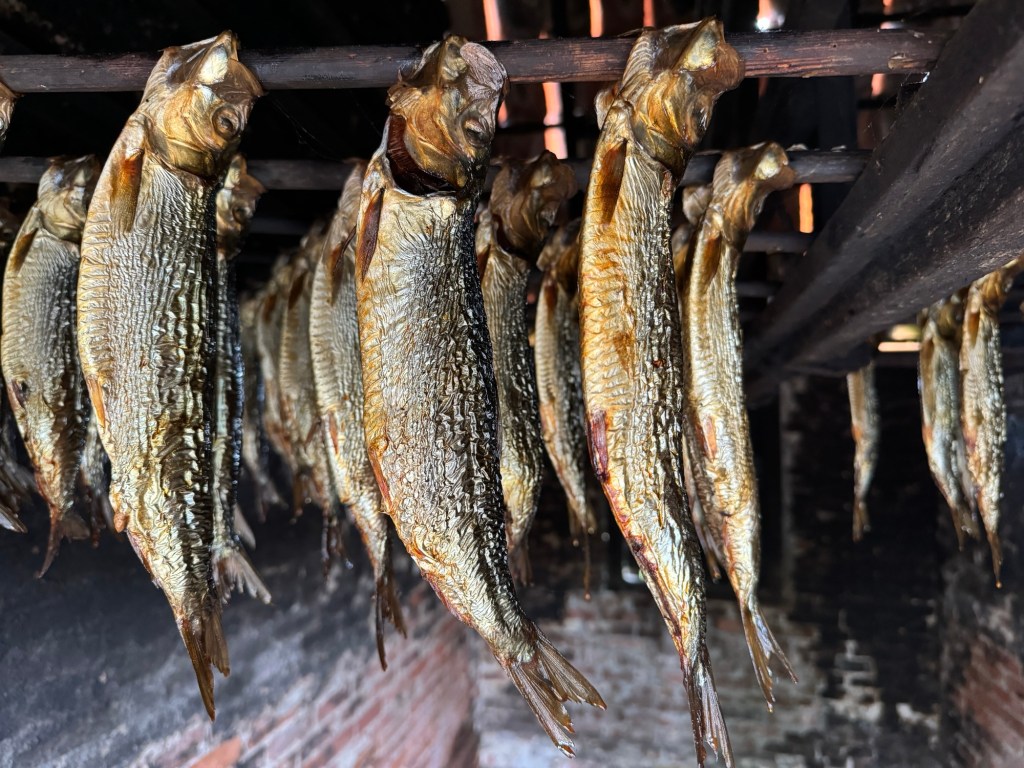
Hot smoked herring (it was delicious!)
Zuiderzee museum

This was a very interesting place, comprised of buildings, boats and other artefacts showing the life of the folk who lived and fished around the former Zuiderzee before it was shut off from the sea in the early part of the 20th Century. Land was recovered, the water became fresh and a way of life faded from existence; the purpose of the museum is to record these customs.

After dinner aboard, we shared drinks with our raft-mates Dirk and Linda on Anemone (“the enemy”) and we found we had much in common, particularly enjoyment of good beer and whisky.

I had visited a slijterij (off licence) to procure a bottle of Dutch gin and having chatted to the proprietor had been persuaded to also buy a bottle of Dutch whisky (that wasn’t hard!). I did not even know such a thing existed (there are several, this was Millstone from Rotterdam) and whilst it’s not “scotch”, it’s a pleasant drink.

Delicious Trappist beer aboard Anemone

We bowed out of the second skirmish of the battle of the Zuiderzee and chose instead to provision the boat, ready for the long passage home. With some stiff south westerlies forecast for mid-week, thoughts of the quicker sea route were discarded and we set to devising the quickest way to reverse our outward journey.

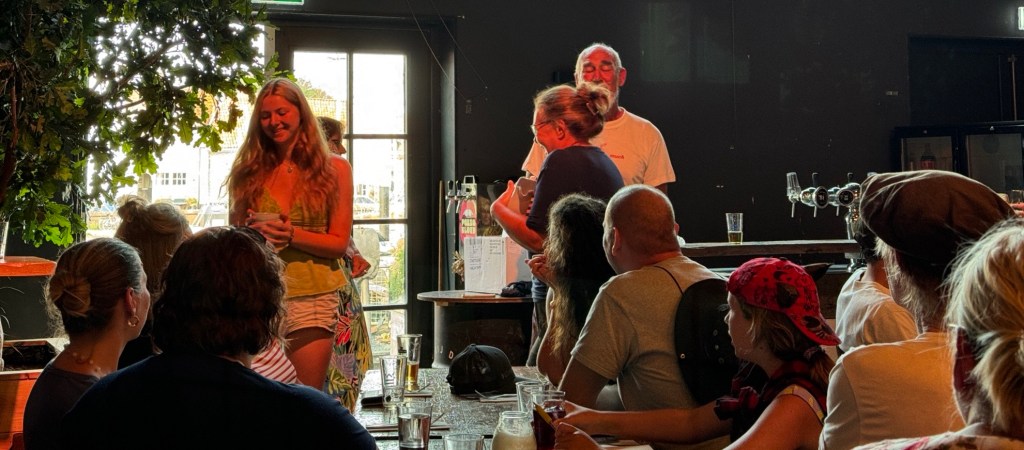
The end of the rally was marked with a most enjoyable party, each boat being awarded a small individual gift to mark their participation in the event. Alice was much more pleased to be taught to play the “bones” and then gifted with a pair to take away and practice on! With many new social bonds formed during the rally it was a lively affair and many fond farewells made before the final dispersal of the fleet the next morning.

Prize giving ceremony

Niki and I shared a nightcap with Jelle and crew aboard his lovely Cornish Crabber pilot cutter. Much whisky was drunk and sea tales exchanged.

Markermeer

Downwind in light airs on the Markermeer

After two weeks cruising the canals and lakes of Holland along the standing mast route, Molly is now back to more open water.

Leaving Haarlem
Niki at the helm
Puffin

From Haarlem, we passed under the Spaarnespoor railway bridge and through the Rijnlsndsluis onto the North Sea canal, passing through the centre of Amsterdam and out of the Oranjesluis onto the Markermeer.

The Markermeer is part of a former inland sea, the Zuiderzee, which has been gradually reclaimed under the Zuiderzee Works. The Markermeer is a body of fresh water, separated by a dyke from the IJsselmeer to the north.

It was incredibly hot as we approached Durgerdam, so chose to anchor in the bay outside the harbour for a swim. Lots of other boats had the same idea and vessels of all sorts were scattered across the bay.

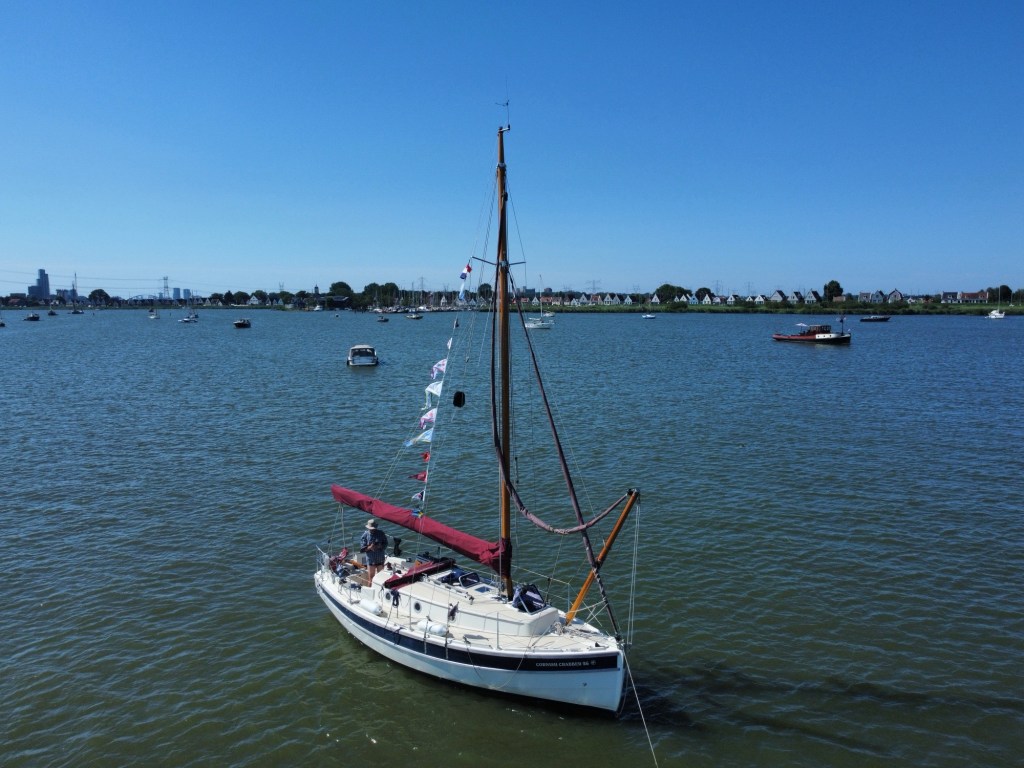
At anchor outside Durgerdam

Refreshed, we entered the Het Y sailing club for the NL OGA 20 party. With formalities and many beers exchanged between the Dutch and English fleets, the rules of engagement for the following day’s Battle of the Zuiderzee were exchanged.

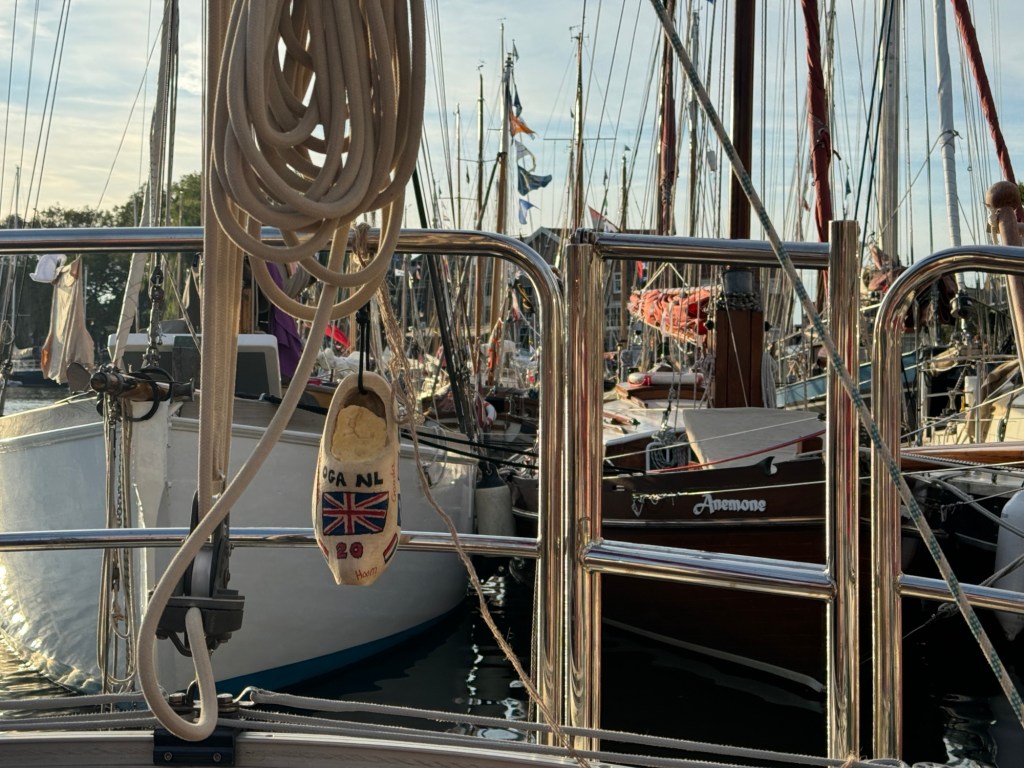
Each boat had been decorating a clog, which was to be towed astern on the passage to Hoorn. The object was to capture the opposing team’s clogs, whilst avoiding losing one’s own.

There was very little wind as we made our way out and it was a case of “death in slow motion” as one boat drew up to another, those with the biggest sails at the advantage. Molly scored an early victory, capturing a Dutch clog early on. She was raided twice, on the first occasion the raiders (Bluebird), having snagged our clog with their boat hook, dropped it and I dived in to retrieve it. On the second raid, our clog was captured by Persis.

Jan Blank was not above sculling up to relieve a victim of her clog
Pilot cutter Persis bearing down to capture our clog
Onward of Ito

The air was hot and still, so after we lost our clog, we started the engine to create a breeze of our own, but before long the true breeze filled in and we had a lovely sail for the last few miles into Hoorn.

During this leg, we encountered the dreaded weed. The Markermeer is an almost uniform 4m deep in this area and there are large patches of water plant in places. This has long fronds which can entangle boats. We could hear the fronds brushing Molly’s underside at times and several times under engine we could hear the revs drop. Clearly we had passed over weed beds and some had caught around the stern. I found that a big burst of astern cleared it, but our centre plate makes us vulnerable. We seem to have escaped unscathed but next time we anchor, I’ll don my mask and take a look for myself.

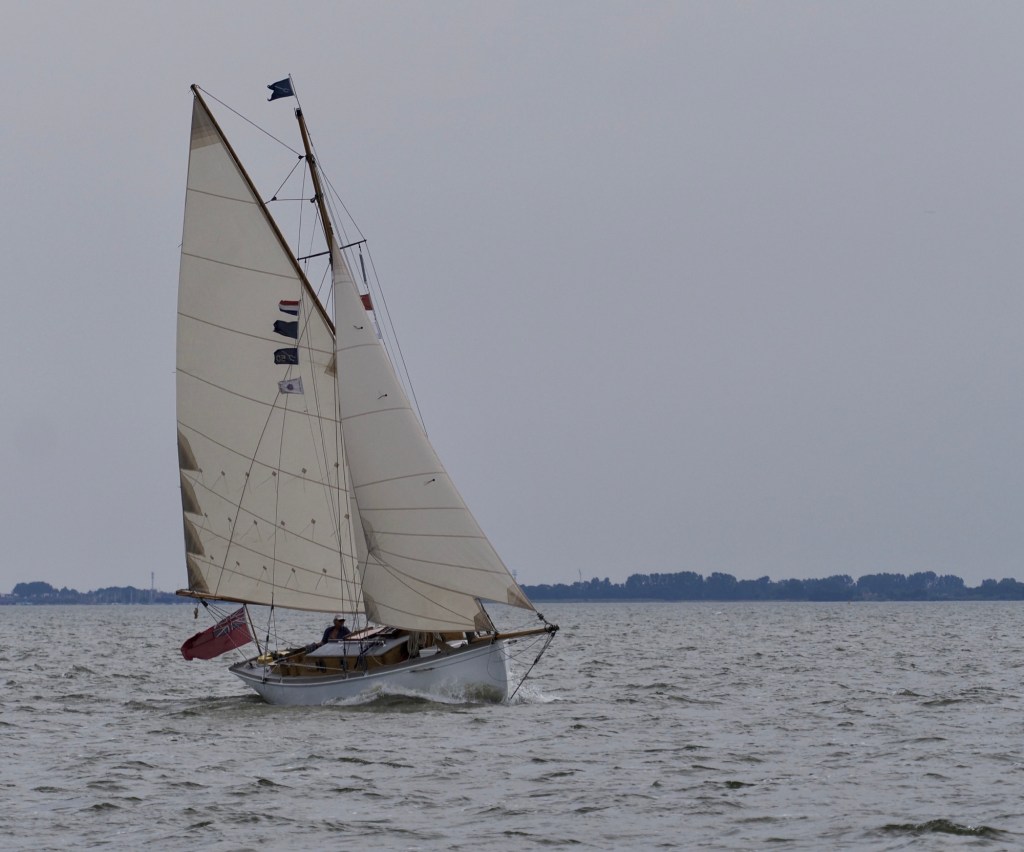
Clytie
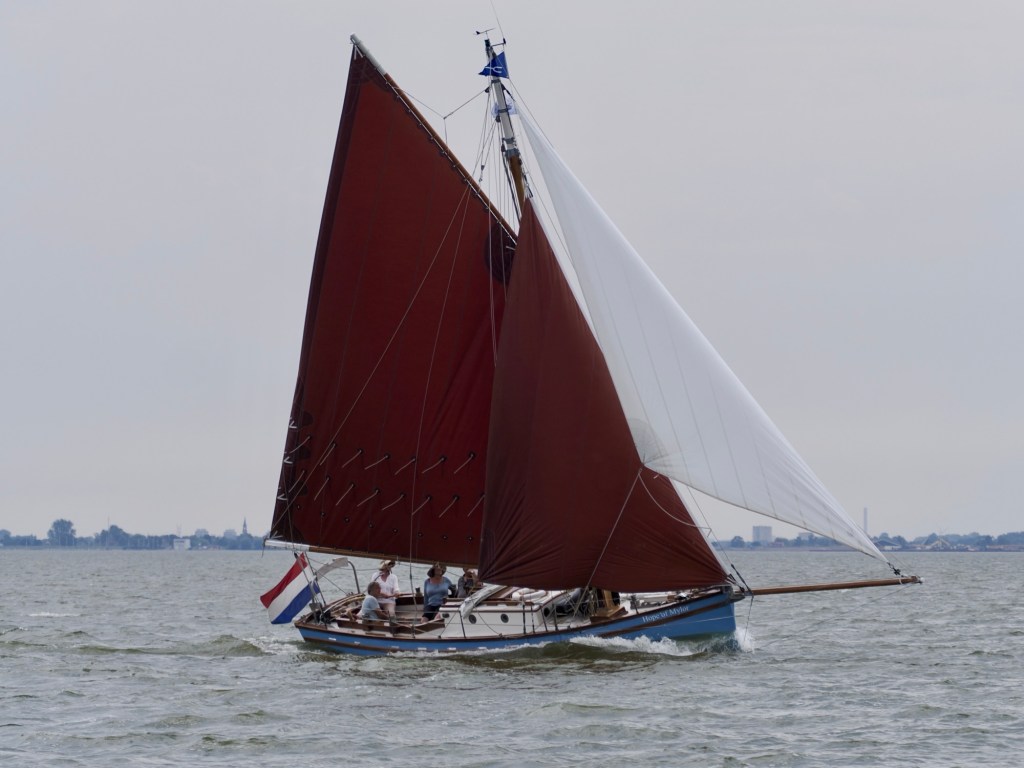
Hope of Mylor
Lahloo
Satellite
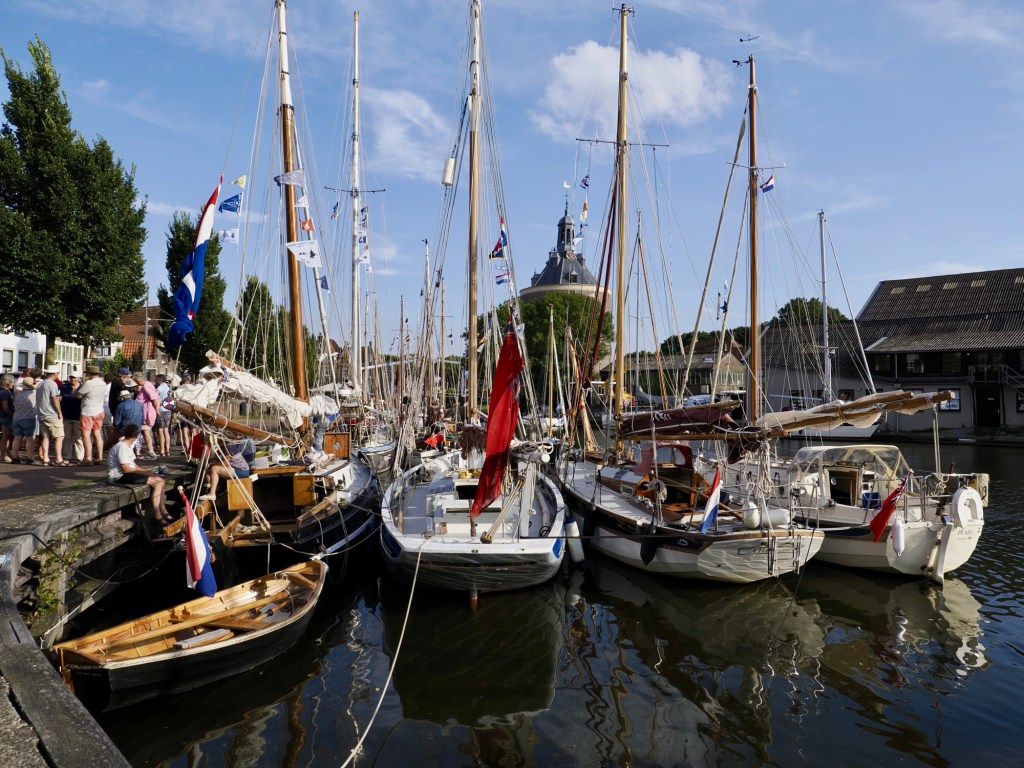
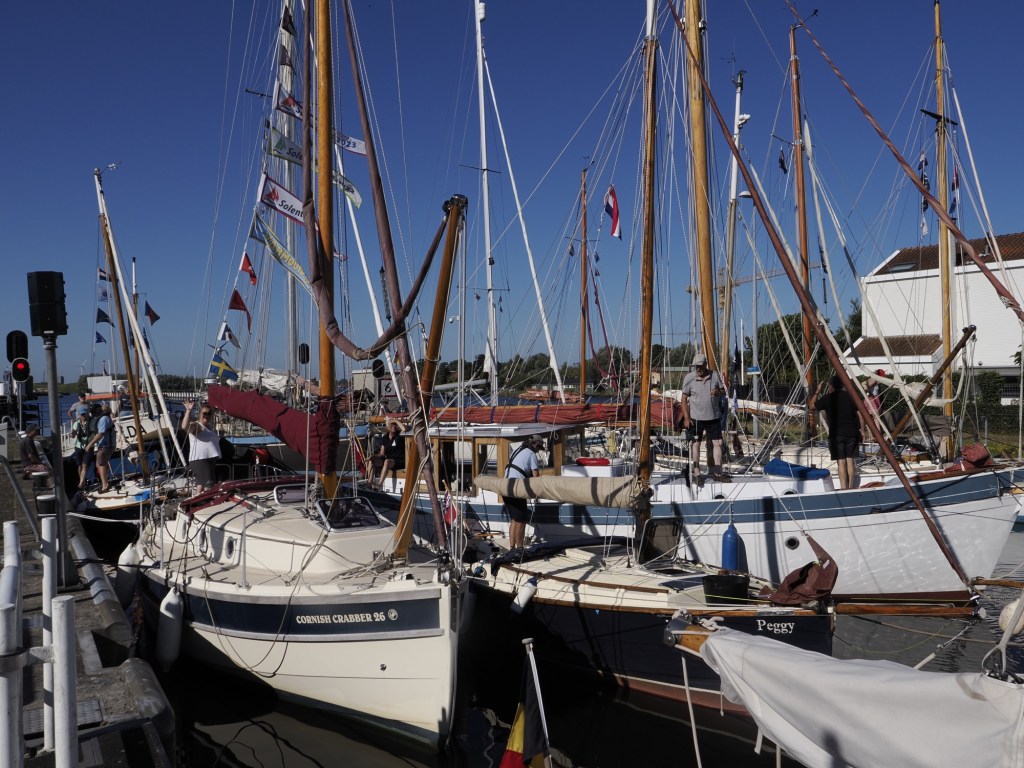
The fleet in Hoorn